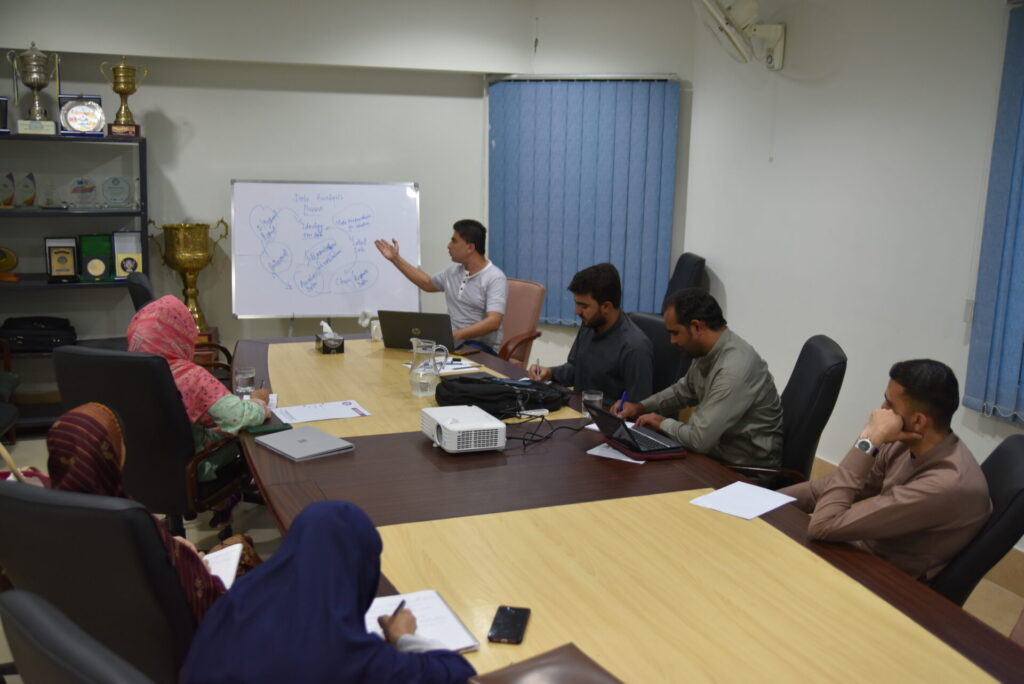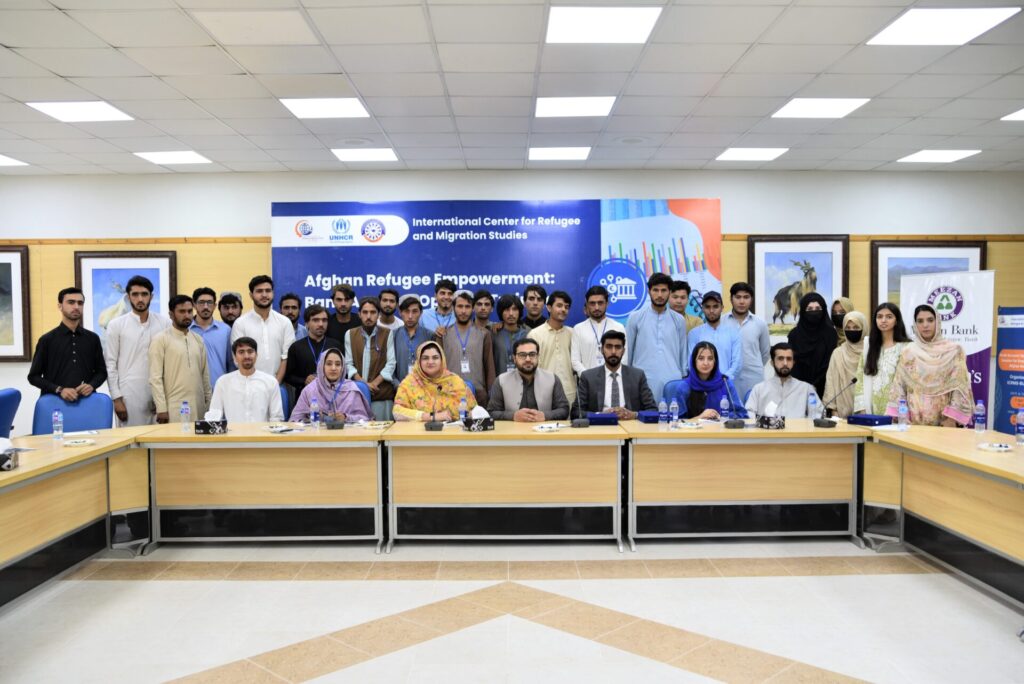
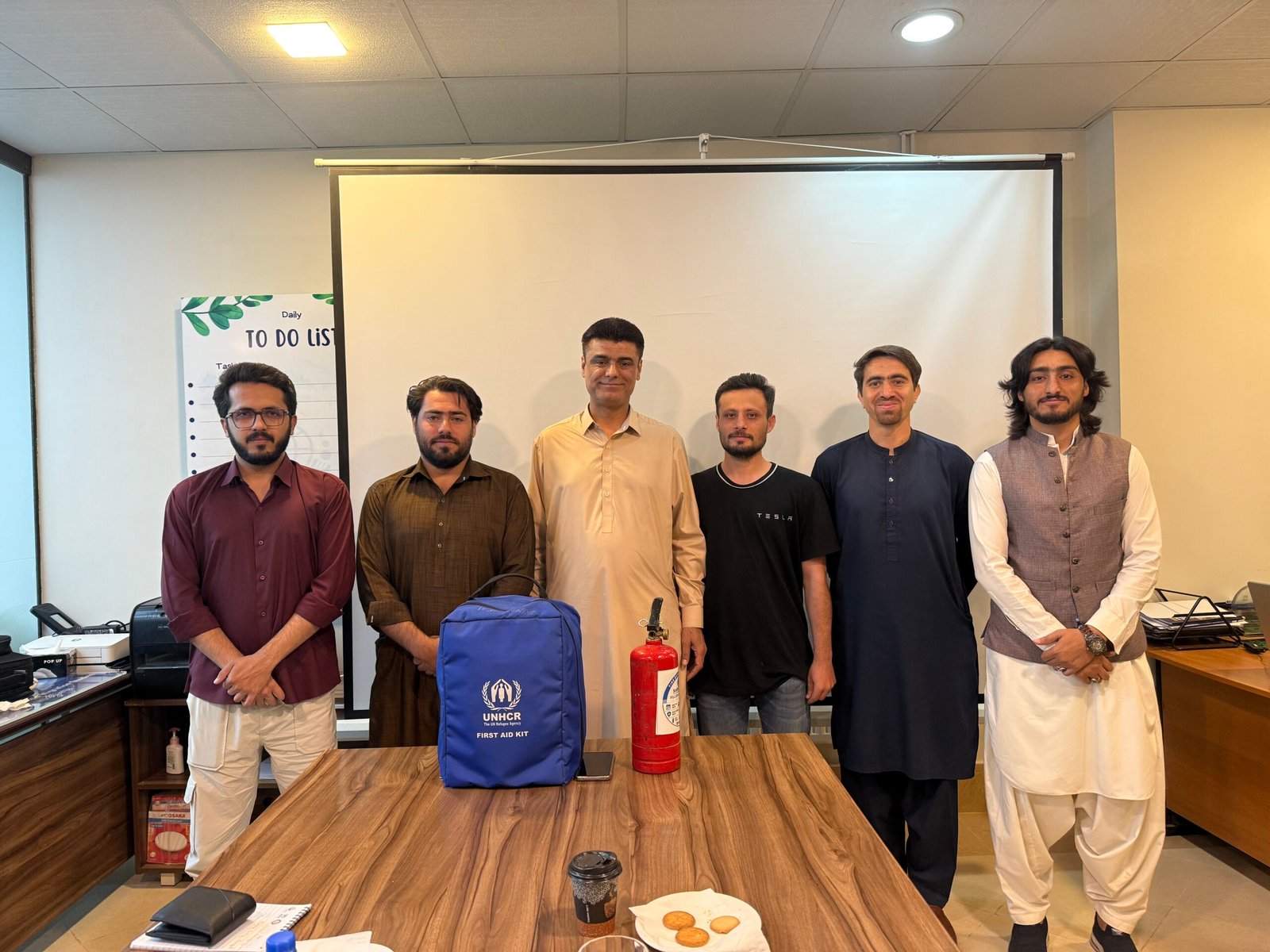
On 06 October 2026, the International Centre for Refugee and Migration Studies (ICRMS), hosted a Safety and Security Awareness Session conducted by the UNHCR Sub-Office Quetta. The session was facilitated by Mr. Ghulam Muhammad Bughio, Senior Field Security Associate, UNHCR Sub-Office Quetta, and focused on strengthening awareness, preparedness, and understanding of key safety and security measures.
The session aimed to strengthen staff awareness of potential security threats, promote safe working practices, and enhance institutional capacity to prevent and respond effectively to emergencies. It covered security risk awareness, humanitarian principles, fire safety, road safety, incident reporting, cardiopulmonary resuscitation (CPR), basic first aid, automated external defibrillators (AEDs), and emergency communication. The session commenced with a round of introductions, followed by a briefing on ICRMS by Mr. Muhammad Kazim, Liaison Officer, ICRMS. He introduced the center and provided an overview of its establishment, mandate, core values, and key activities.
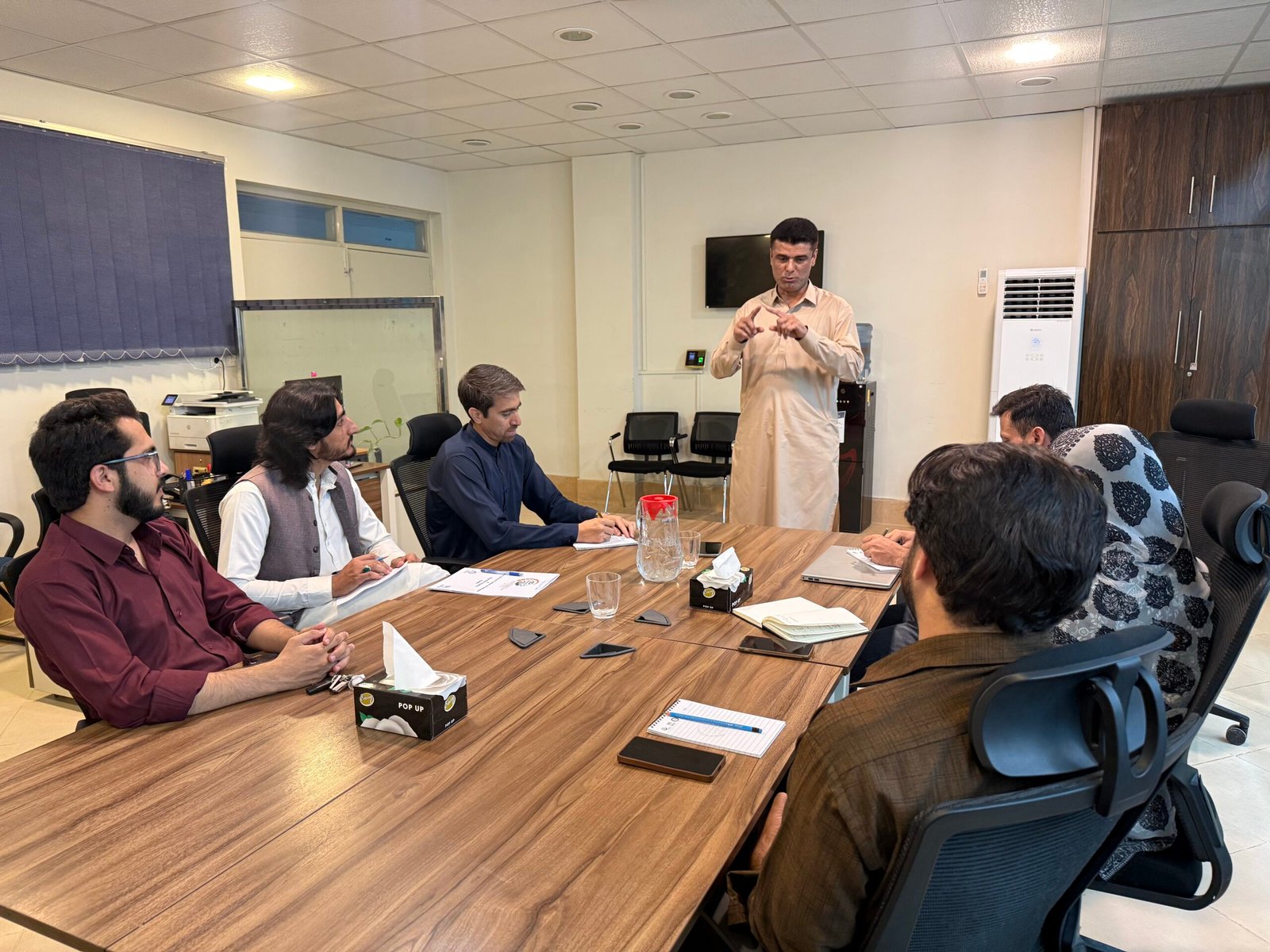
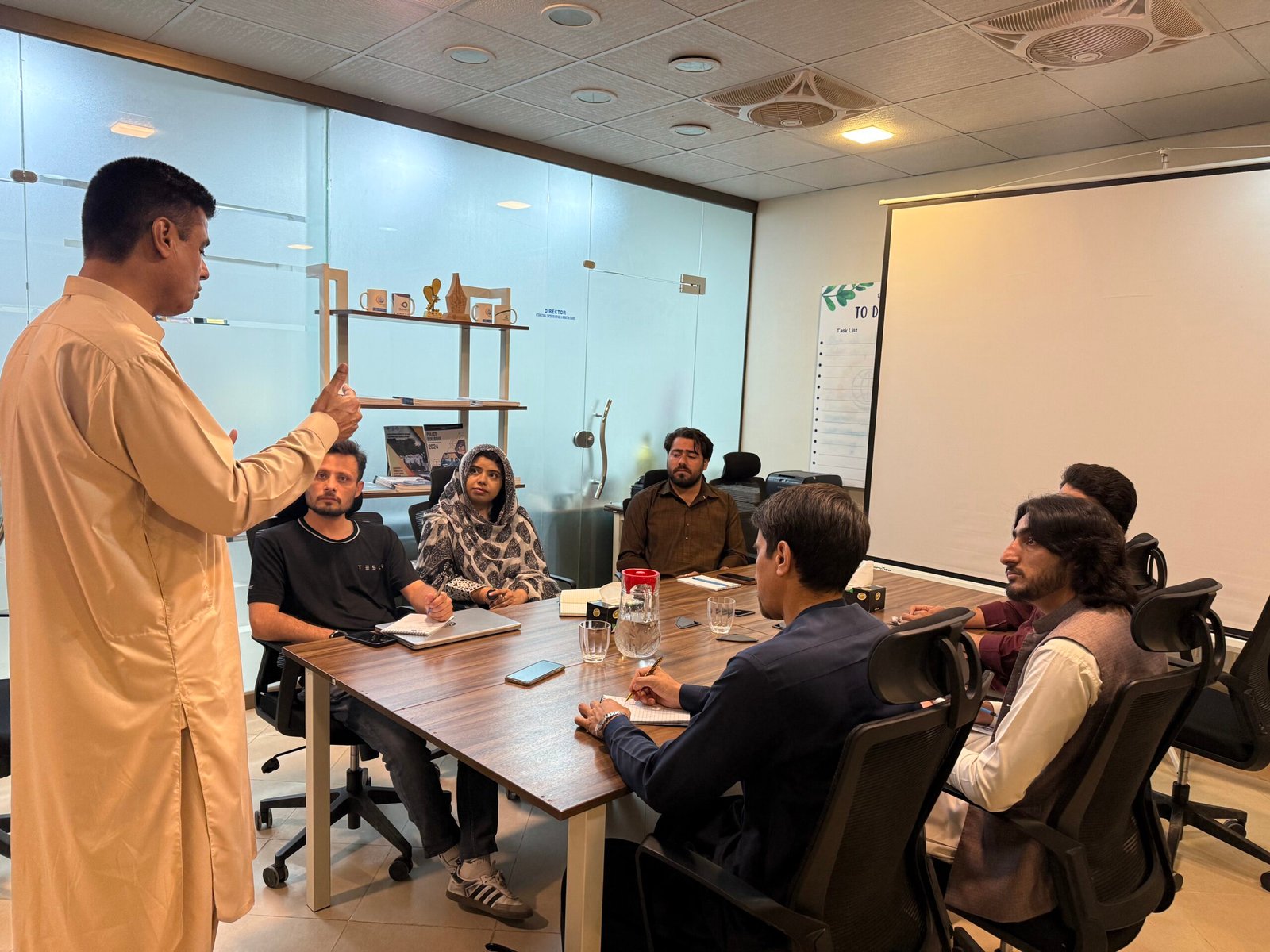
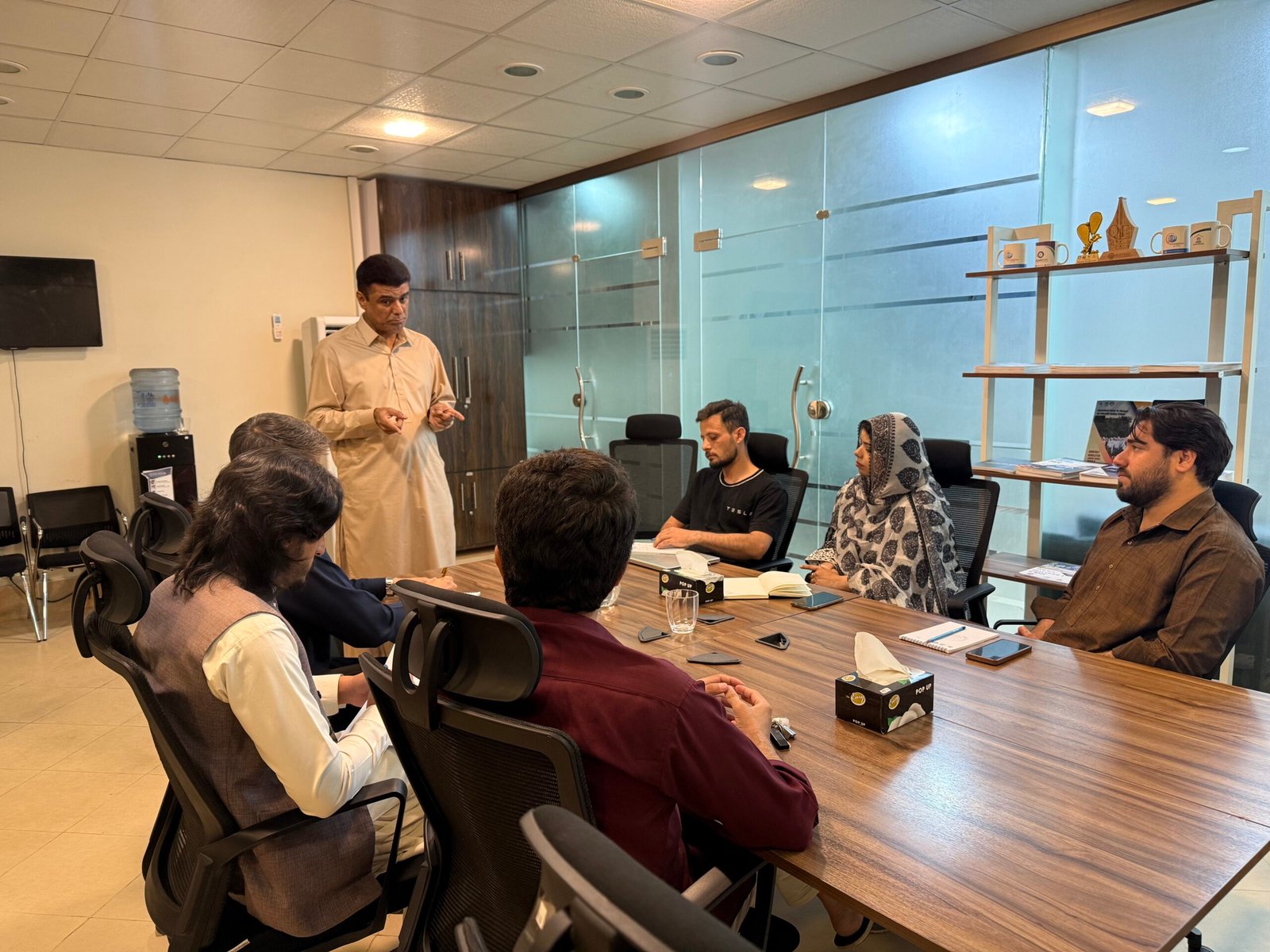
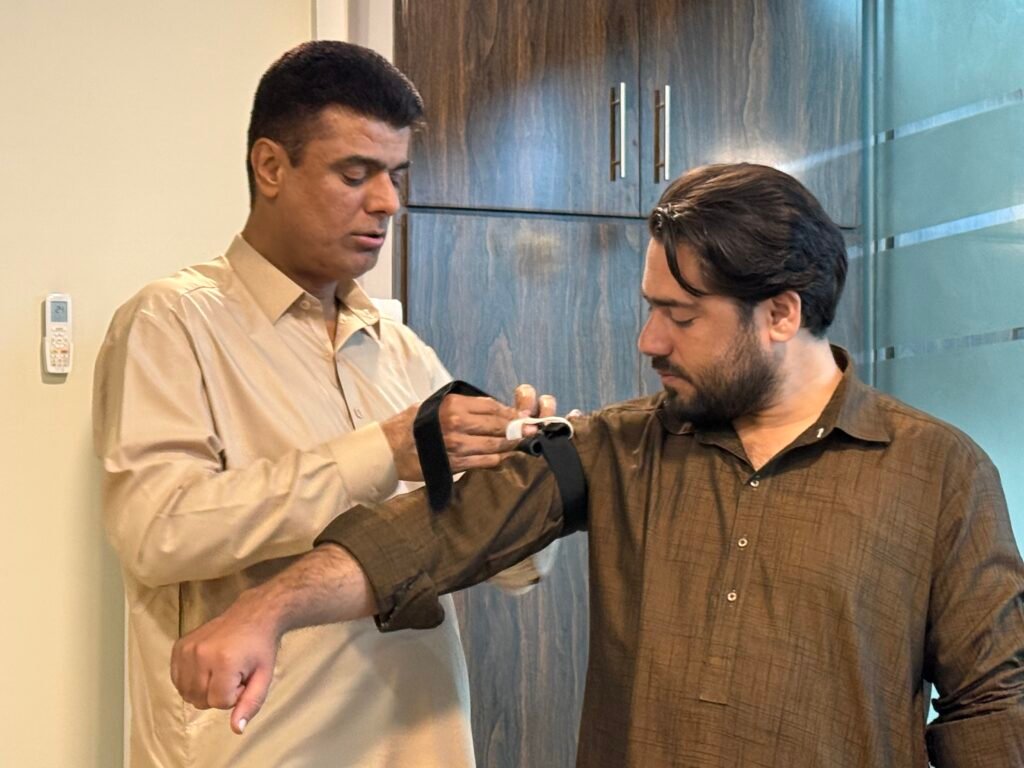
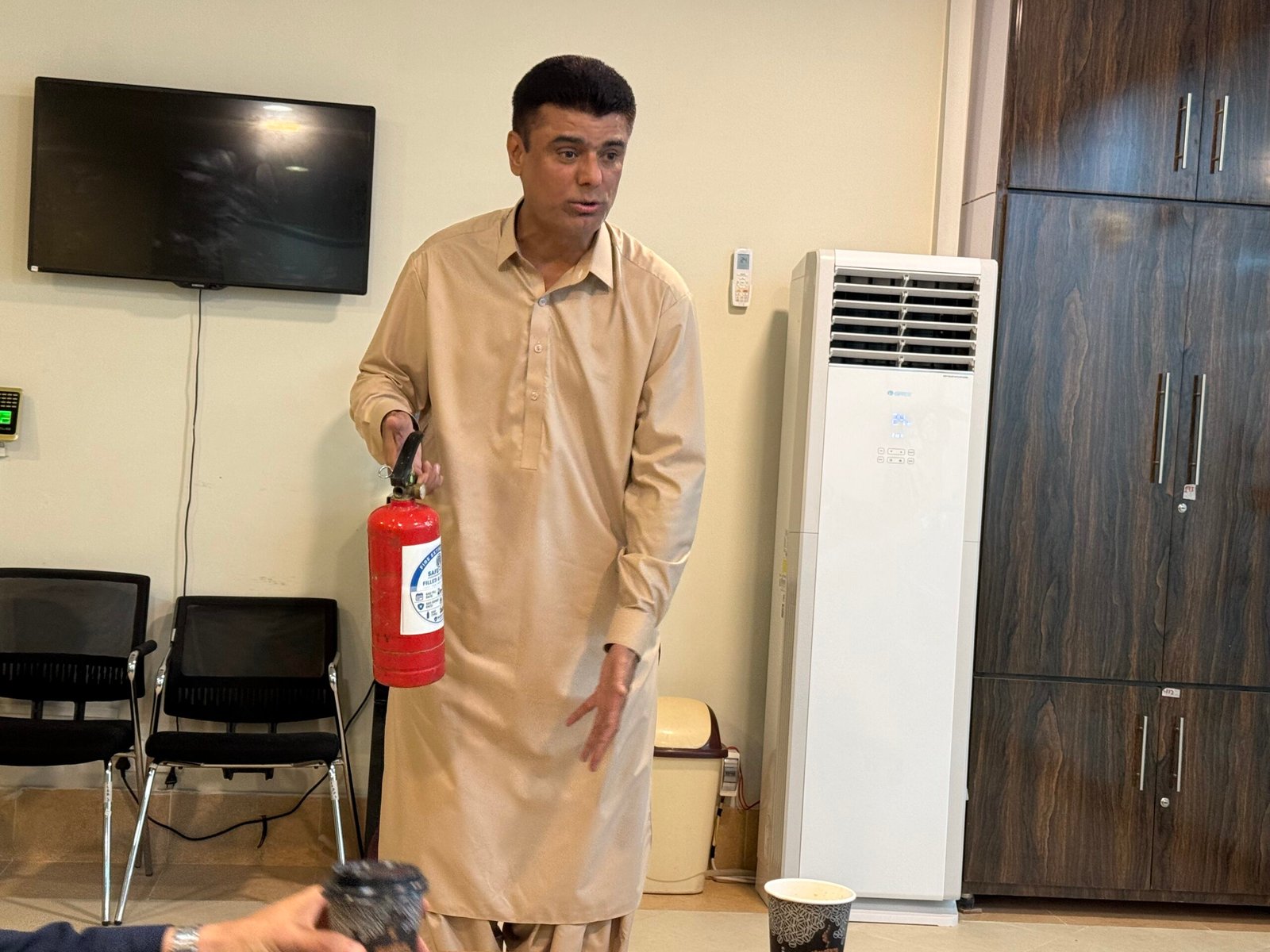
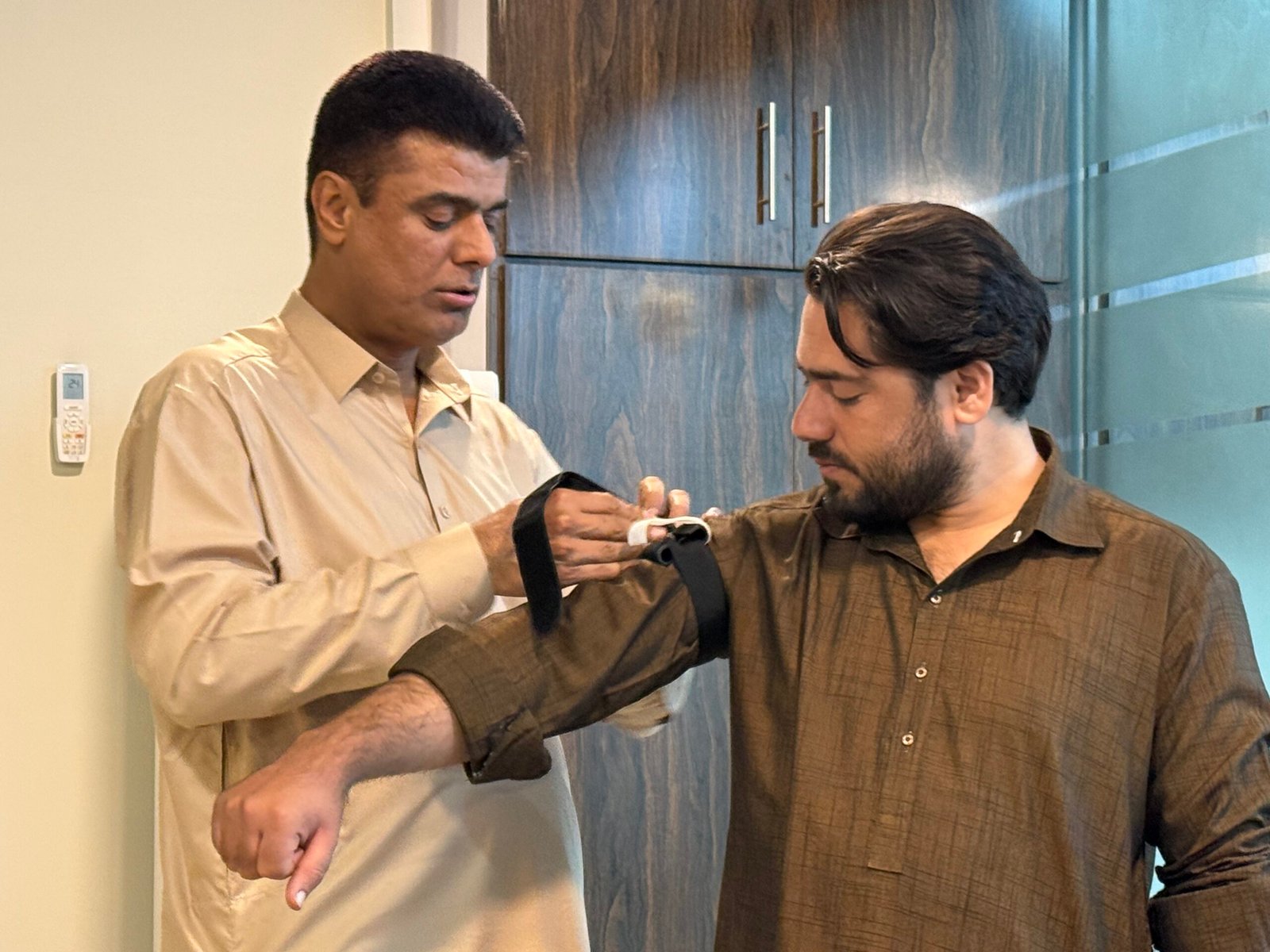
The session covered key topics, including security risk awareness, humanitarian principles, fire prevention, road safety, incident reporting, first aid, CPR, AED use, and emergency communication and coordination. The facilitator discussed potential security risks arising from armed conflicts and clashes between armed groups, emphasizing situational awareness, early warning signs, risk assessment, and adherence to security instructions, particularly during field activities and official travel. The session also highlighted the four fundamental humanitarian principles: humanity, neutrality, impartiality, and independence, emphasizing their importance in ensuring ethical and effective humanitarian assistance to refugees, displaced populations, and vulnerable communities. Participants received guidance on fire prevention, emergency evacuation procedures, and road safety measures, including compliance with traffic regulations, vehicle inspections, route planning, and communication of travel arrangements. The facilitator introduced the 5Ws method of incident reporting (Who, What, When, Where, and Why), emphasizing the importance of accurate, factual, and timely reporting to support effective risk assessment and response. A practical segment focused on basic first aid, Cardiopulmonary Resuscitation (CPR), and Automated External Defibrillator (AED) awareness. Participants were introduced to essential emergency response measures and the importance of seeking professional medical assistance. The session further emphasized clear emergency communication, established reporting channels, accessible emergency contacts, and coordination among relevant personnel during emergencies.
The Safety and Security Awareness Session strengthened staff understanding of workplace safety, humanitarian principles, incident reporting, and emergency preparedness. The session emphasized the importance of following safety procedures, communicating risks promptly, and promoting a culture of preparedness to protect staff members and support the effective implementation of ICRMS activities.
Reported by Muhammad Asif
Reporting Associate