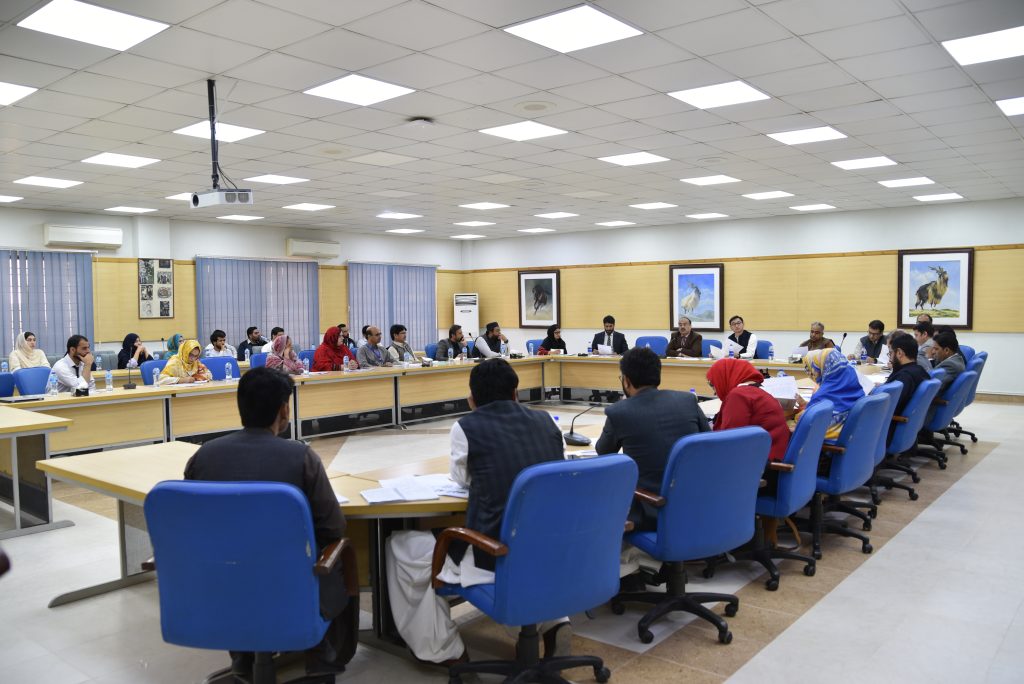
On 24 September 2026, the International Centre for Refugee and Migration Studies (ICRMS), BUITEMS, in collaboration with the Department of International Relations, BUITEMS, organized its Third Public Lecture on “Forced Displacement in the 21st Century: Humanitarian Challenges and Their Impact on Marginalized and Vulnerable Communities” at the CPEC Center of Excellence, BUITEMS, Takatu Campus, Quetta.
The session was moderated by Mr. Muhammad Kazim, Liaison Officer, ICRMS. The event formally commenced with the recitation of the Holy Quran, followed by a brief introductory video highlighting the vision, objectives, and activities of ICRMS.
The guest speaker for the session was Mr. Aurangzaib Alizai, Assistant Professor, Department of Gender and Development Studies, Faculty of Education and Humanities, University of Balochistan, Quetta, Balochistan, Pakistan.
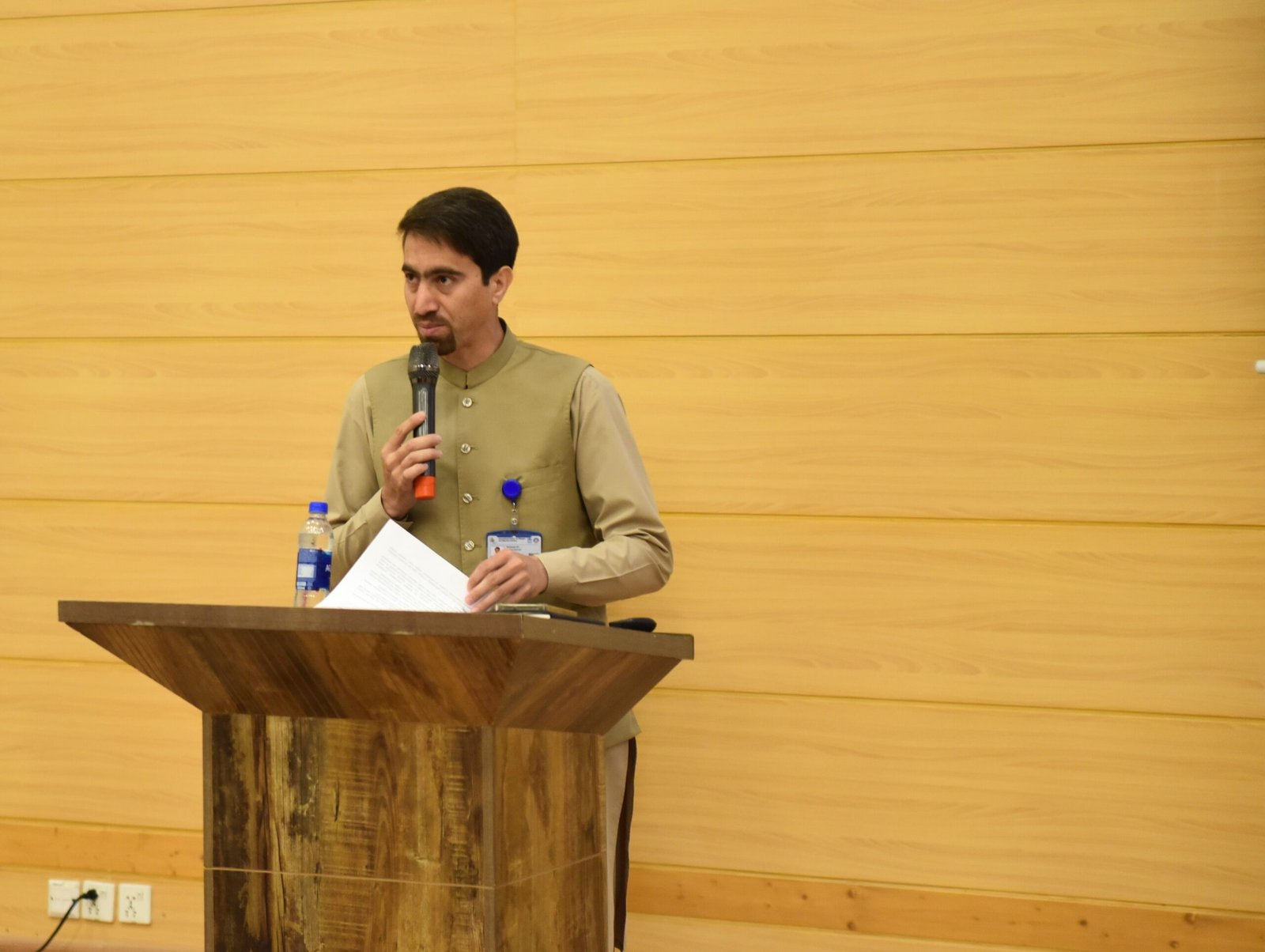
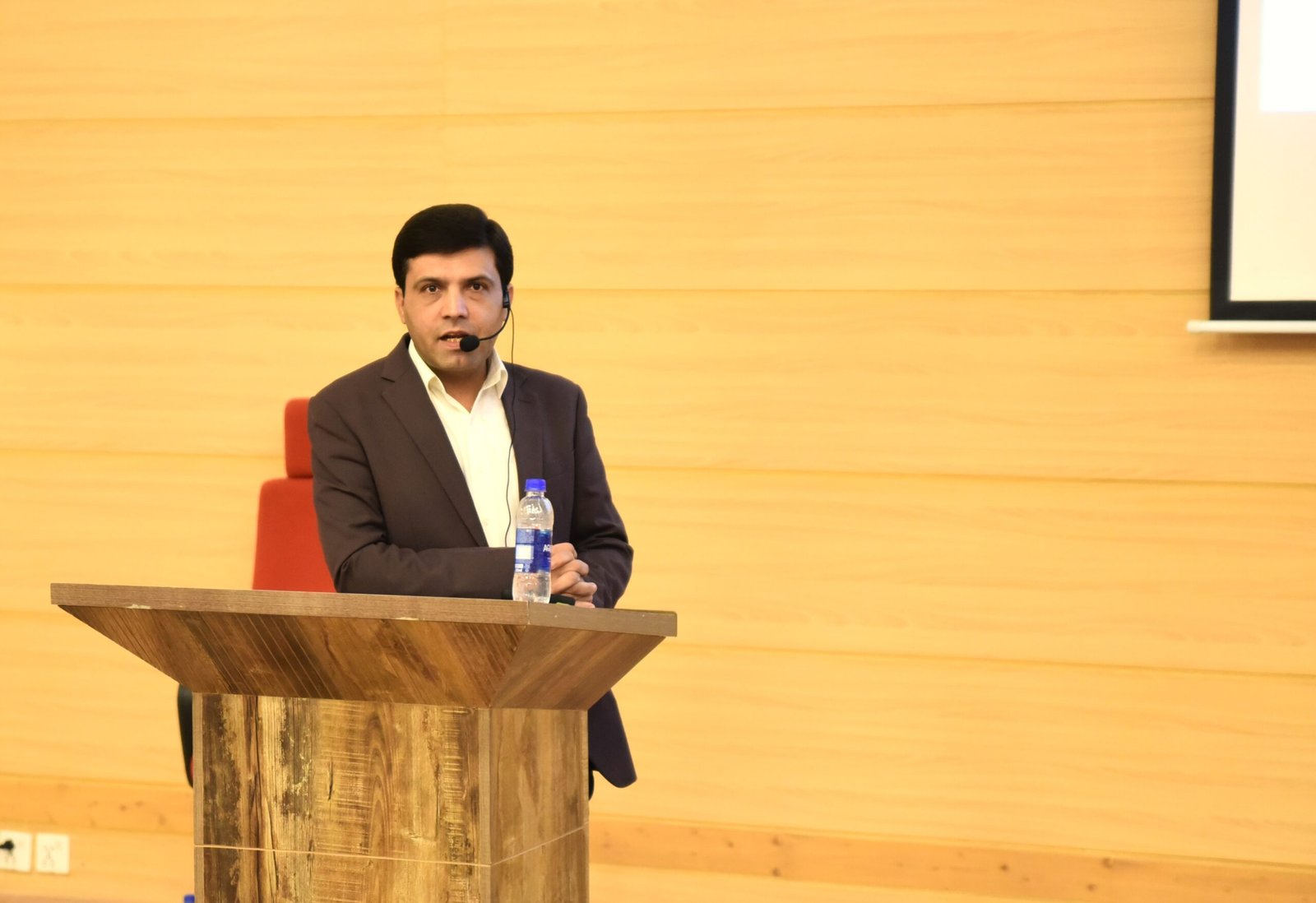
Mr. Aurangzaib Alizai delivered a comprehensive presentation on “Forced Displacement in the 21st Century: Humanitarian Challenges and Their Impact on Marginalized and Vulnerable Communities.” He discussed the growing scale of forced displacement worldwide, its major causes, and its humanitarian, social, and economic consequences.
The presentation highlighted that 117.8 million people were forcibly displaced worldwide at the end of 2025, including refugees, internally displaced persons (IDPs), and asylum-seekers. The speaker explained that armed conflict, persecution, human rights violations, climate-related disasters, poverty, and state fragility are among the major drivers of forced displacement.
Particular emphasis was placed on the impact of displacement on vulnerable and marginalized groups, including women and girls, children, persons with disabilities, older persons, ethnic and religious minorities, and stateless persons. The presentation discussed issues such as gender-based violence, disruption of education and livelihoods, limited access to essential services, and protection challenges faced by displaced populations.
The speaker further highlighted major challenges within the humanitarian response system, including underfunding, prolonged displacement, limited legal protection for internally displaced persons, climate-related displacement, and increasing pressure on host communities. He emphasized the need for comprehensive and sustainable approaches to address the complex needs of displaced populations.
The presentation concluded by highlighting the importance of sustainable solutions, including safe and dignified return, local integration, resettlement, stronger protection mechanisms, support for host communities, and enhanced international cooperation.
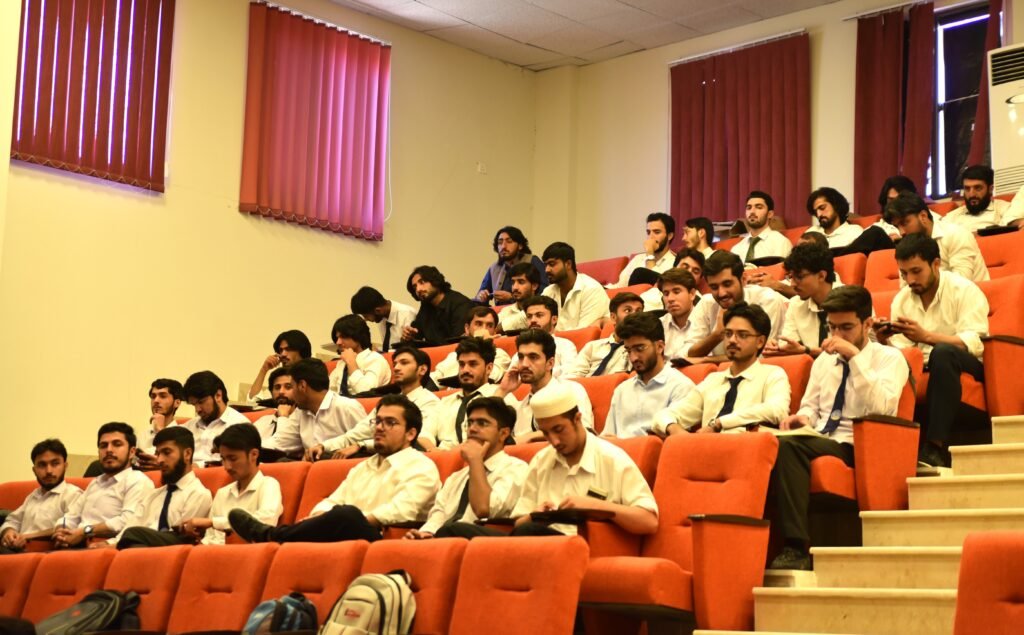
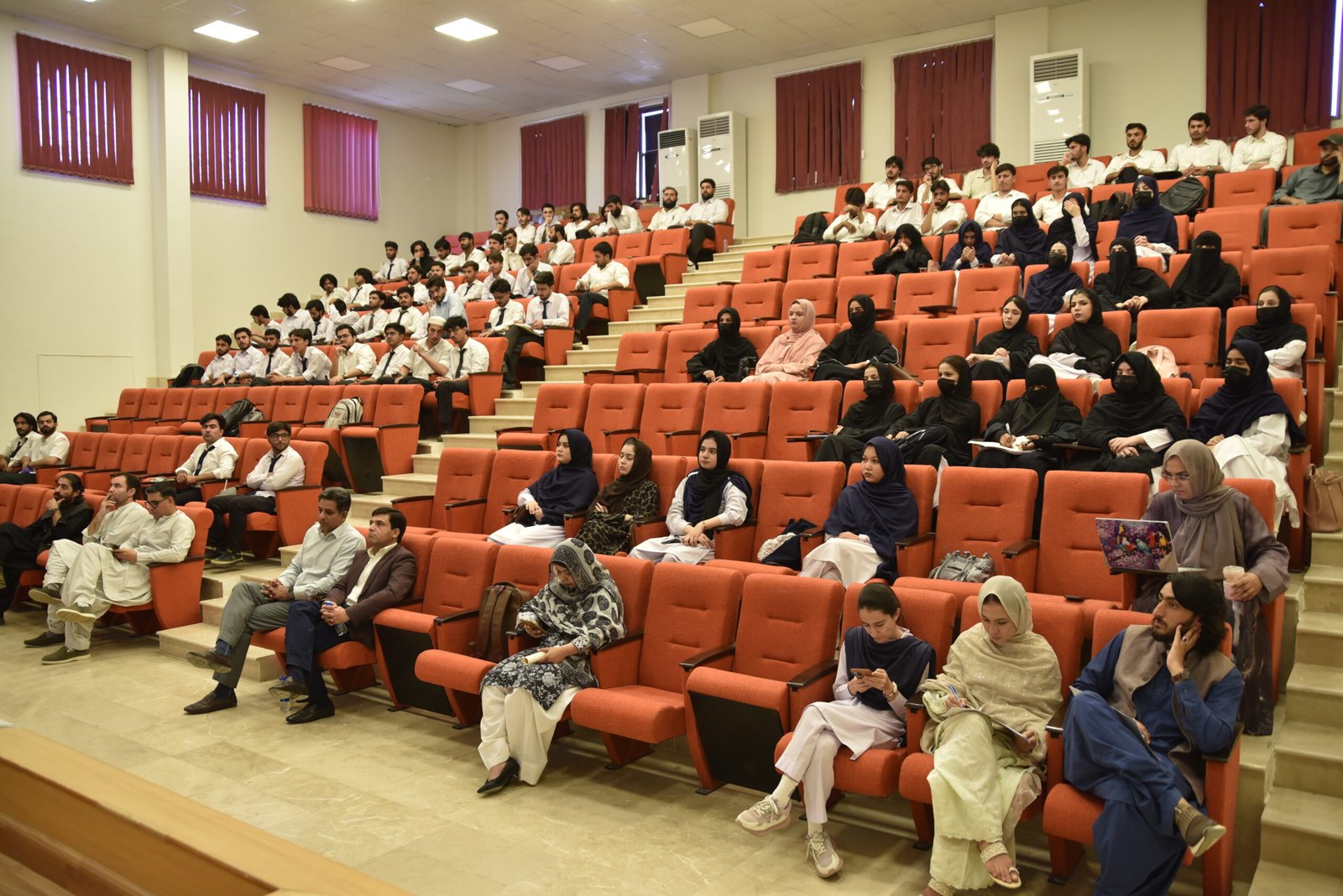
Following the presentation, an interactive Question-and-Answer (Q&A) session was conducted, in which both male and female students participated actively. The discussion was characterized by keen engagement and thoughtful inquiry.
Participants raised questions on a broad range of themes, including the causes and consequences of forced displacement, humanitarian challenges, and measures required to protect vulnerable and marginalized communities.
Further questions addressed climate-induced displacement, the rights and legal status of refugees and internally displaced persons (IDPs), and the role of national and international organizations in responding to displacement-related challenges.
The session reflected the participants’ genuine interest in the subject and contributed to a deeper collective understanding of the humanitarian, legal, social, and policy dimensions of forced displacement.
The session concluded with closing remarks by Prof. Dr. Zahid Rauf, Director, International Centre for Refugee and Migration Studies (ICRMS), BUITEMS.
Prof. Dr. Zahid Rauf expressed his sincere appreciation to Ms. Tahira Awan, Senior Protection Assistant, UNHCR, for her valuable participation and contribution to the session. He also thanked Dr. Hidayat Ullah, Associate Professor and In-Charge Chairperson, Department of International Relations, Faculty of Social Sciences and Humanities; Mr. Aurangzaib Alizai, Guest Speaker; and all participating students for their active engagement and thoughtful questions during the session.
Prof. Dr. Zahid Rauf emphasized the importance of developing practical and professional skills among refugee students and youth. He highlighted that acquiring relevant skills and knowledge can help refugees become more self-reliant and better prepared to contribute to their communities and livelihoods when they return to their home countries.
He further briefed the participants about the role and activities of ICRMS, highlighting its efforts in research, advocacy, policy dialogue, and capacity-building related to refugees, migration, and displacement.
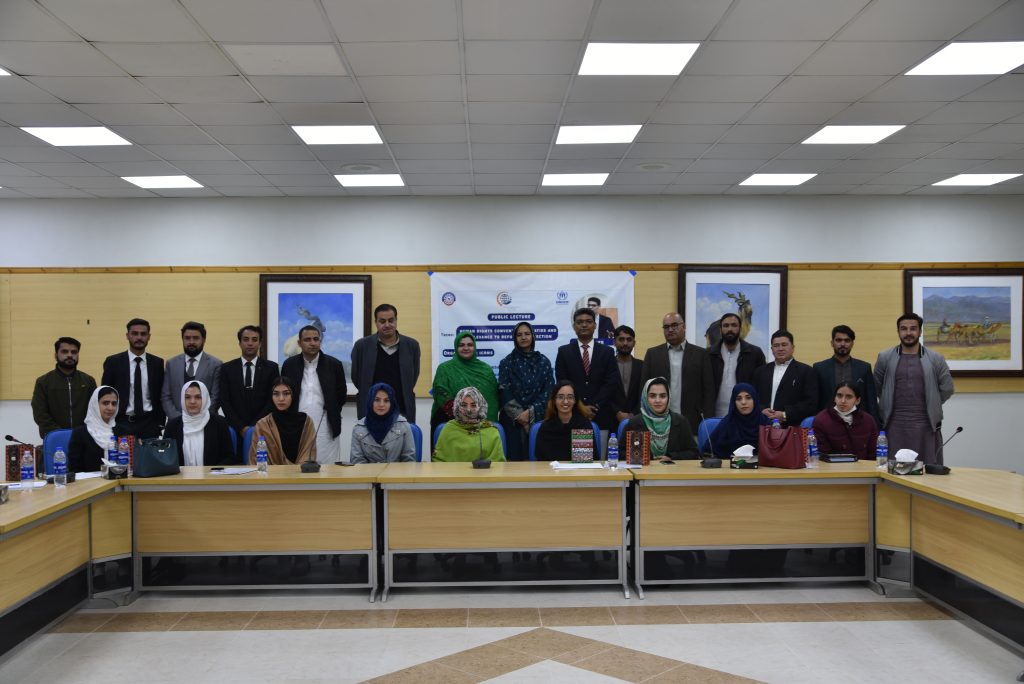
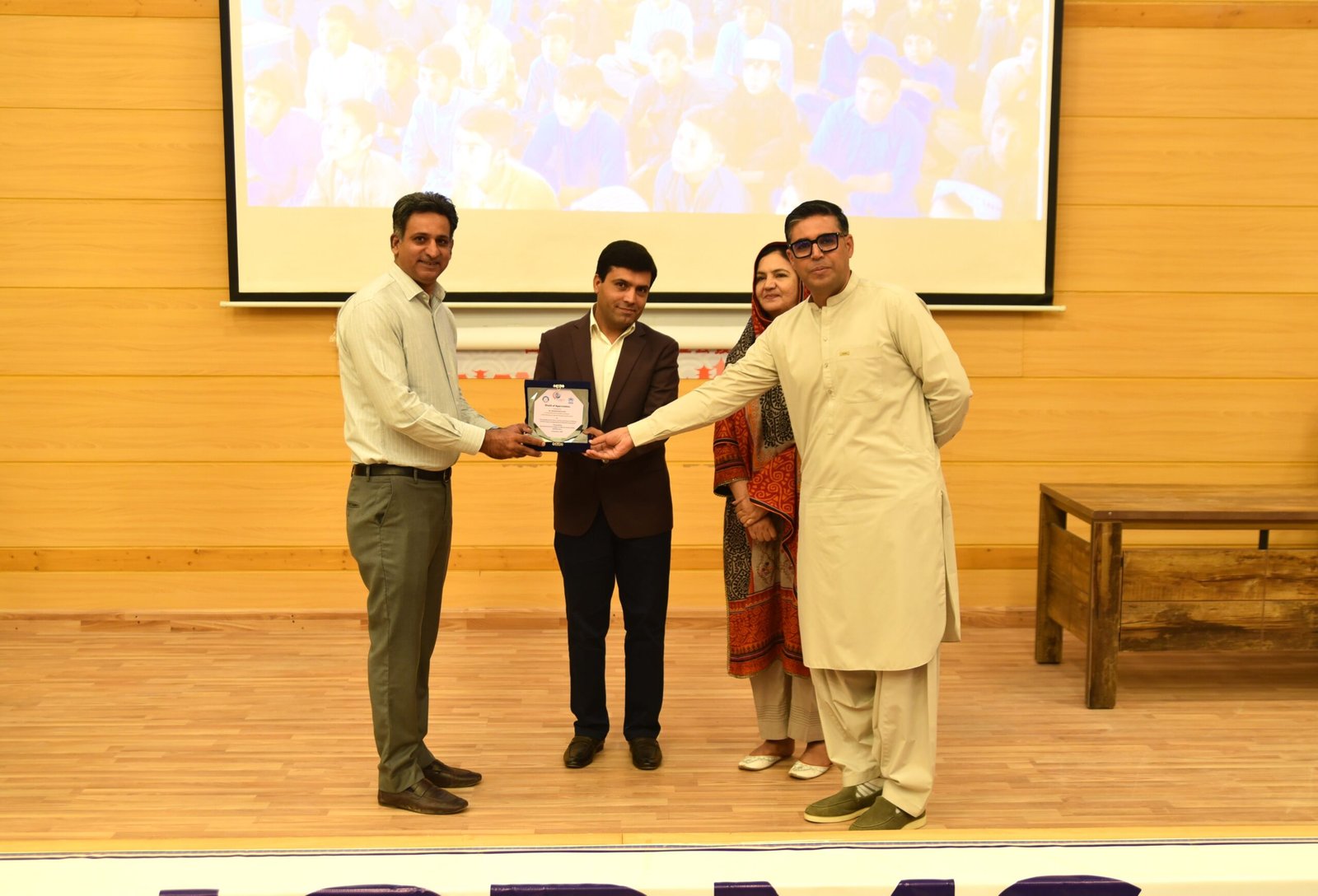
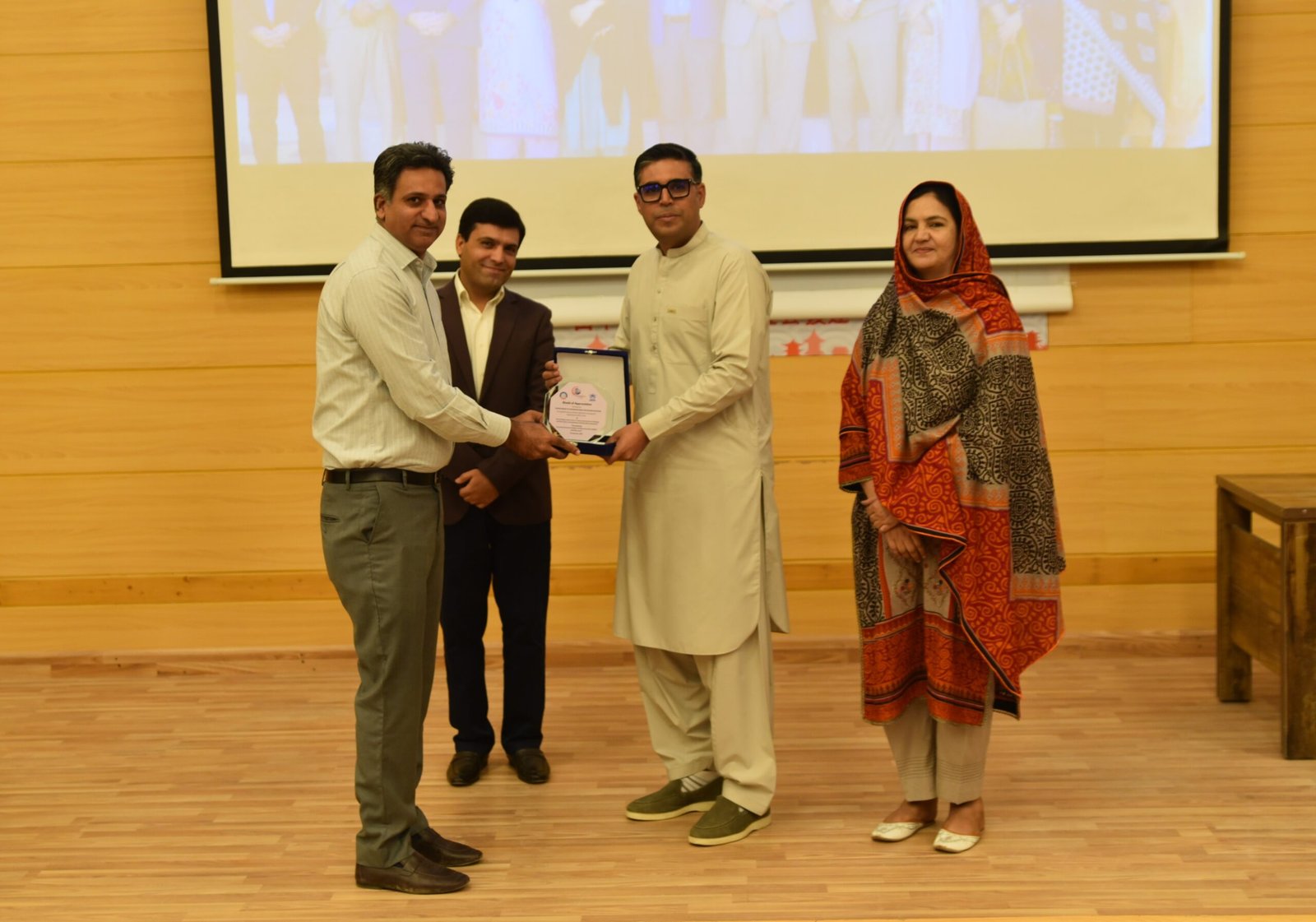
At the conclusion of the session, Prof. Dr. Zahid Rauf presented commemorative shields to Mr. Aurangzaib Alizai, Guest Speaker, and Dr. Hidayat Ullah, Associate Professor & Incharge Chairperson, Department of International Relations, Faculty of Social Sciences and Humanities, in recognition of their valuable contributions and support. A group photograph was subsequently taken with the guest speaker, faculty members, organizers, and participating students.
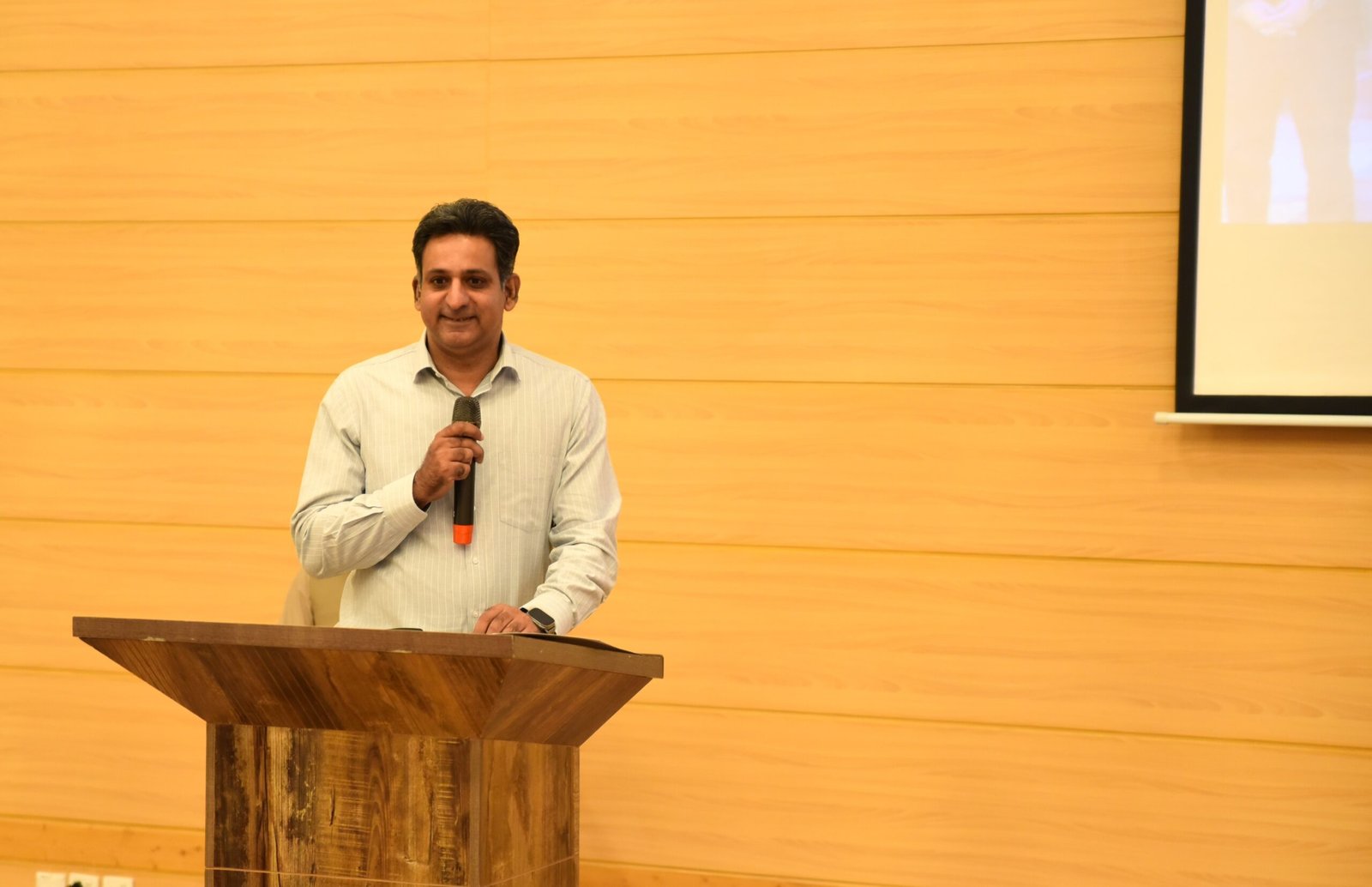
The lecture was attended by 117 participants, including 76 males and 41 females, reflecting strong engagement with the topic. The session provided a valuable platform for academic interaction and enhanced awareness of refugee, migration, and displacement-related issues. The event concluded successfully with appreciation to all speakers, faculty members, organizers, and participants for their valuable contributions and active engagement.
Reported by Muhammad Asif
Reporting Associate