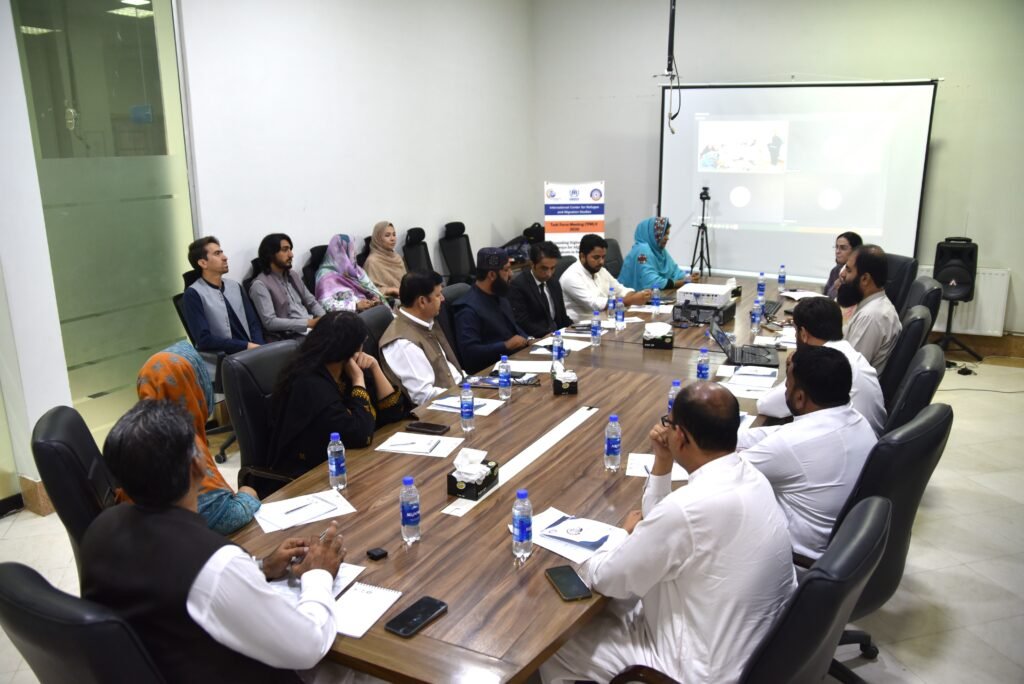
On 18 September 2026, the International Center for Refugee and Migration Studies (ICRMS), BUITEMS, convened the Second Provincial Task Force Meeting of 2026 to strengthen institutional coordination and advance higher education pathways for refugee students in Balochistan.
The meeting brought together representatives from BUITEMS, the University of Balochistan (UoB), the University of Loralai (UoL), Sardar Bahadur Khan Women’s University (SBKWU), Commissionerate for Afghan Refugees (CAR), United Nations High Commissioner for Refugees (UNHCR), Inspire Pakistan, legal and protection stakeholders from SEHER, and enrolled refugee students.
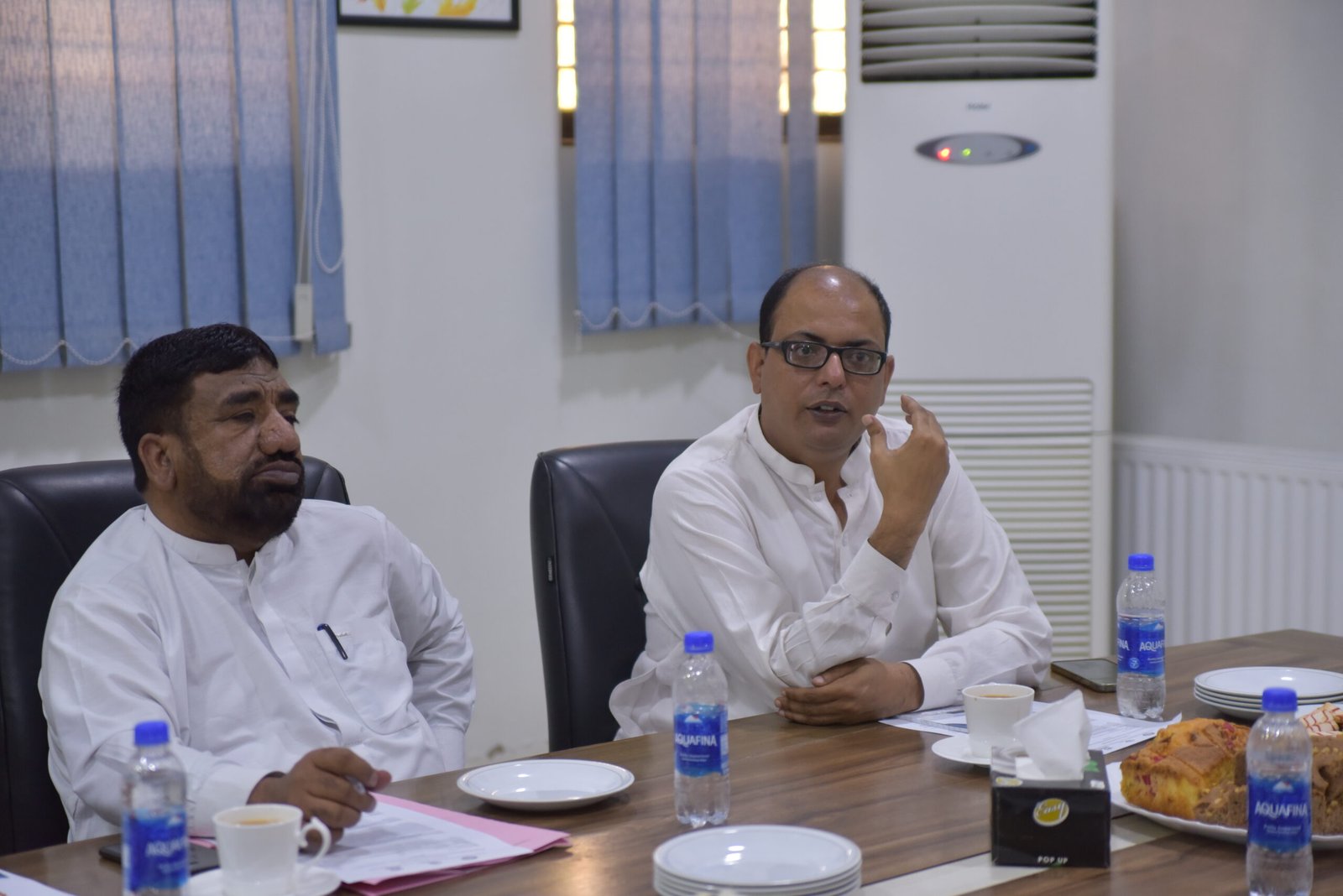
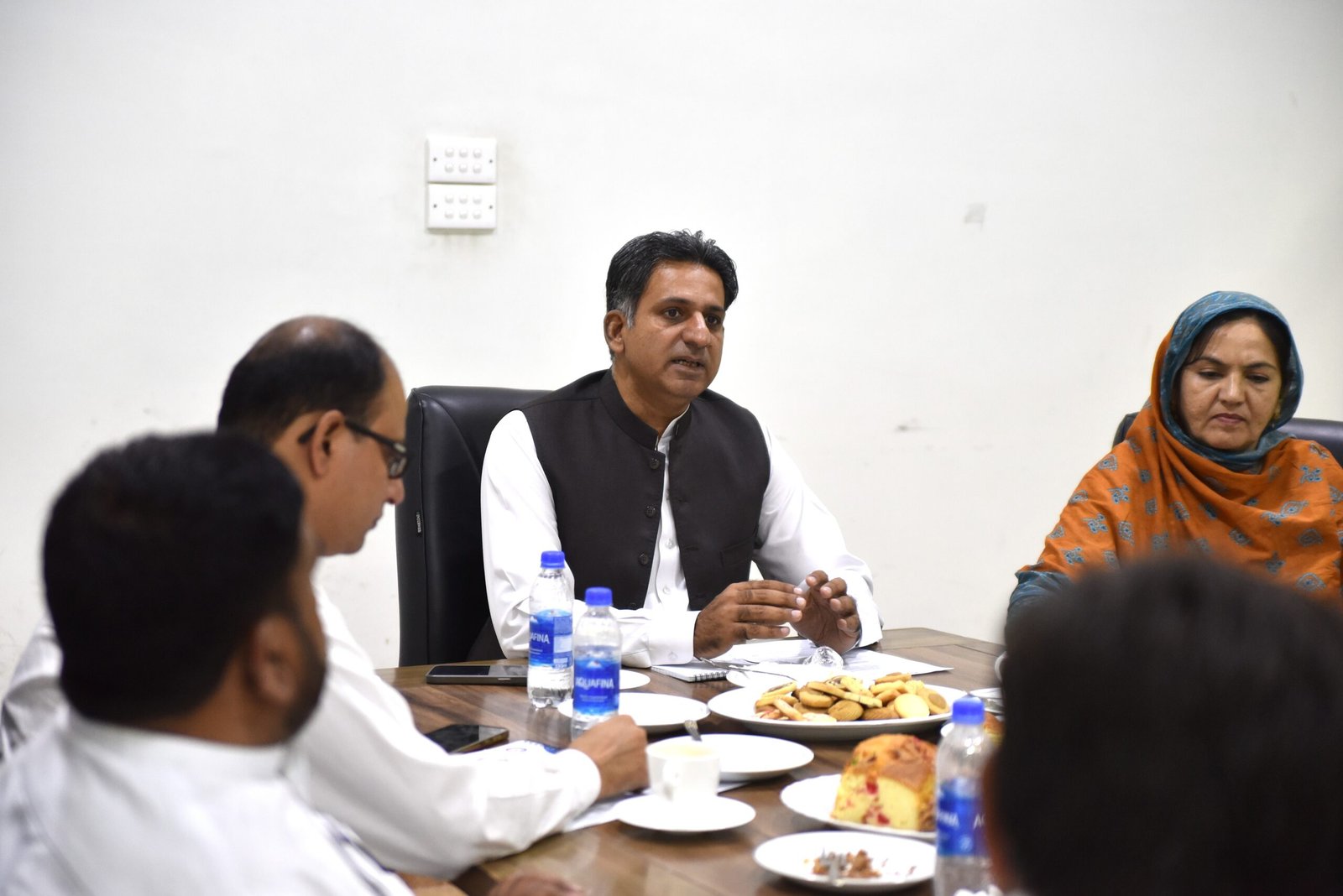
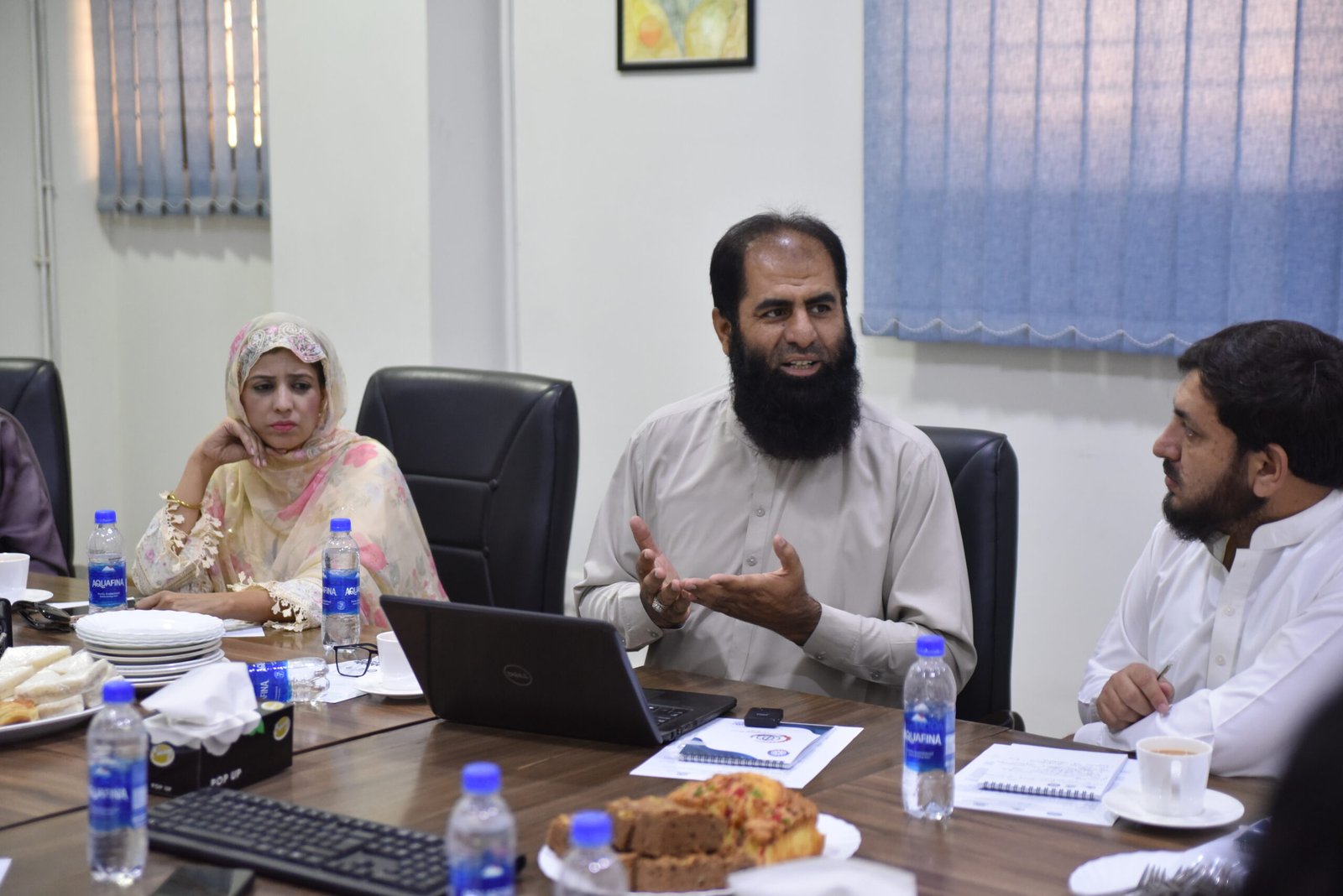
The meeting focused on reviewing progress against the recommendations of the First Task Force Meeting of 2026, identifying emerging academic, legal, documentation, and socio-psychological challenges, and discussing practical mechanisms to support the academic continuity and educational rights of enrolled refugee students.
The key objectives of the meeting were to:
- Review progress on the recommendations of the First Task Force Meeting of 2026.
- Strengthen coordination among higher education institutions and relevant stakeholders.
- Identify challenges faced by enrolled refugee students in Balochistan.
- Discuss mechanisms to ensure academic continuity for refugee students.
- Address legal, documentation, protection, and degree verification challenges.
- Explore institutional academic support and flexibility for students facing mobility or documentation-related constraints.
- Facilitate coordination between universities, HEC, UNHCR, ICRMS, Inspire Pakistan, CAR office and refugee students.
- Discuss pathways for improving access to higher education for refugee students.
Opening Session
The session commenced with the recitation of verses from the Holy Quran and a round of introductions. Dr. Zahid Rauf, Director, ICRMS, delivered the welcome remarks and highlighted the importance of sustained collaboration among stakeholders to address the higher education needs of refugee students. He emphasized the need to protect the academic progress of refugee students who are already enrolled in higher education institutions and briefed participants on the progress made since the Task Force meetings.
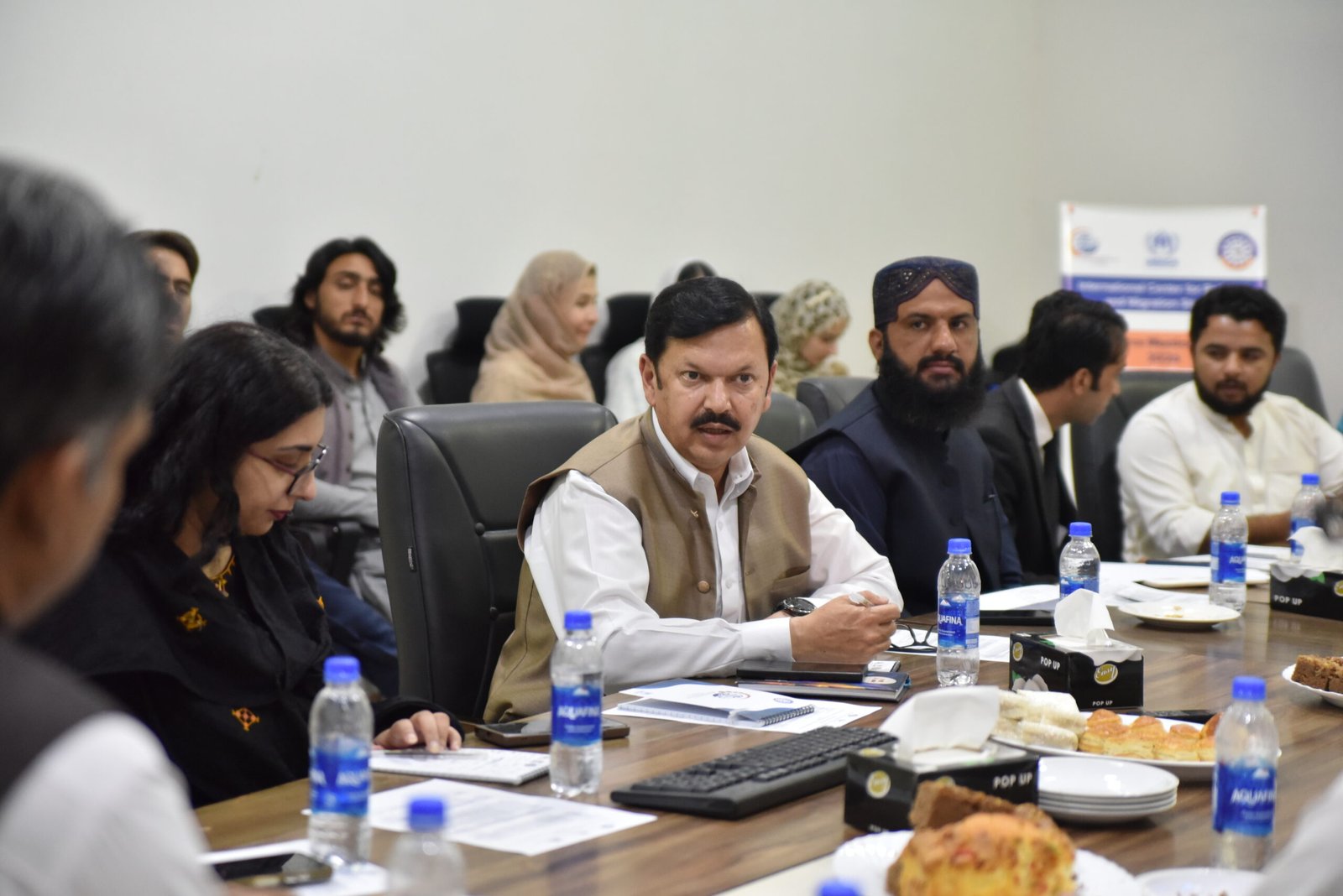
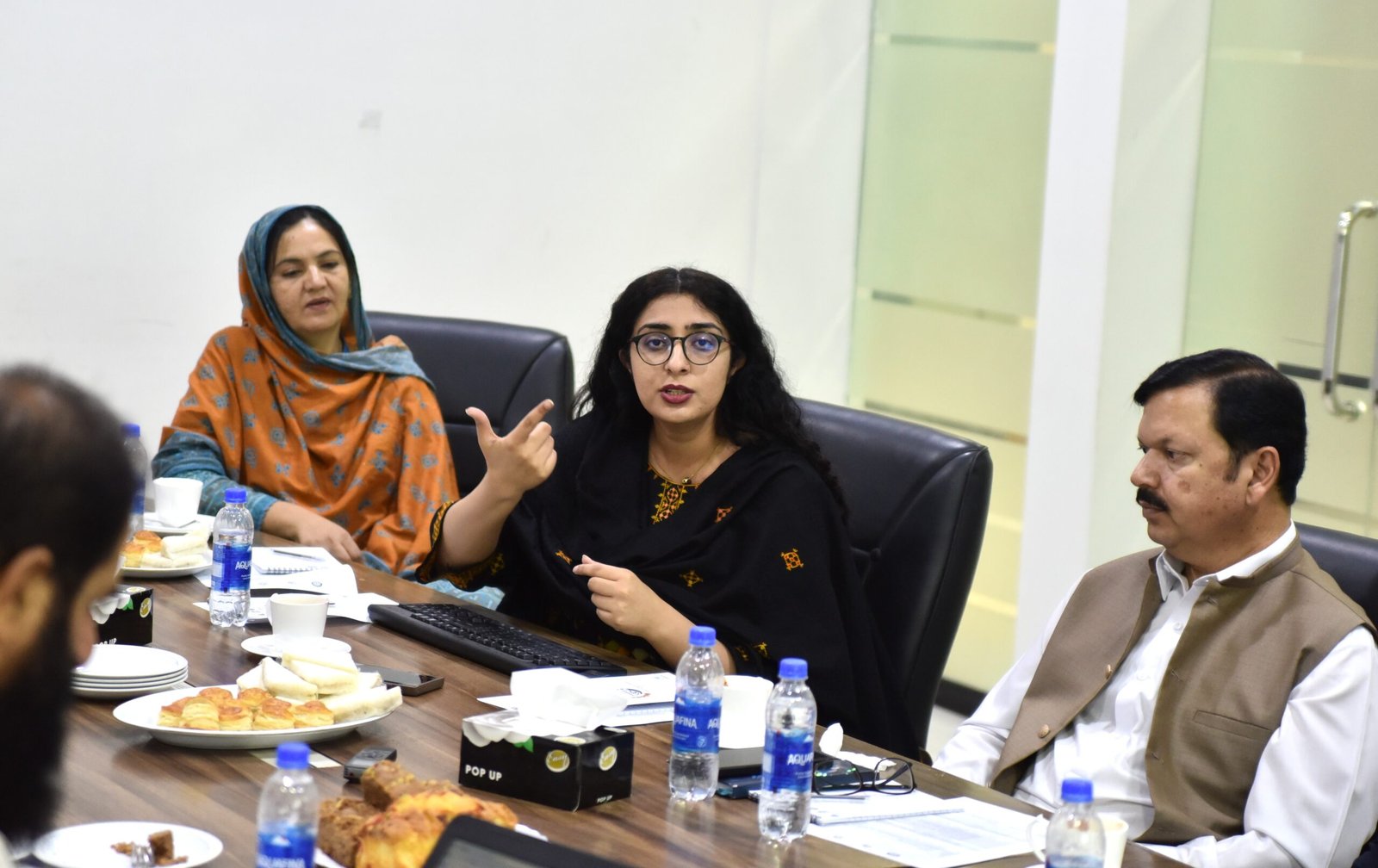
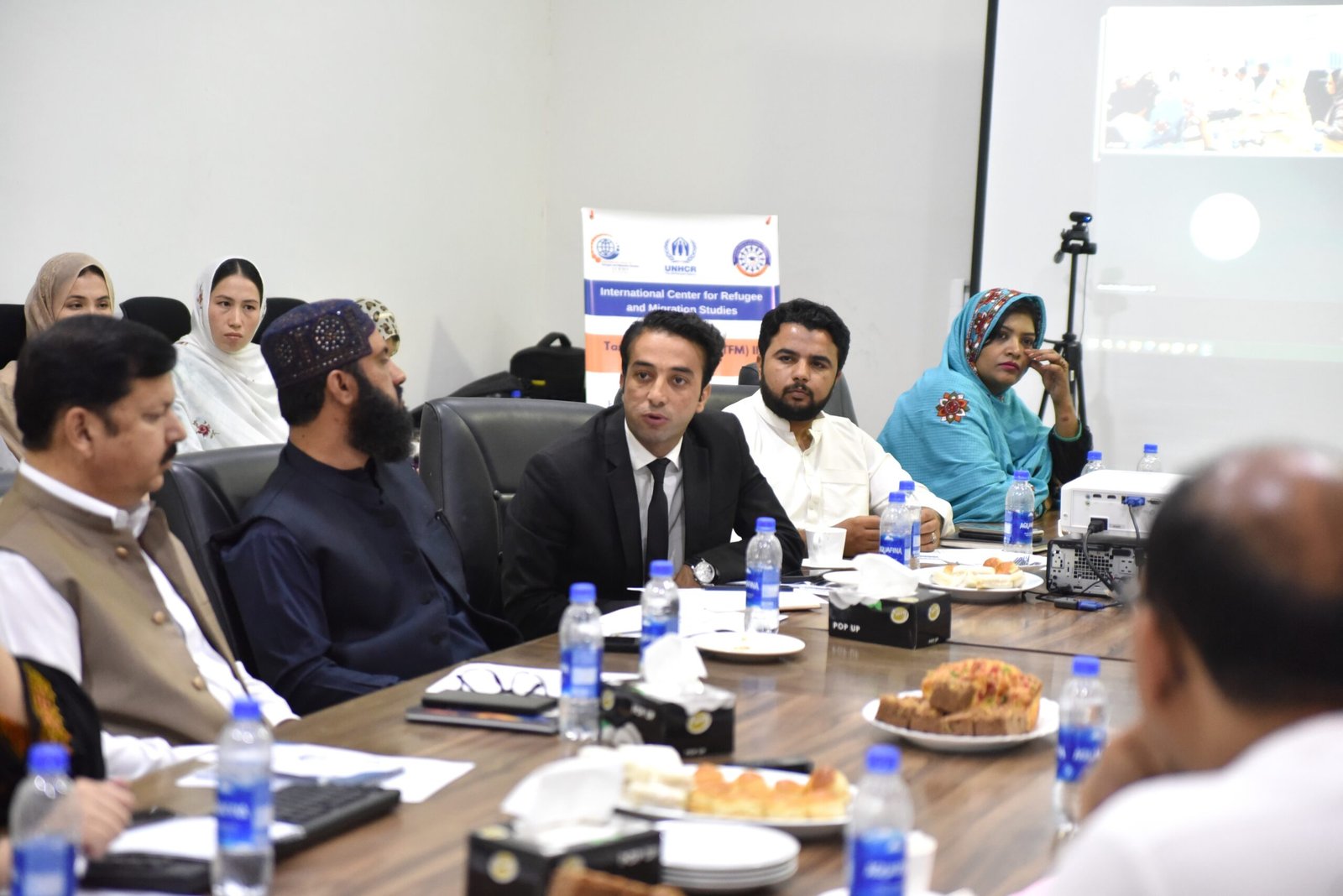
He further emphasized that the immediate priority is to ensure the academic continuity of currently enrolled refugee students, particularly in relation to mobility restrictions, attendance, missed coursework and examinations, assignment deadlines, and degree verification and attestation. He also noted that ICRMS continues to support refugee graduates facing documentation and attestation-related challenges.
Ms. Nafisa Nasar, Research Associate, ICRMS, presented an update on the Provincial Task Force Meeting II – 2026, focusing on expanding higher education pathways for refugee students enrolled in higher education institutions in Balochistan. She also presented updated enrollment data from higher education institutions in Balochistan, indicating a total of 110 enrolled refugee students across four partner universities, comprising 48 male and 62 female students. The presentation provided a basis for further discussion on addressing the challenges faced by enrolled students and strengthening institutional mechanisms to support their continued access to higher education.
Mr. Naseem Khaliq, Lecturer, Department of Political Science, University of Balochistan, and MPhil Scholar, presented the initial findings of his qualitative research on the higher education experiences of refugee students in Balochistan. Based on interviews with enrolled students, the research highlighted interconnected challenges related to documentation and admission, academic and language barriers, financial hardship, social exclusion, gender-related constraints, and psychological stress. The findings indicated that these barriers often reinforce one another, affecting students’ academic continuity, participation, and future aspirations.
The presentation proposed several measures to improve access to and continuity in higher education, including the establishment of refugee facilitation centers, conditional admission arrangements, academic bridging and language support, stronger coordination among universities, UNHCR, and relevant government authorities, and dedicated scholarship opportunities. The researcher emphasized the need for an integrated support framework covering the entire student journey, from admission and transition to academic persistence, graduation, and employment.
Ms. Anqa Gharshin, Positive and Transcultural Therapy Basic Consultant and Lecturer in the Department of Psychology, BUITEMS, delivered a presentation titled “Socio-Psychological Challenges Faced by Enrolled Refugee Students: Insights from Counselling Sessions and the Way Forward.” She highlighted key socio-psychological challenges faced by refugee students, including anxiety, depression, trauma, uncertainty, identity-related concerns, family separation, limited recreational opportunities, and inadequate access to counselling services. She emphasized the importance of culturally sensitive psychosocial support and recommended strengthening counselling services, recreational activities, and referral mechanisms.
Moderated session was held to discuss the challenges faced by refugee students from both institutional and student perspectives. University representatives and enrolled refugee students and DAFI Scholars from Islamabad, Peshawar, Lahore, and Karachi shared updates and experiences regarding academic continuity during IFRP Phase III. The discussion highlighted the importance of continued communication and coordination among students, universities, and relevant stakeholders.
A briefing by a Legal Advisor from SEHER focused on legal and protection concerns affecting refugee students, including documentation, mobility, and access to education. The session emphasized the importance of legal guidance, protection services, and appropriate referral mechanisms.
A dedicated discussion was held on institutional academic support mechanisms, focusing on coordination with university Deans and academic authorities to provide flexibility regarding attendance, examinations, coursework, and assignment deadlines. Participants emphasized the need for a harmonized approach among HEIs in Balochistan and continued coordination among universities, ICRMS, HEC, UNHCR, and other stakeholders to address individual and institutional challenges.
Key Recommendations and Way Forward
- Strengthen coordination between ICRMS and university Deans and relevant academic departments to address student-specific academic challenges.
- Facilitate appropriate academic flexibility, where institutionally permissible, for students affected by mobility restrictions and other documented circumstances.
- Continue engagement with HEC and universities regarding admission, documentation, fee structures, and academic continuity.
- Strengthen legal and protection referral mechanisms for students facing documentation or protection-related concerns.
- Promote access to psychosocial and counselling support for enrolled refugee students.
- Continue monitoring the implementation of recommendations from Task Force Meeting I and document progress against agreed actions.
- Explore practical and sustainable pathways for improving access to higher education for refugee students.
- Maintain regular coordination among universities, HEC, UNHCR, ICRMS, Inspire Pakistan, legal/protection actors, and refugee student representatives.
Closing Remarks
The meeting concluded with closing remarks by Dr. Zahid Rauf, Director, ICRMS, who thanked all participants and stakeholders for their valuable contributions and emphasized the importance of continued coordination and follow-up on the agreed recommendations. The Second Provincial Task Force Meeting of 2026 provided a constructive platform to address higher education challenges faced by refugee students in Balochistan and strengthened institutional coordination. Participants reaffirmed their commitment to continued academic, administrative, legal, documentation, financial, and psychosocial support, as well as to expanding sustainable higher education pathways. The meeting concluded with a group photograph reflecting the shared commitment of participating institutions and stakeholders.
Reported by Muhammad Asif
Reporting Associate

