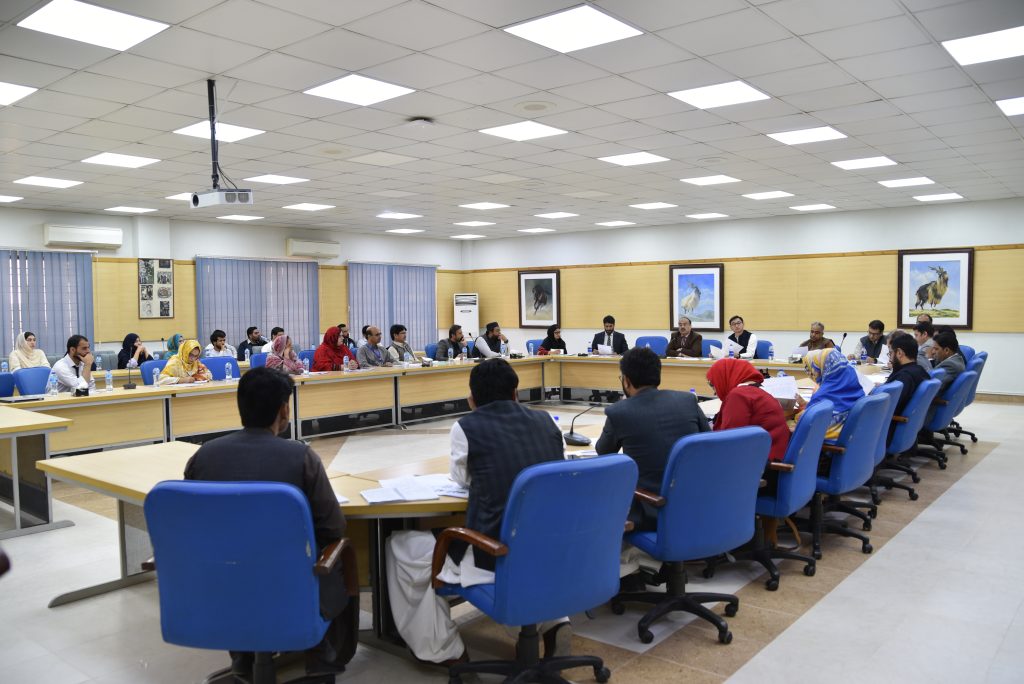
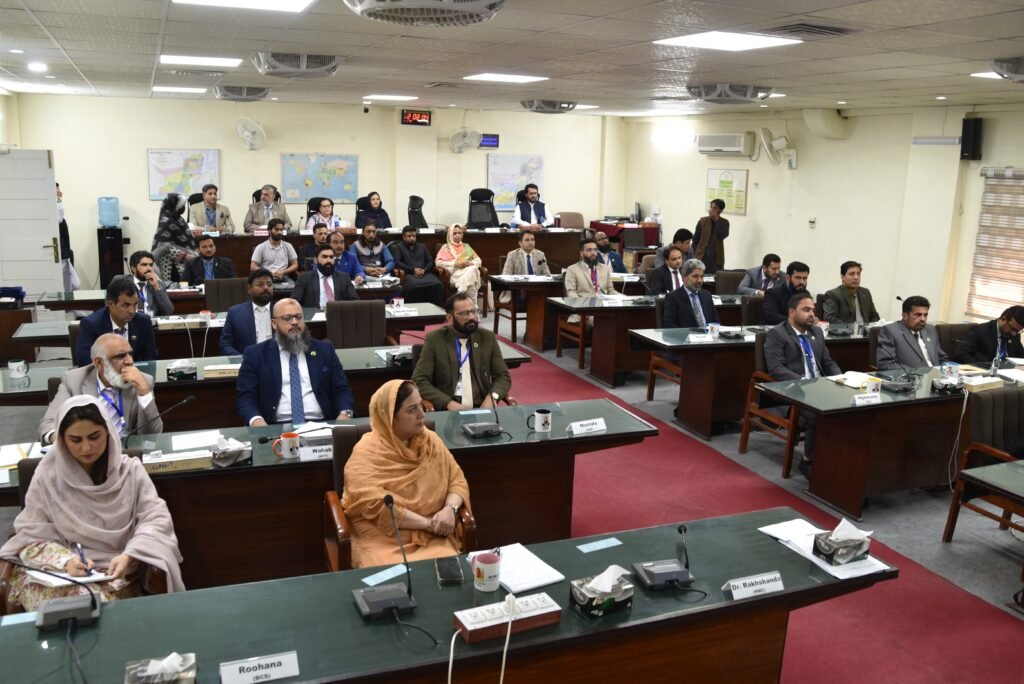
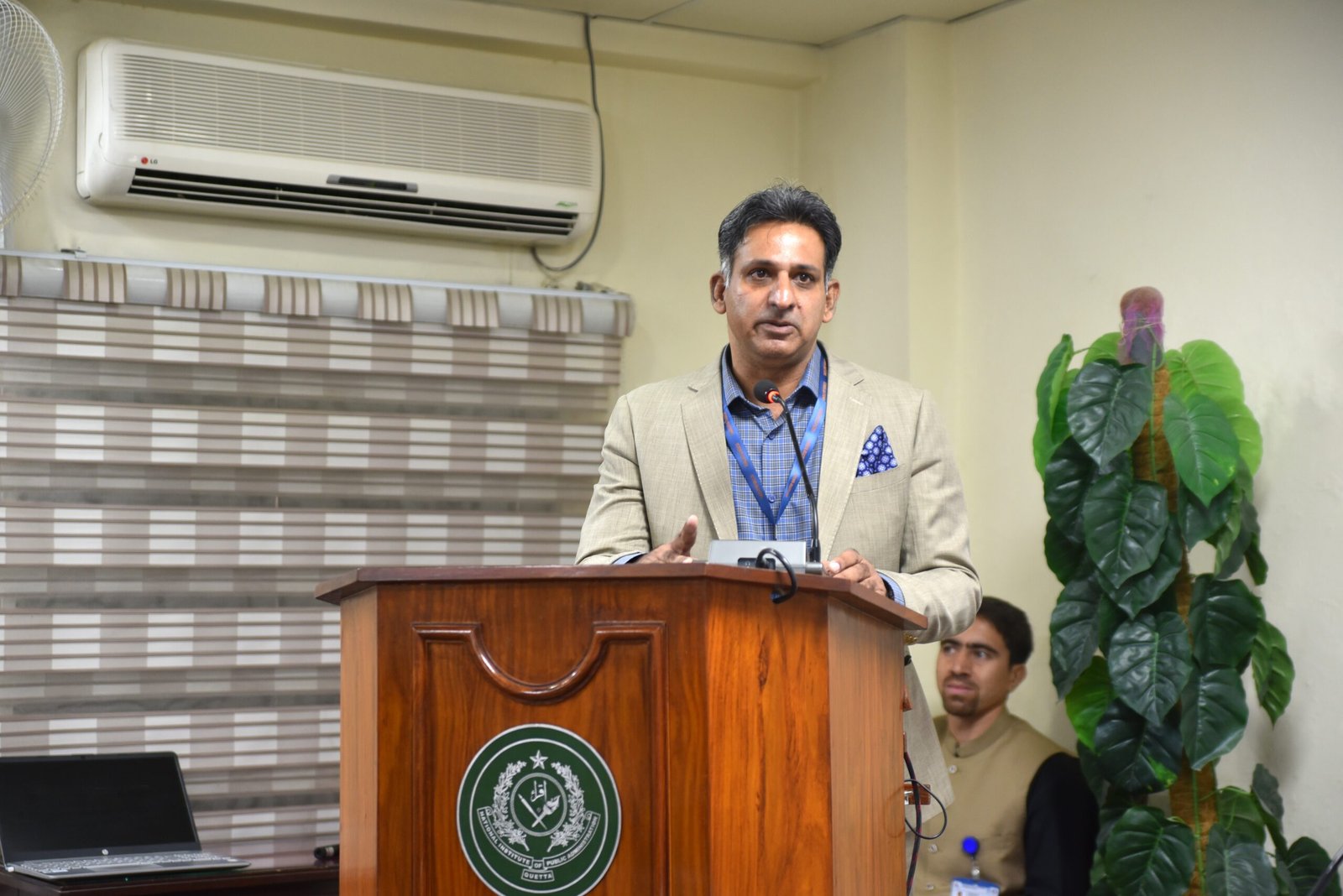
On September 3, 2026, the International Center for Refugee and Migration Studies (ICRMS) organized its Second Public Lecture at the National Institute of Public Administration (NIPA), Quetta. The lecture, titled “UNHCR’s Organizational Mandate, Operations, and Interventions in Pakistan, Particularly in Balochistan,” was delivered by Mr. Arkadiy Leybovskiy, Senior Protection Officer at the United Nations High Commissioner for Refugees (UNHCR).
The session provided participants with an overview of UNHCR’s organizational mandate, protection responsibilities, operational interventions, and role in responding to displacement in Pakistan, particularly in Balochistan. Mr. Arkadiy Leybovskiy explained the categories of persons falling under the UNHCR mandate, including refugees, asylum-seekers, and other individuals in need of international protection, while highlighting the roles of government institutions, UN agencies, humanitarian organizations, civil society, and other stakeholders.
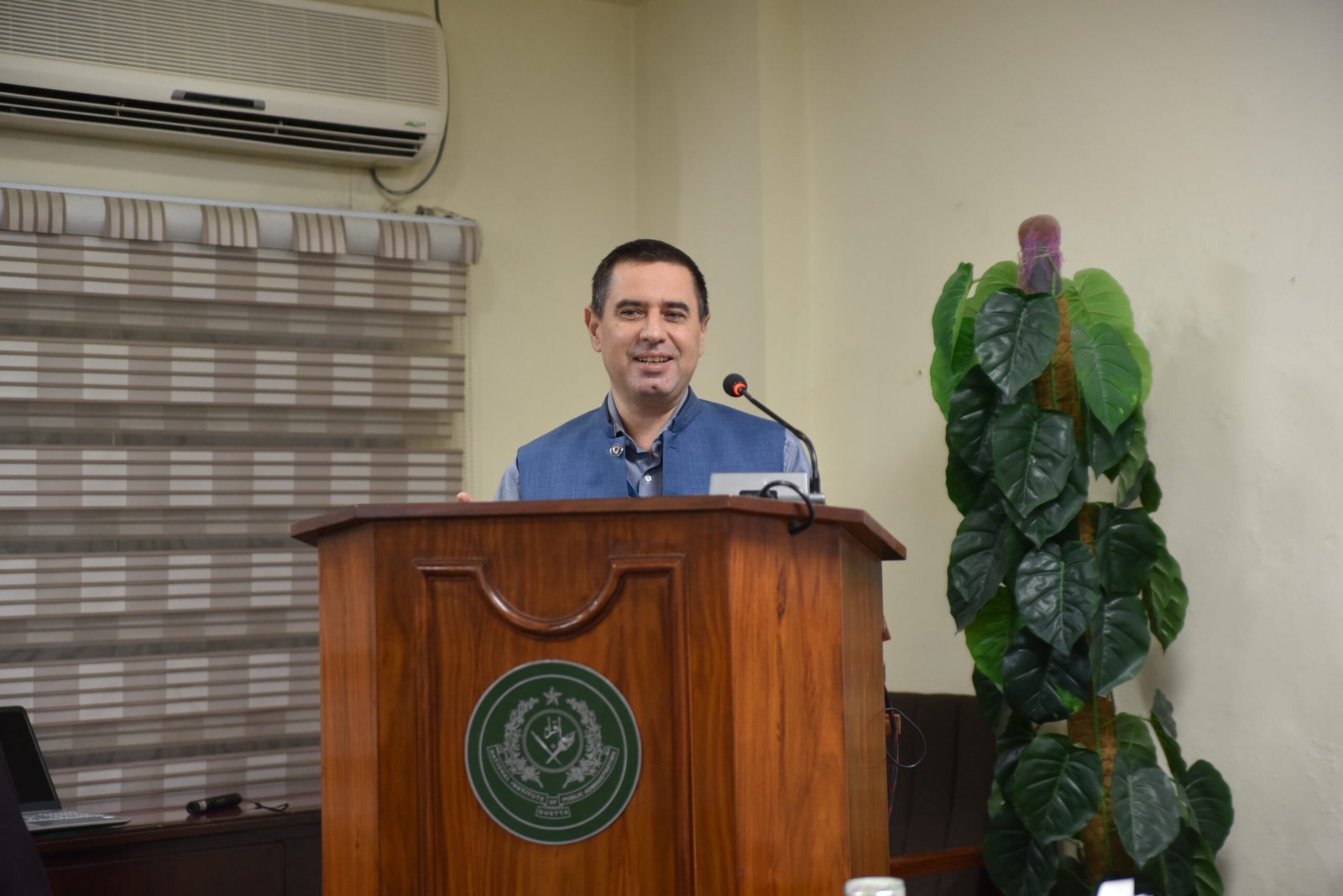
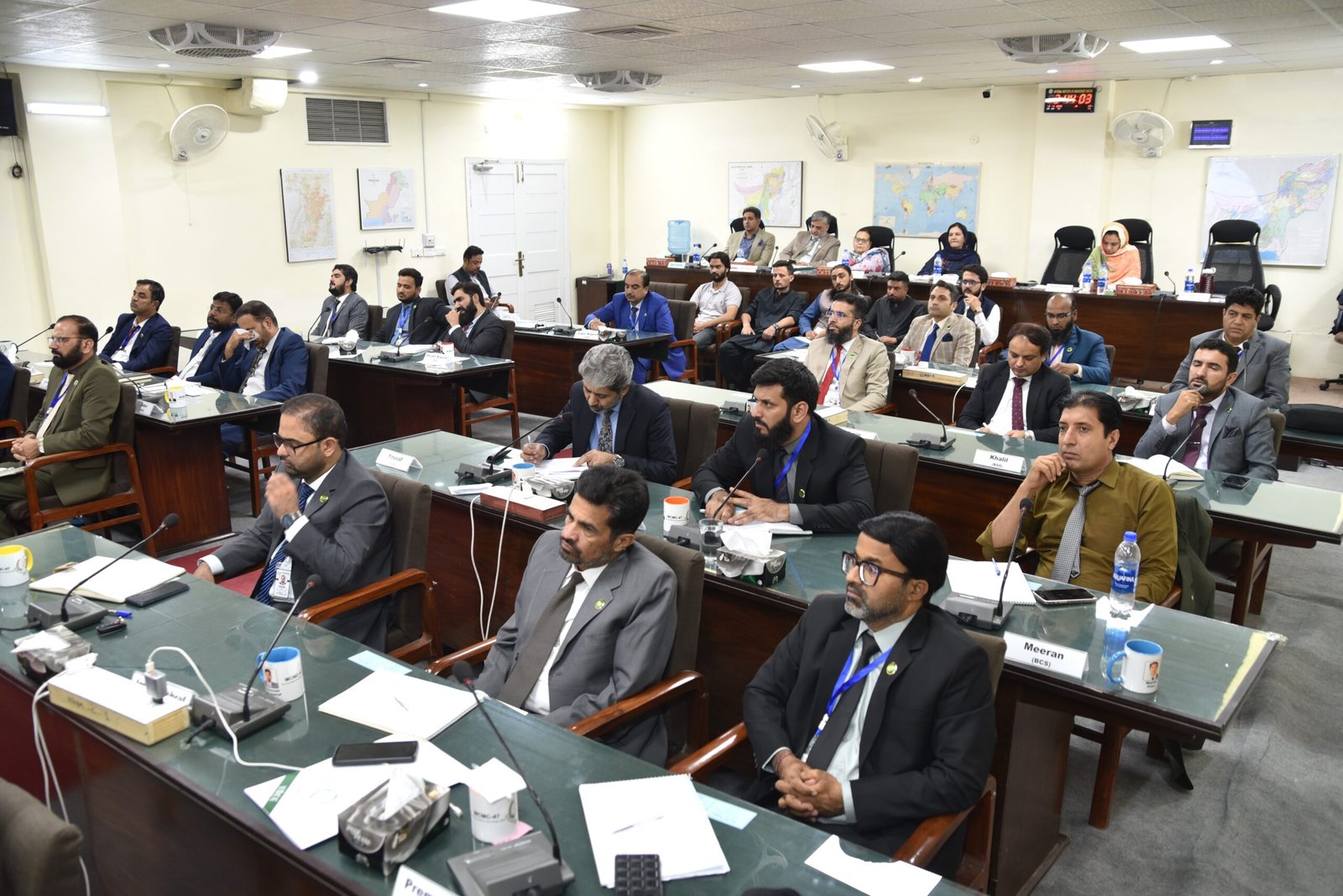
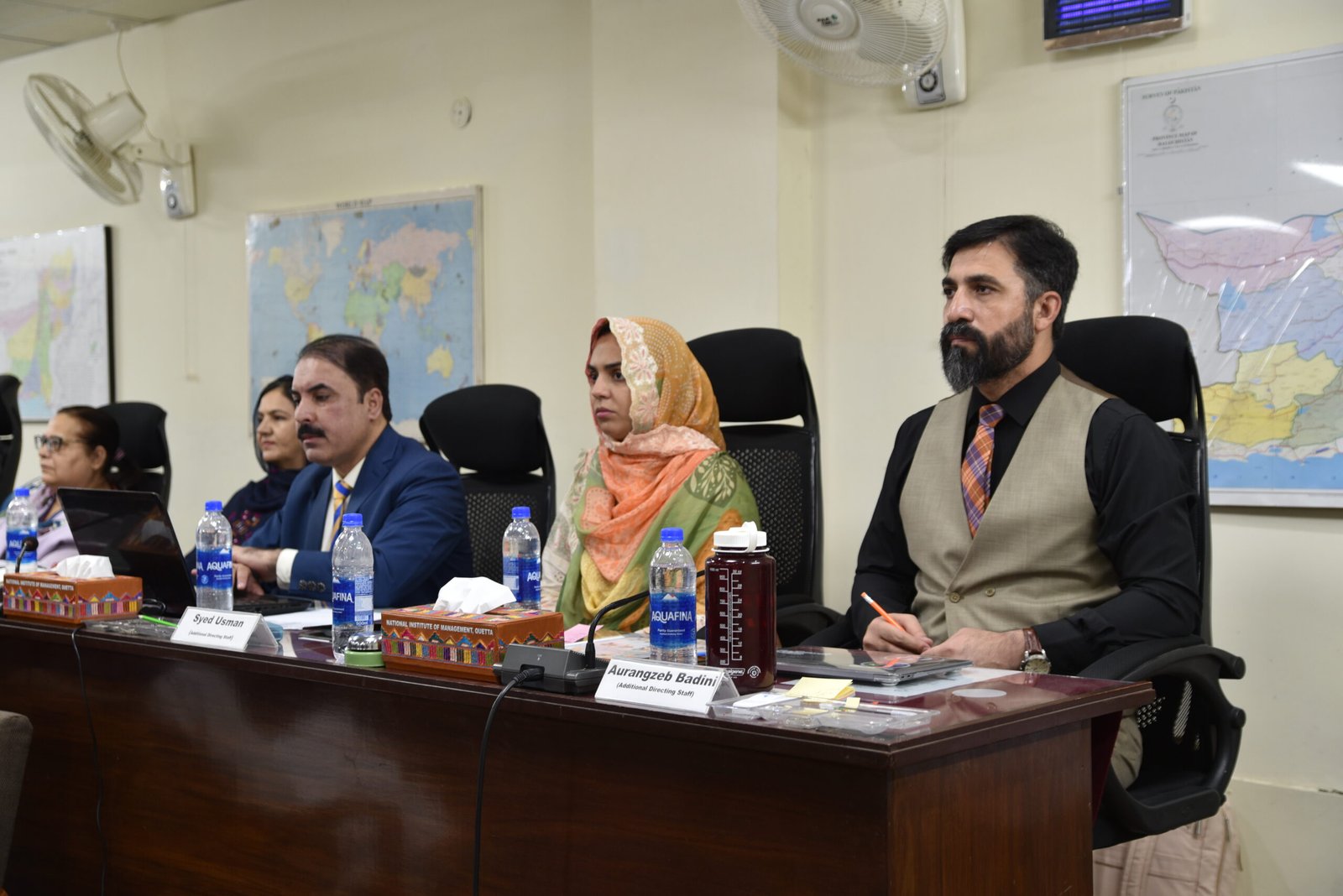
A key part of the lecture focused on the 1951 Convention relating to the Status of Refugees and its 1967 Protocol, including the definition of a refugee, exclusion provisions, and the principle of non-refoulement. The speaker also explained the need for international protection to safeguard the rights, dignity, and security of individuals who are unable to receive effective protection from their country of origin.
The session highlighted Pakistan’s longstanding role as a refugee-hosting country, particularly for Afghan refugees. The speaker discussed Pakistan’s legal and institutional context, including the absence of a dedicated national refugee law and formal refugee-status determination system, as well as UNHCR’s role in conducting refugee status determination under its mandate in cooperation with the Government of Pakistan.
Particular attention was given to Balochistan, including the presence of Afghan refugees, documentation and protection challenges, and the implications of the Illegal Foreigners Repatriation Plan (IFRP). The discussion emphasized the importance of protection-sensitive approaches for individuals with potential international protection needs.
The lecture also covered UNHCR-supported programmes, including the Refugee Affected and Hosting Areas (RAHA) Programme, which supports refugee-hosting communities through interventions in education, health, water and sanitation, livelihoods, and community infrastructure. Education support and assistance to public schools were also discussed, highlighting the importance of inclusive services for refugee and host communities.
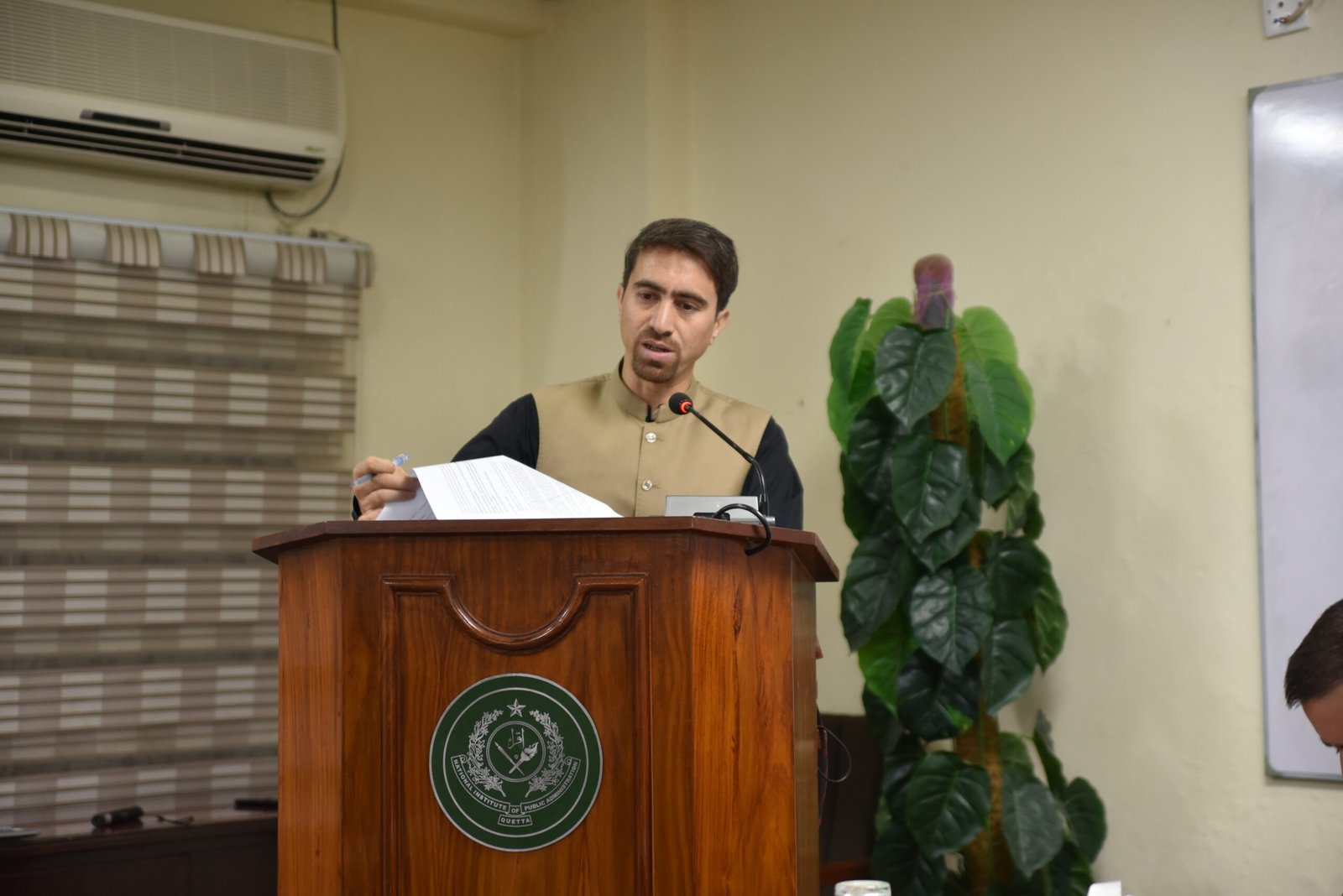
The lecture was followed by an interactive Question and Answer (Q&A) Session, during which participants raised questions related to the topics discussed. Mr. Arkadiy Leibovsky responded to the participants’ questions and provided clear and comprehensive explanations, further enhancing their understanding of UNHCR’s mandate, refugee protection, and its interventions in Pakistan and Balochistan.
Ms. Asia Lodhi from NIPA expressed her appreciation to Mr. Arkadiy Leibovsky for delivering an informative and insightful session. She acknowledged that the lecture significantly enhanced the participants’ understanding of UNHCR’s mandate, refugee protection, and its interventions in Pakistan, particularly in Balochistan.
In his closing remarks, Prof. Dr. Zahid Rauf, Director of ICRMS, briefly introduced the International Center for Refugee and Migration Studies (ICRMS) and highlighted its key areas of work, including research, education, advocacy, and initiatives related to refugee and migration issues. He thanked all participants for their valuable participation and expressed his appreciation to Dr. Syed Ali Raza Shah, Director General, NIPA, for facilitating and organizing the event. He also extended his gratitude to Mr. Arkadiy Leybovskiy for conducting an informative and engaging session.
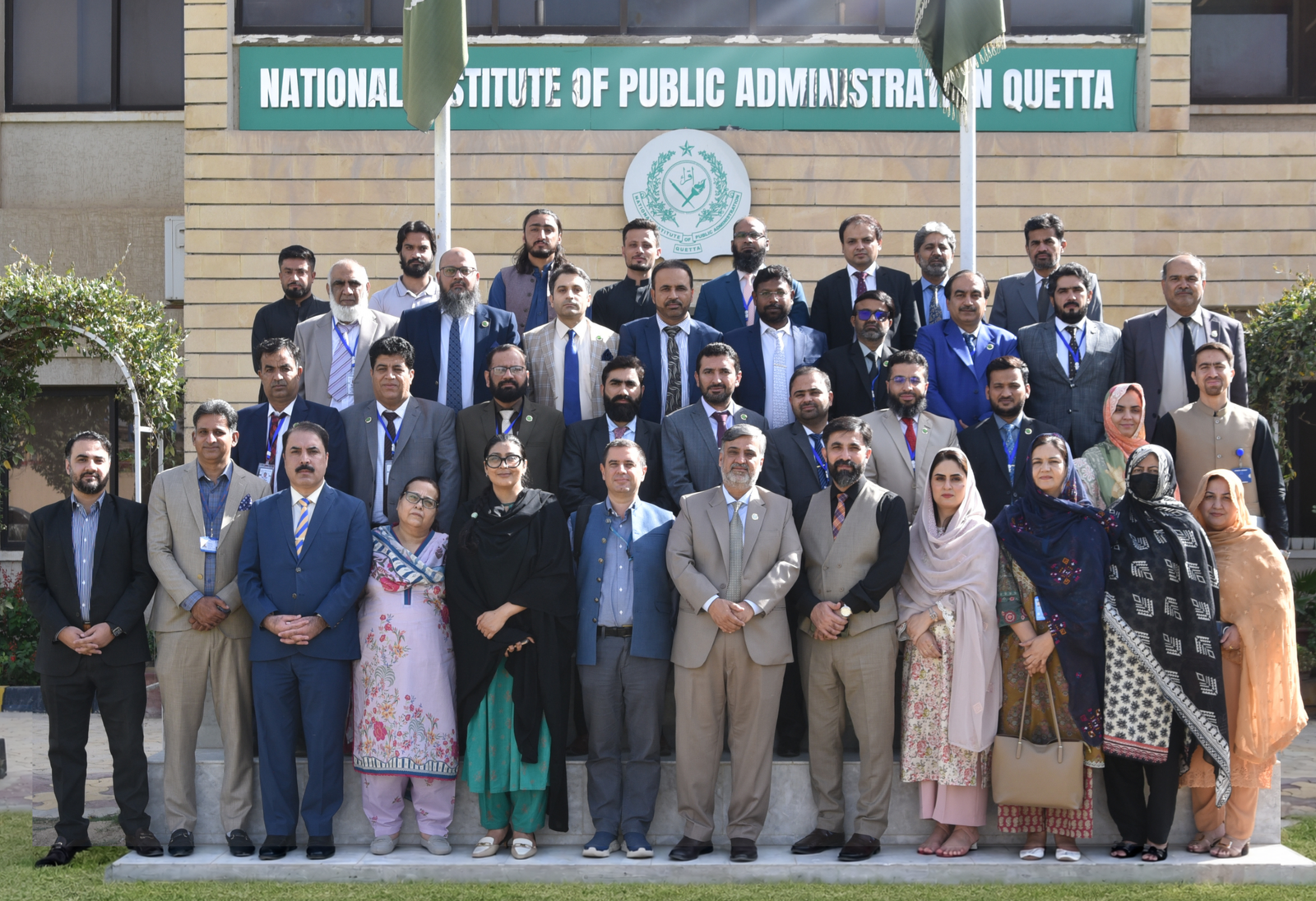
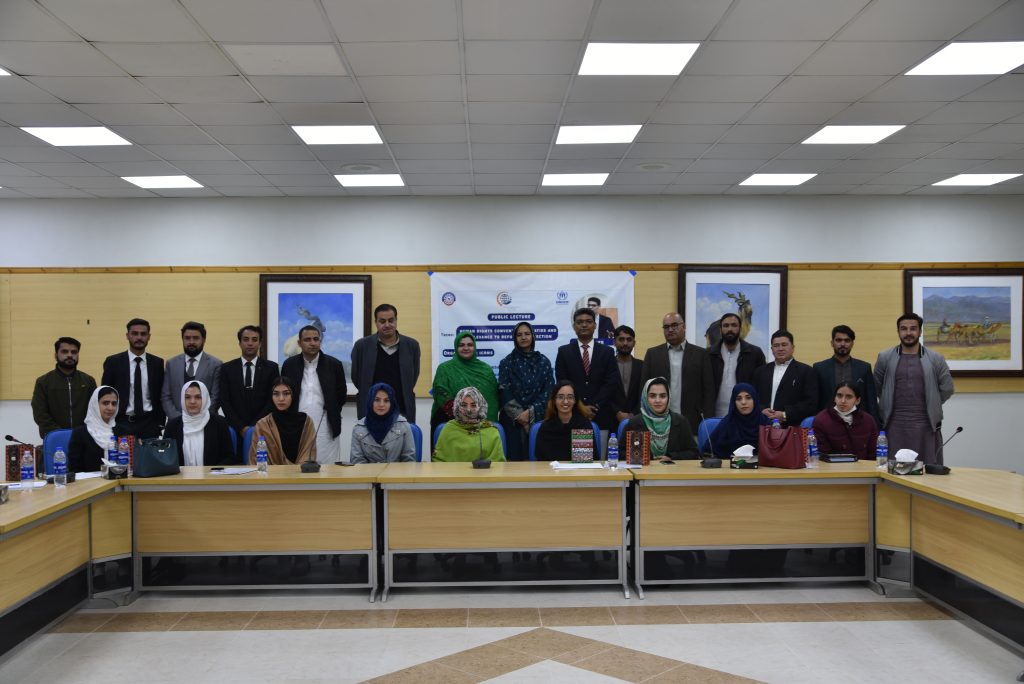
As a token of appreciation, Prof. Dr. Zahid Rauf presented shields to Mr. Arkadiy Leybovskiy and Dr. Syed Ali Raza Shah, Director General, NIPA, expressing gratitude on behalf of ICRMS for their valuable contributions to the session. A total of 40 participants attended the lecture, including 33 males and 7 females. The event concluded with a group photograph of the speakers, organizers, and participants.
Reported by Muhammad Asif
Reporting Associate