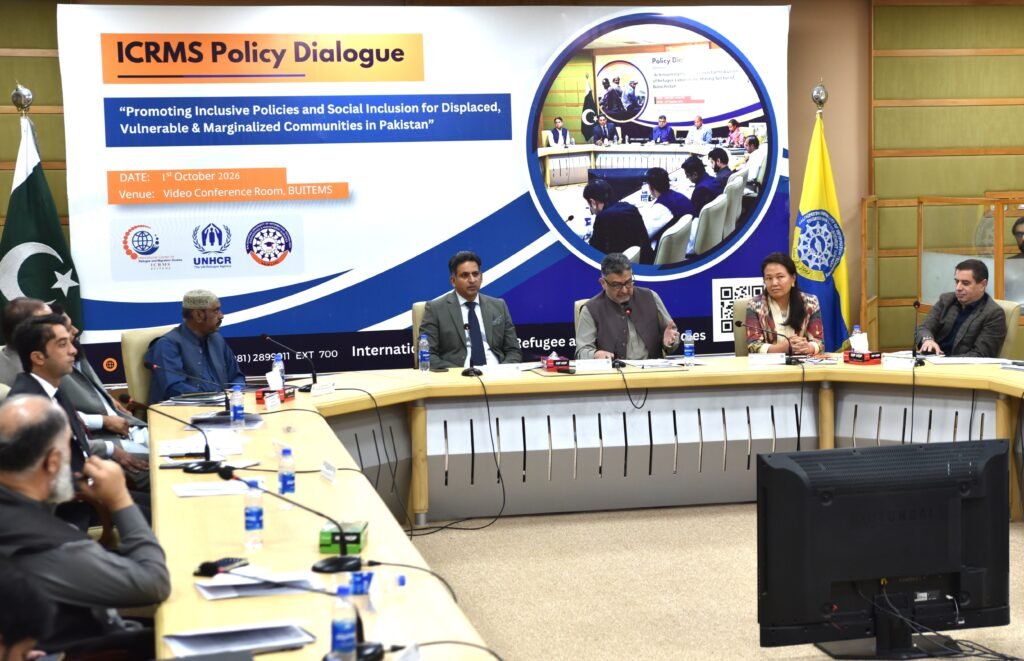
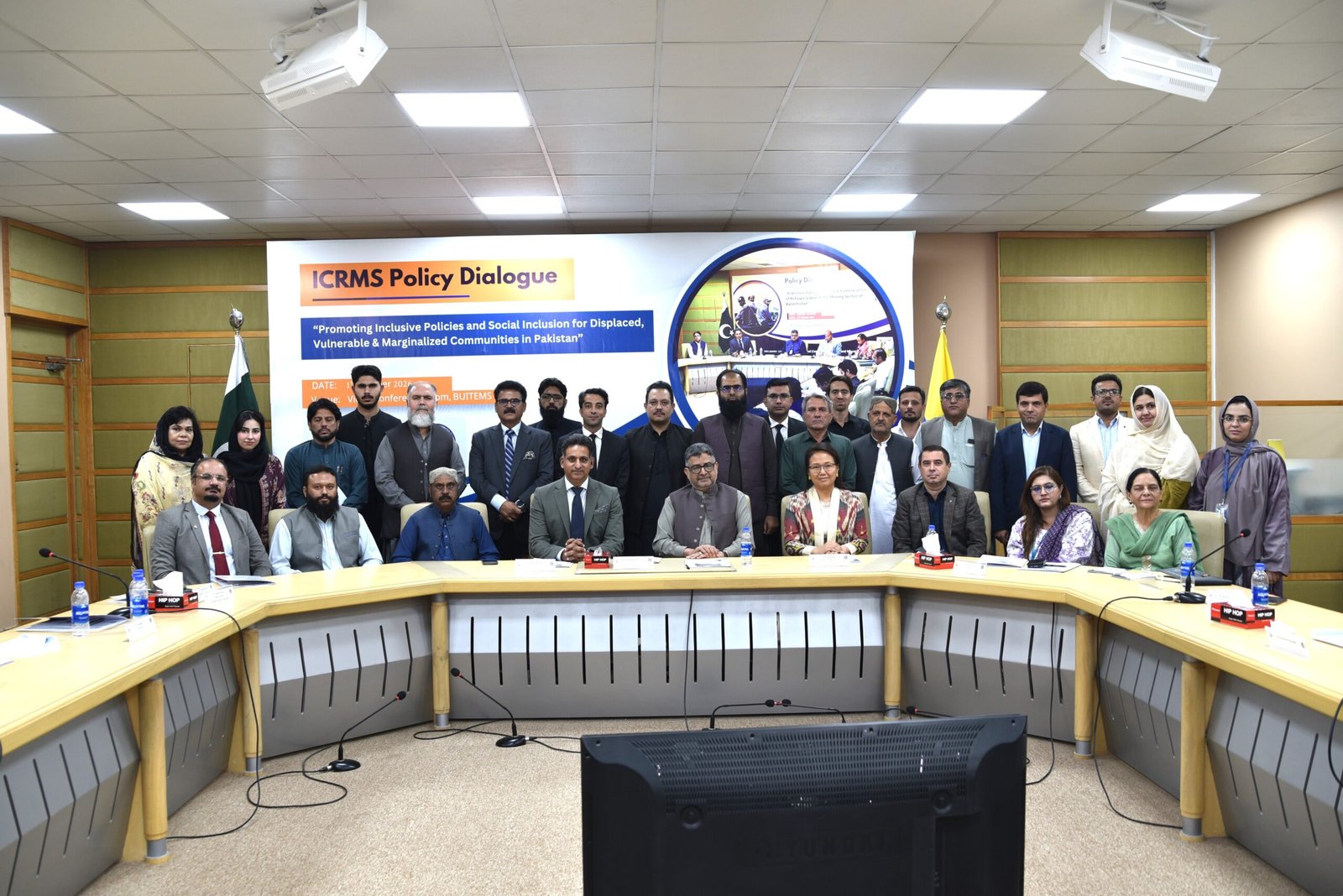
On 1 October 2026, the International Centre for Refugee and Migration Studies (ICRMS), BUITEMS, in partnership with the United Nations High Commissioner for Refugees (UNHCR), organized its First Policy Dialogue on the theme “Promoting Inclusive Policies and Protection-Sensitive Support for Displaced and Marginalized Communities in Pakistan.”
The session provided a multi-sectoral platform for relevant stakeholders to discuss the challenges faced by displaced and marginalized communities in Pakistan and to explore inclusive, coordinated, and protection-sensitive approaches to addressing their needs. Particular attention was given to vulnerability identification, referral mechanisms, institutional coordination, protection safeguards, and access to appropriate legal, medical, psychosocial, documentation-related services.
The event brought together representatives from academia, Inter Faith Harmony Department Government of Balochistan (GoB), Social Welfare Department (GoB), Regional Directorate of Human Rights (Quetta), Ministry of Human Rights Government of Pakistan, Federal Investigation Agency- Balochistan-Zone, National Commission for Human Rights, Human Rights Commission of Pakistan, International Organization for Migration-Quetta, Balochistan Bar Council, Aurat Foundation, Population Research Centre Quetta, St. Mary’s School, Quetta, SEHER organization, and civil society members. The diverse participation facilitated the exchange of perspectives and practical experiences and strengthened dialogue on coordinated responses and support mechanisms for displaced and marginalized communities in Pakistan.
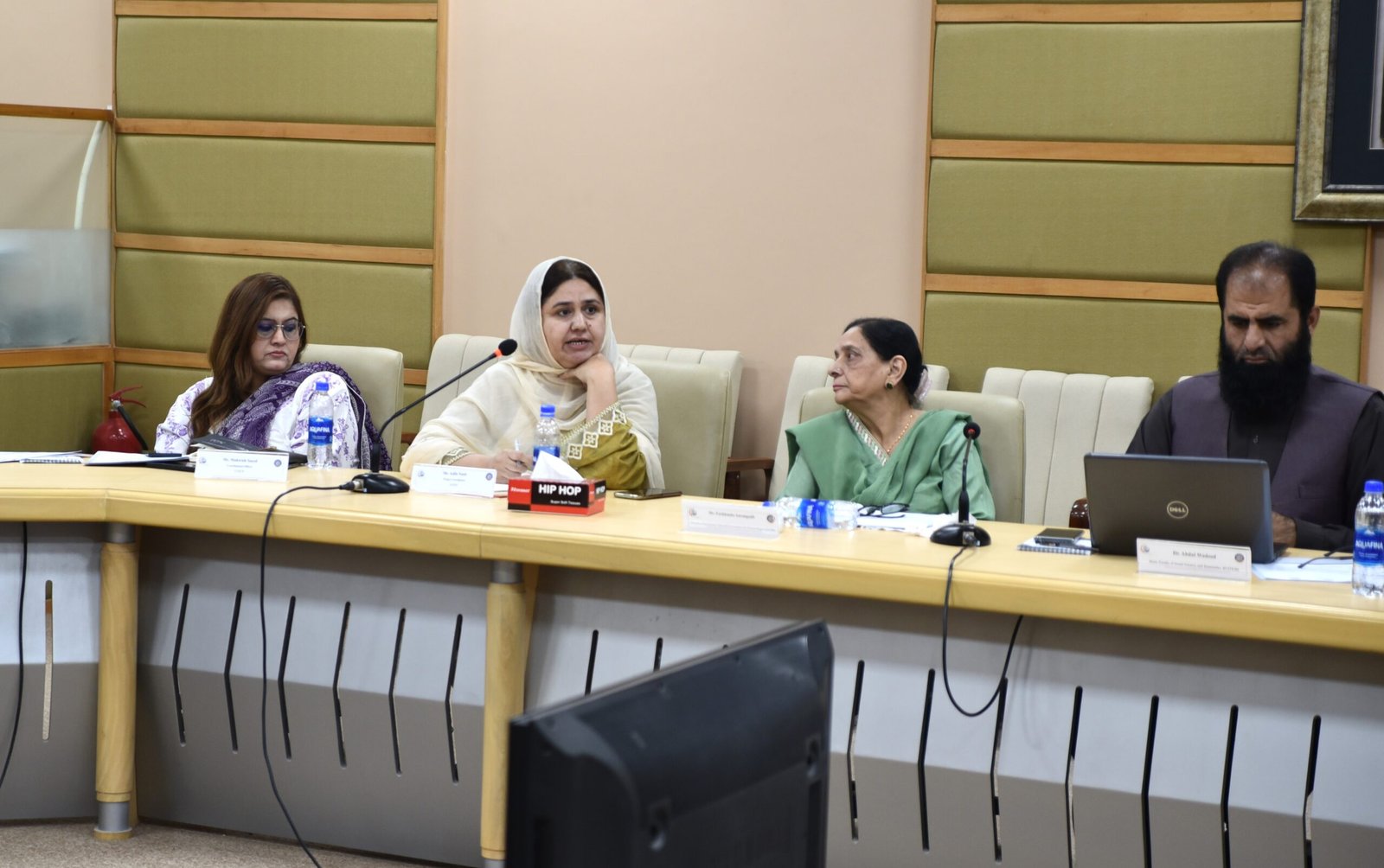
Opening Session
The event commenced with the opening remarks of Prof. Dr. Zahid Rauf, Director, ICRMS. He appreciated the continued collaboration between ICRMS, BUITEMS, and UNHCR and highlighted the importance of promoting inclusive and protection-sensitive approaches for displaced and marginalized communities.
In his remarks, he emphasized the importance of recognizing the social and economic contributions of displaced and vulnerable communities and strengthening institutional and community-based support mechanisms. He further highlighted the need for effective coordination among relevant stakeholders to ensure that vulnerable individuals and communities are able to access appropriate services and support.
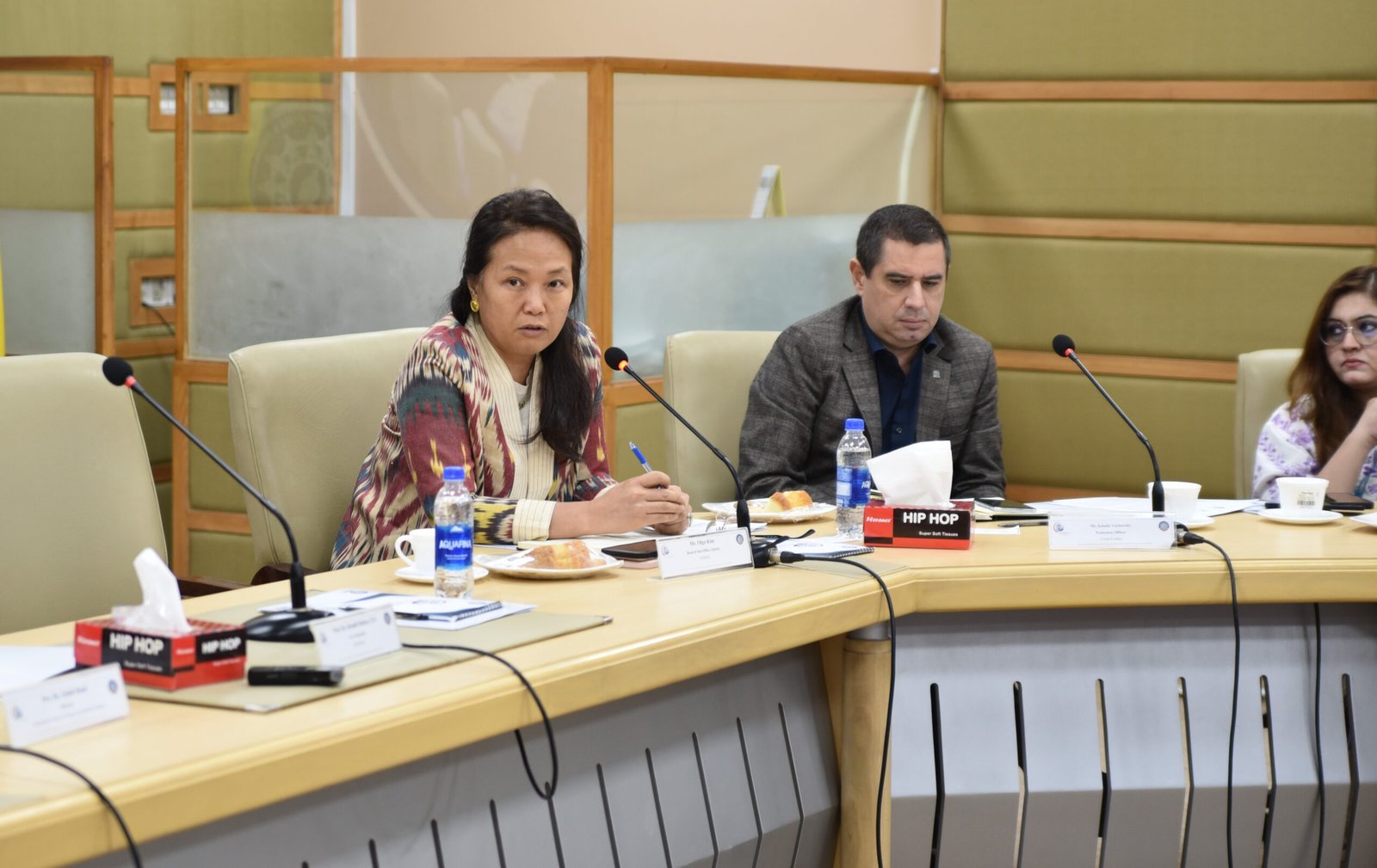
During the session, Ms. Nafisa Nasar, ICRMS, presented findings of desk research conducted on “Promoting Inclusive Policies and Protection-Sensitive Support for Displaced and Marginalized Communities in Pakistan.” Her presentation highlighted key protection concerns, including the identification of vulnerable individuals, referral gaps, institutional coordination, and safeguards for vulnerable communities.
Objectives of the Policy Dialogue and Key Discussion Areas
The Policy Dialogue aimed to strengthen stakeholder understanding of the diverse and overlapping vulnerabilities faced by displaced and marginalized communities and to identify gaps in existing protection, identification, referral, and follow-up systems. The discussion focused on:
- Identifying Vulnerabilities: Recognizing how documentation status, age, gender, disability, ethnicity, religion, health, socioeconomic circumstances, and geographical location can create distinct or compounded protection needs.
- Protection Gaps: Examining why vulnerable individuals and marginalized groups may remain outside formal protection and assistance systems and are often identified only after serious risks such as violence, detention, medical emergencies, family separation, or loss of support.
- Identification and Referral: Exploring accessible and trusted entry points for identifying vulnerable individuals and establishing clear referral pathways to legal, medical, psychosocial, documentation, social protection, and other specialized services.
- Coordinated Protection Mechanism: Discussing the feasibility of developing a coordinated Vulnerability Identification and Response Mechanism, including vulnerability criteria, case assessment, referral, follow-up, and accountability procedures. Also, clarifying the roles of government institutions, UN agencies, humanitarian organizations, civil society, community representatives, and service providers, while emphasizing confidentiality, informed consent, non-discrimination, dignity, responsible data use, and prevention of further harm.
- Sustainability and Implementation: Exploring practical, phased approaches to integrate the proposed mechanism within existing institutional structures, strengthen coordination, and use anonymized evidence to inform policy and resource allocation.
Key Recommendations
- Establish a clear and inclusive legal and policy framework for asylum and refugee protection in Pakistan, applicable regardless of nationality and consistent with national and international obligations.
- Develop a transparent, evidence-based vulnerability identification mechanism that recognizes intersecting vulnerabilities while ensuring confidentiality and protection of sensitive information.
- Strengthen documentation, legal assistance, and referral pathways through existing institutions to facilitate access to education, healthcare, justice, and other essential services.
- Ensure humane, protection-sensitive enforcement and voluntary repatriation, with informed decision-making and safe, dignified, and sustainable return procedures.
- Provide enhanced protection for vulnerable groups, particularly women, children, persons with disabilities, persons with special needs, and long-term residents throughout enforcement and return processes.
- Maintain a proportionate balance between security and protection, including appropriate screening and digital/biometric safeguards, human review, written decisions, and accessible appeal mechanisms.
- Strengthening institutional coordination, capacity building, and responsible data sharing among government authorities, UN agencies, humanitarian and legal actors, civil society, and academia.
- Promote evidence-based policymaking and regional learning through research on displaced communities, documentation of their experiences and contributions, and consideration of relevant regional and international practices. Remarks by the Guest of Honor
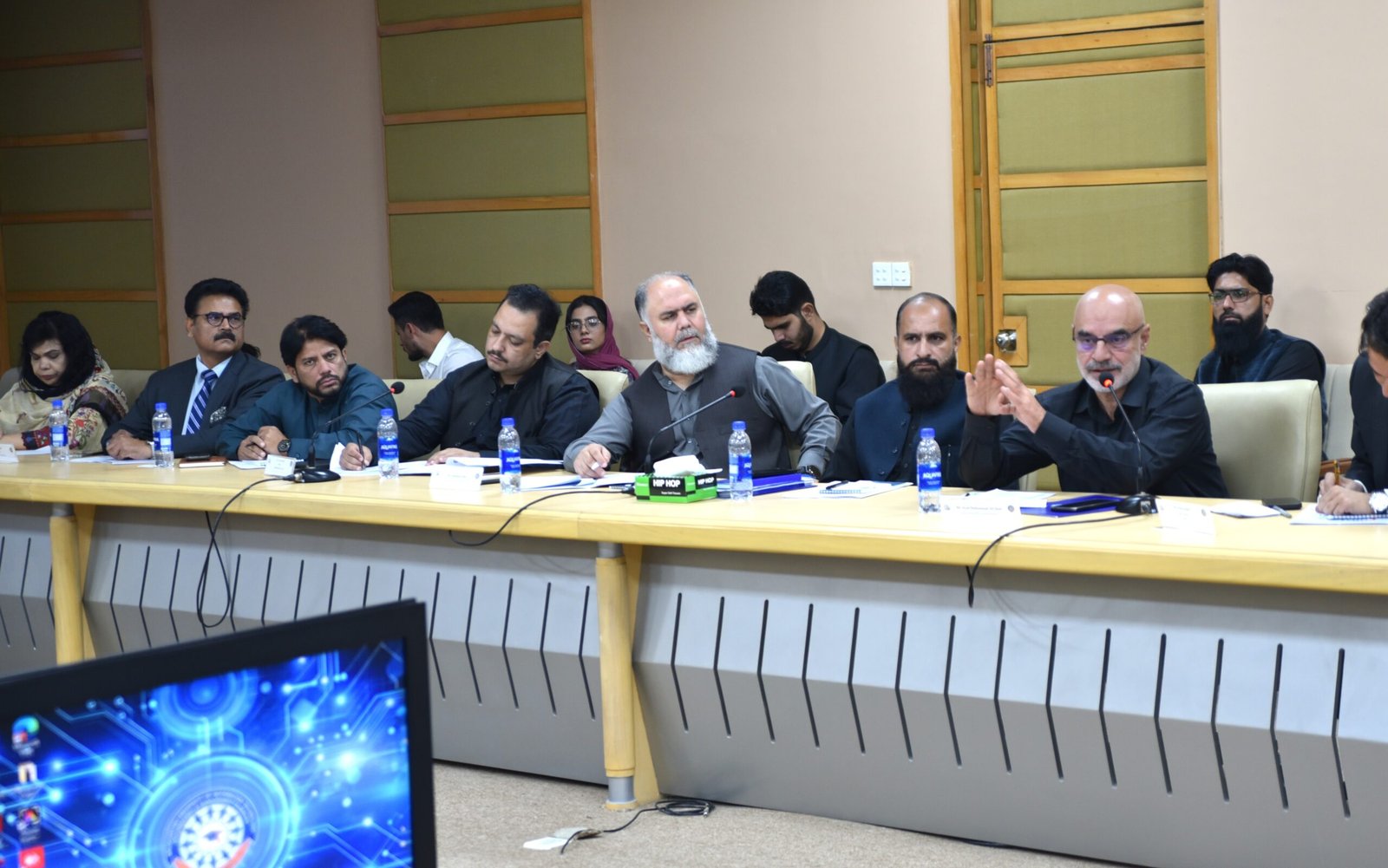
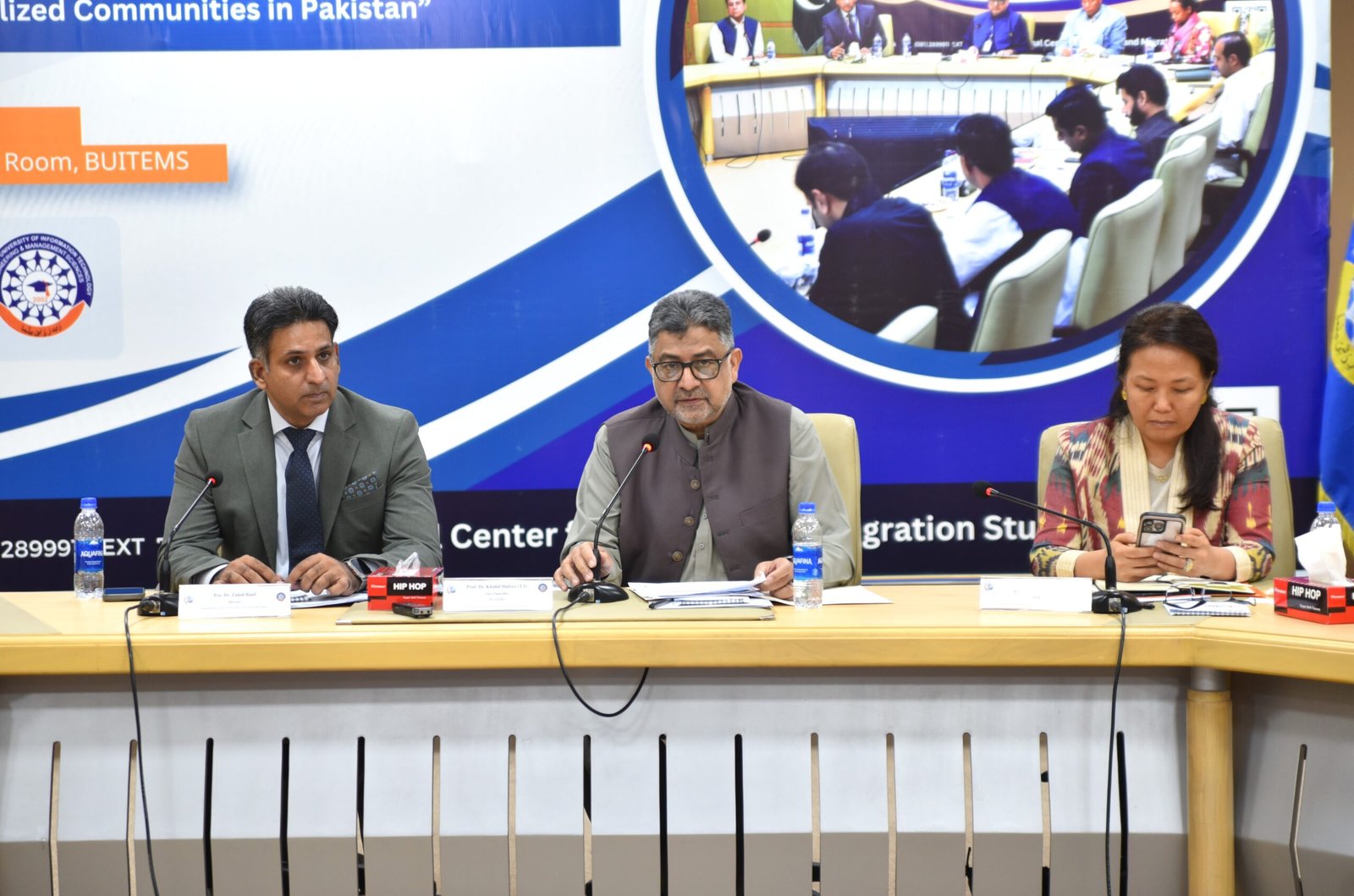
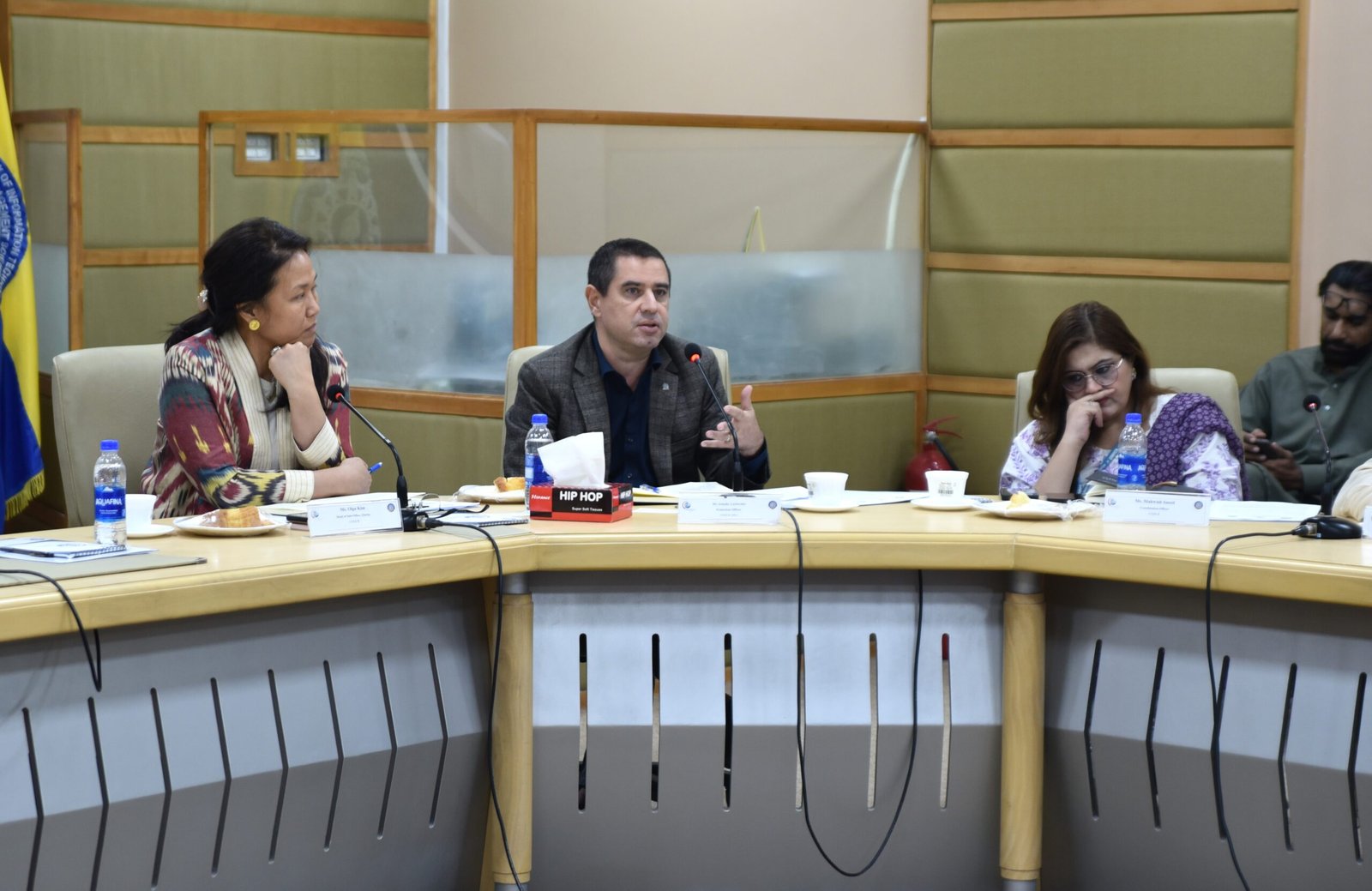
Professor Dr. Khalid Hafeez (T.I), Vice Chancellor, BUITEMS, thanked the distinguished guests, UNHCR, IOM, government institutions, human rights organizations, and partner organizations for their participation and appreciated ICRMS for organizing the dialogue. He emphasized the importance of translating dialogue outcomes into practical policy recommendations and proposed forming focused working groups to develop concrete recommendations. He highlighted the need to examine displacement and migration through legal, economic, technological, and social inclusion perspectives, including strengthening Pakistan’s asylum and refugee policy framework. He also noted the potential of AI, biometrics, blockchain, GIS, and data science to improve migration and displacement management while safeguarding human rights and data protection, and reaffirmed BUITEMS’ capacity to contribute technical and academic expertise. He concluded by encouraging continued stakeholder collaboration and stronger institutional coordination to address displacement and migration challenges sustainably.
Reported by Muhammad Asif
Reporting Associate

