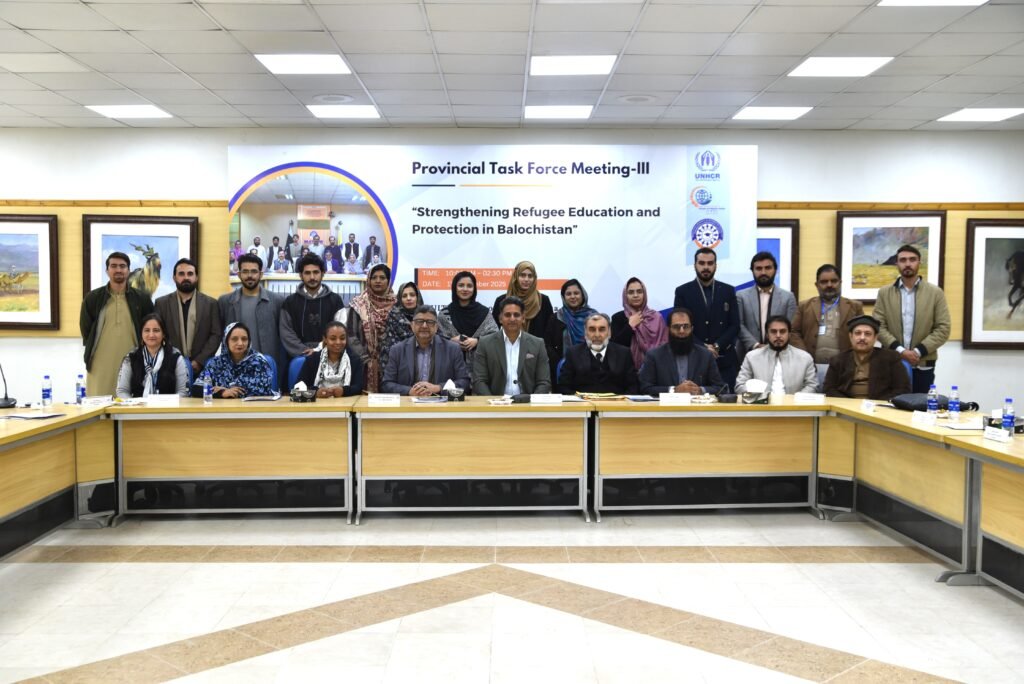
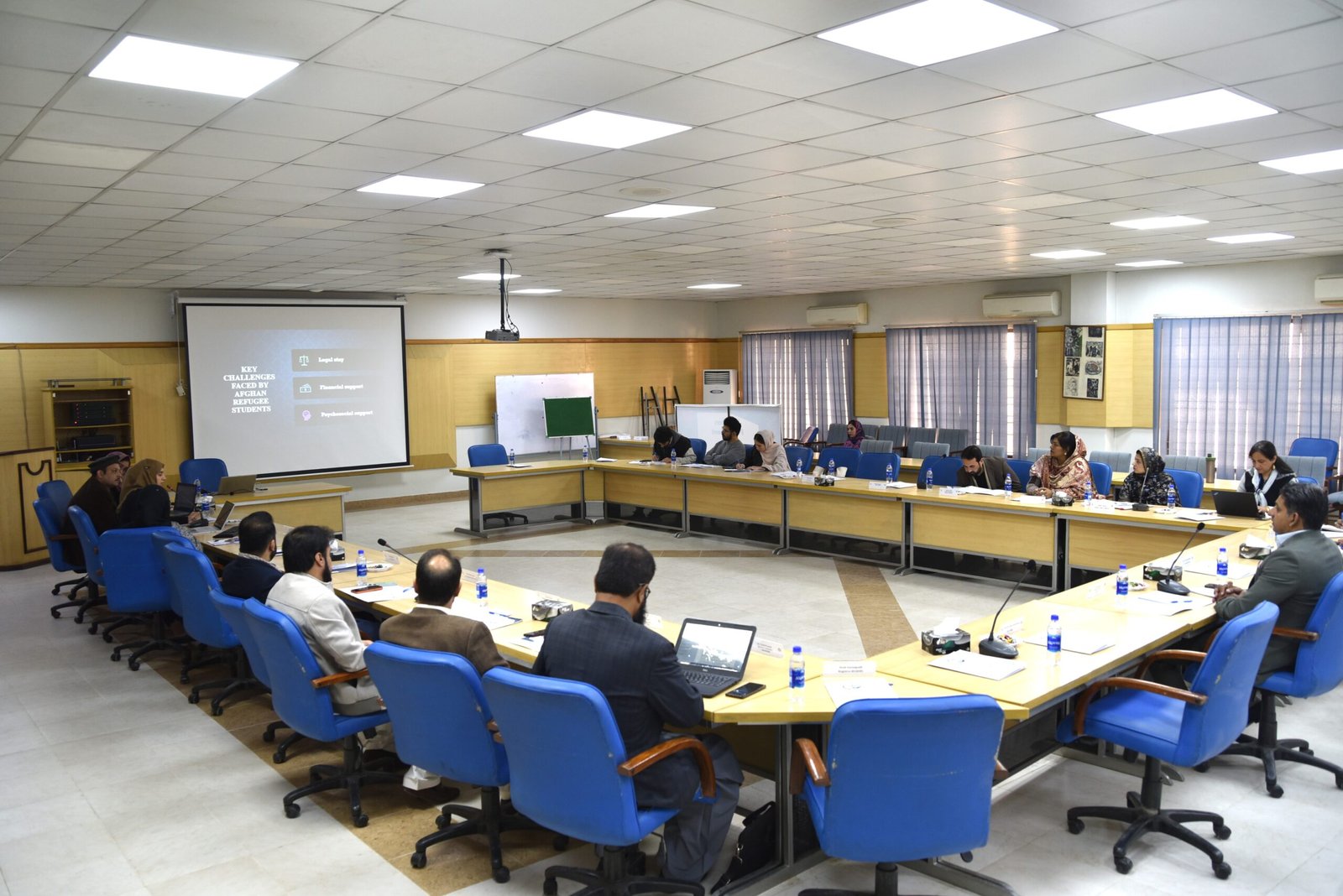
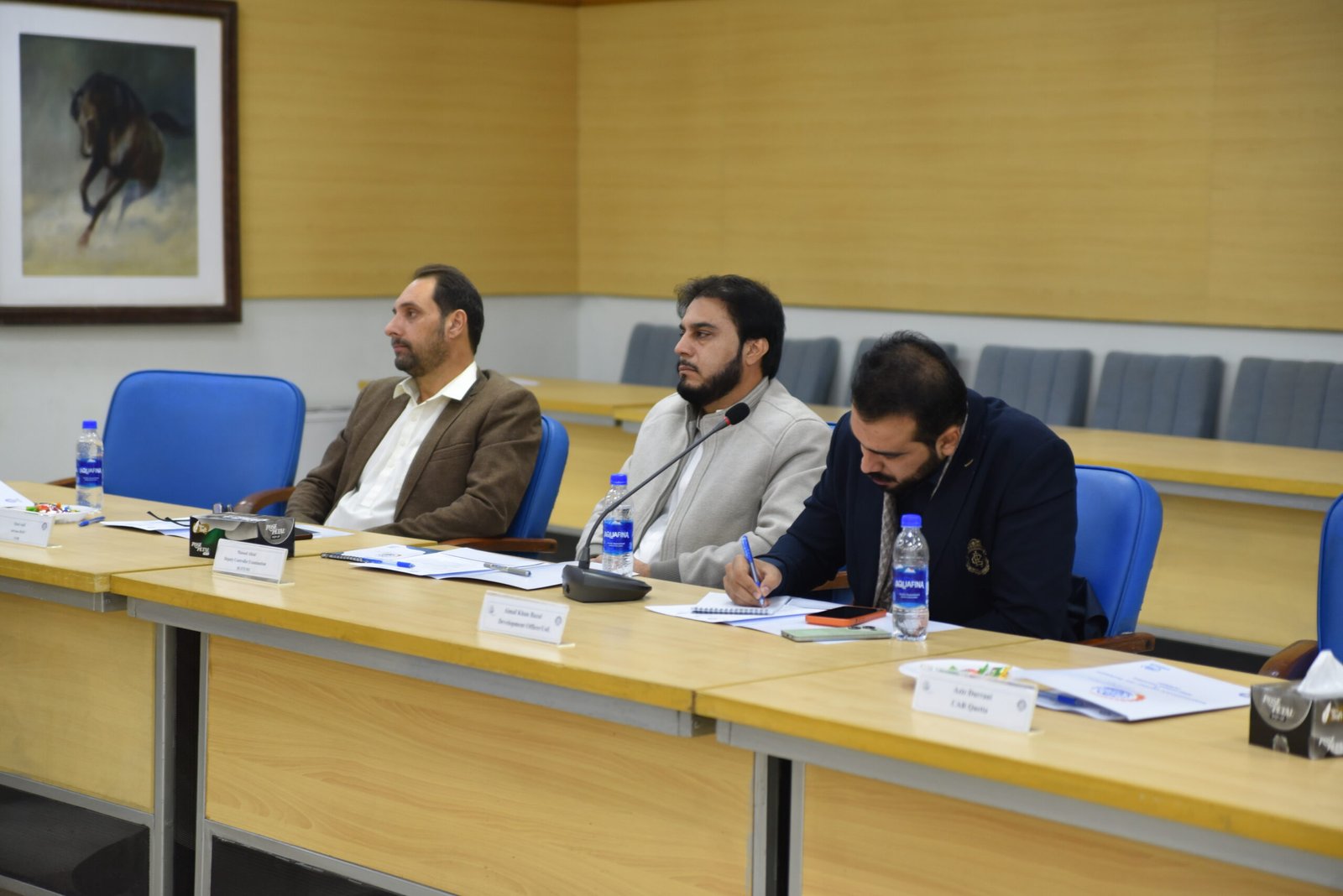
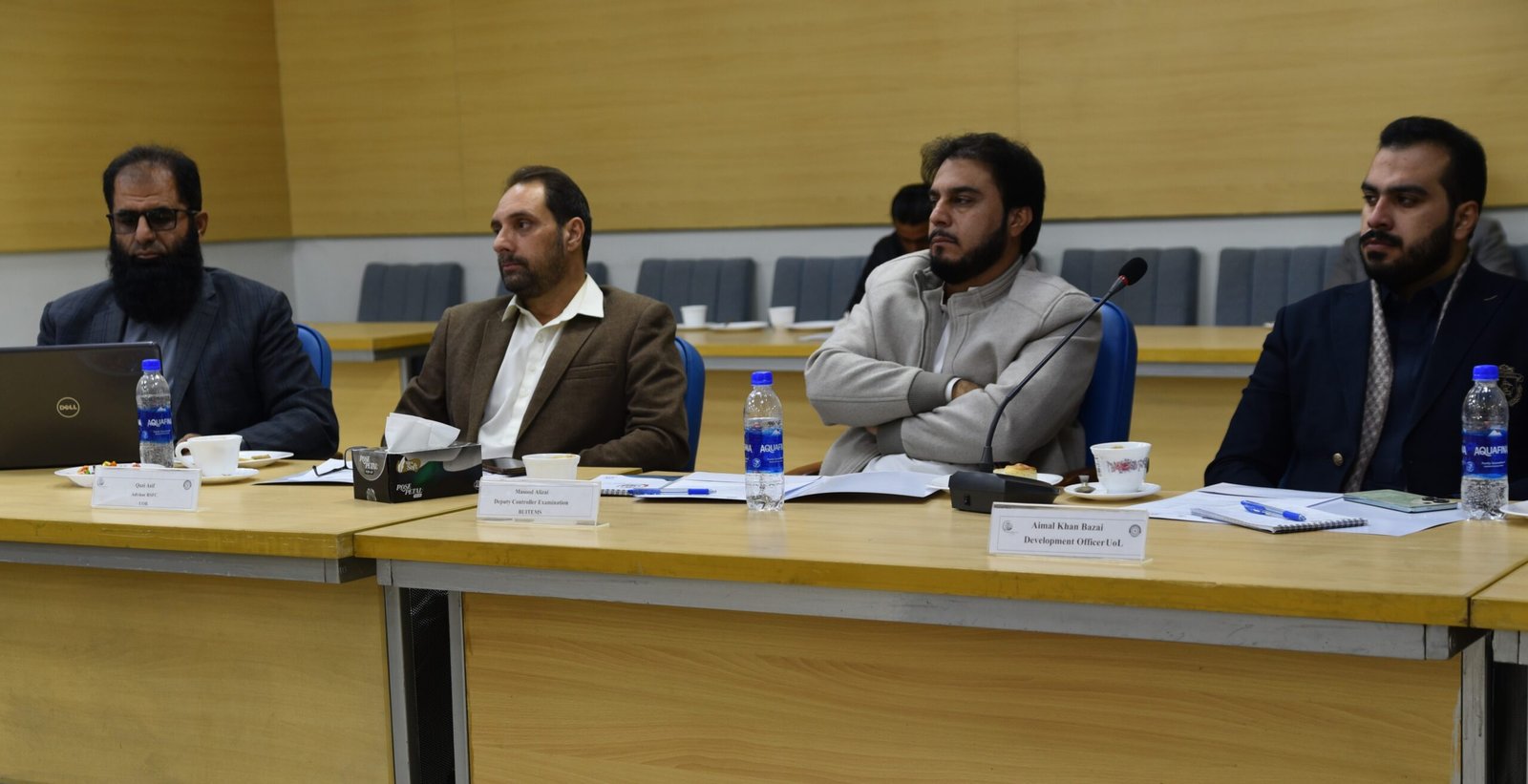
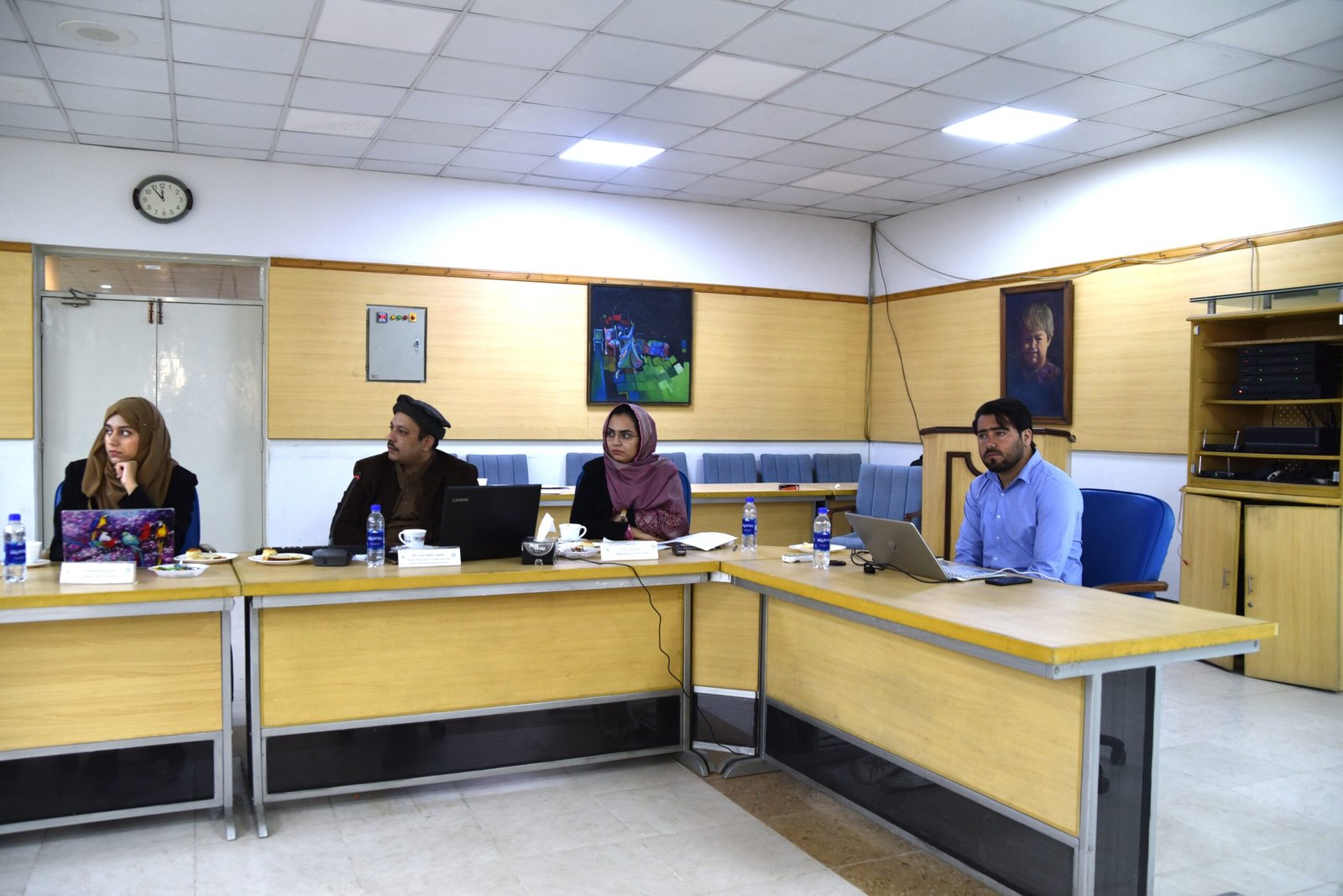
The International Center for Refugee and Migration Studies (ICRMS), in collaboration with the United Nations High Commissioner for Refugees (UNHCR) and the Balochistan University of Information Technology, Engineering and Management Sciences (BUITEMS), conducted its’ Third Task Force Meeting on “Strengthening Refugee Education and Protection in Balochistan” on 1st December 2025 at BUITEMS, Quetta. The Task Force Meeting aimed to highlight the academic, legal, and financial challenges faced by enrolled Afghan refugee students in higher education institutions across Balochistan. It served as a platform for universities, government departments, and international organizations to share updates, discuss emerging issues due to Illegal Foreigners Repatriation Plan (IFRP) Phase III and explore practical solutions for student protection until the end of their studies. The discussions focused on strengthening institutional coordination, addressing policy gaps, ensuring continuity of education, and safeguarding the rights of refugee students through collaborative and evidence-based approaches.
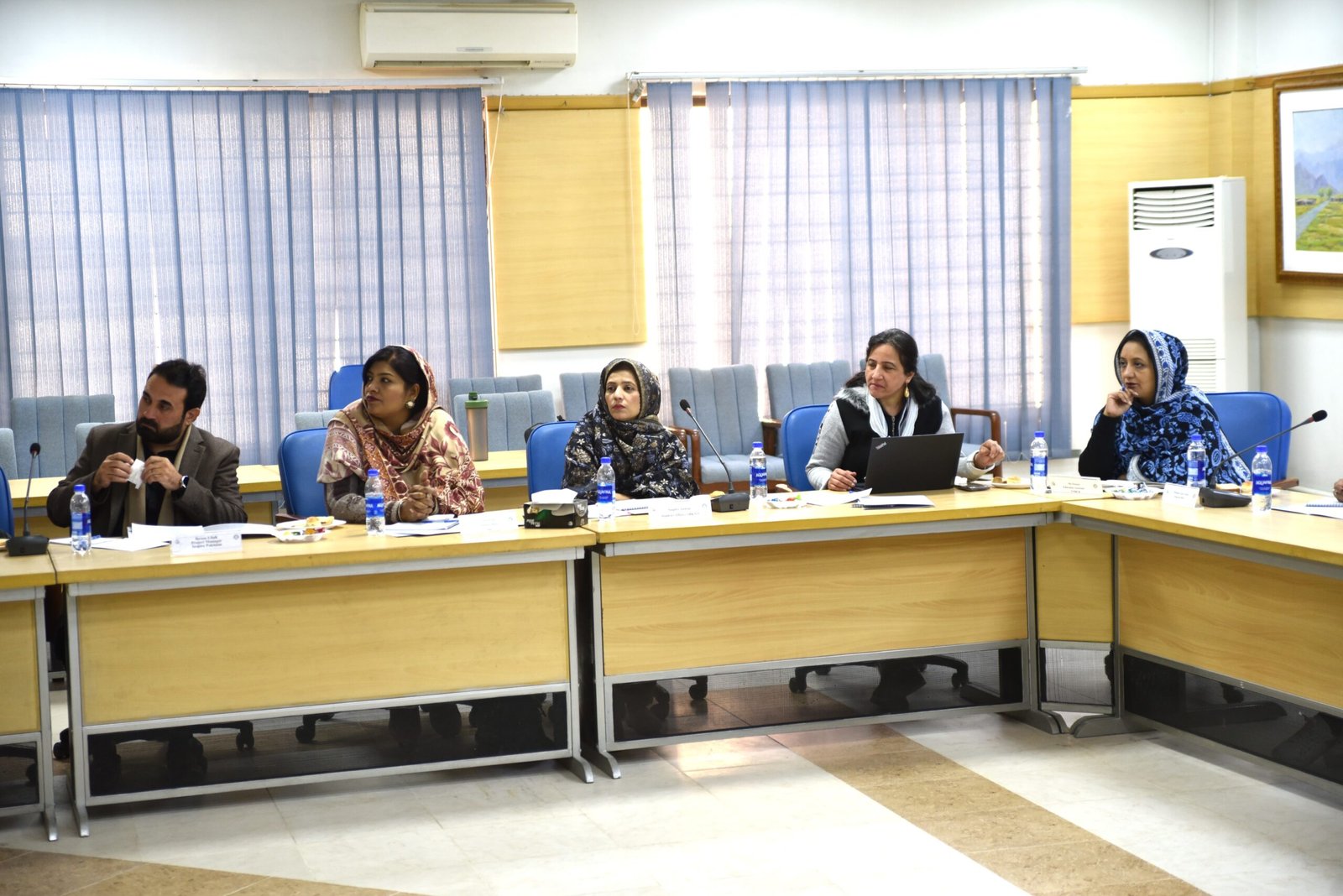
The Third Task Force meeting was attended by distinguished representatives from various academic institutions, government bodies, and international organizations. These included Dr. Khalid Hafeez, VC BUITEMS, Dr. Syed Muhammad Nabeel ul Haq, Assistant Professor, Economics Department Mr. Masood Alizai, Deputy Director BUITEMS; Mr. Qazi Asif, Assistant RSFC, University of Balochistan; Ms. Efratan Gizaw, Program Officer UNHCR; Ms. Noreen Sahar, Education Assistant UNHCR; Ms. Surayya Fawad, Associate Protection Officer UNHCR; Ms. Saqiba Anwar and Ms. Saima Kiran, Superintendent SBKWU; Mr. Ikram Ullah, Project Manager DAFI, Inspire Pakistan; Prof. Dr. Abdul Wadood, Director Administration BUITEMS; Mr. Rafi Ullah, Assistant Registrar Administration BUITEMS; and Mr. Nazir Agha, Advocate High Court.
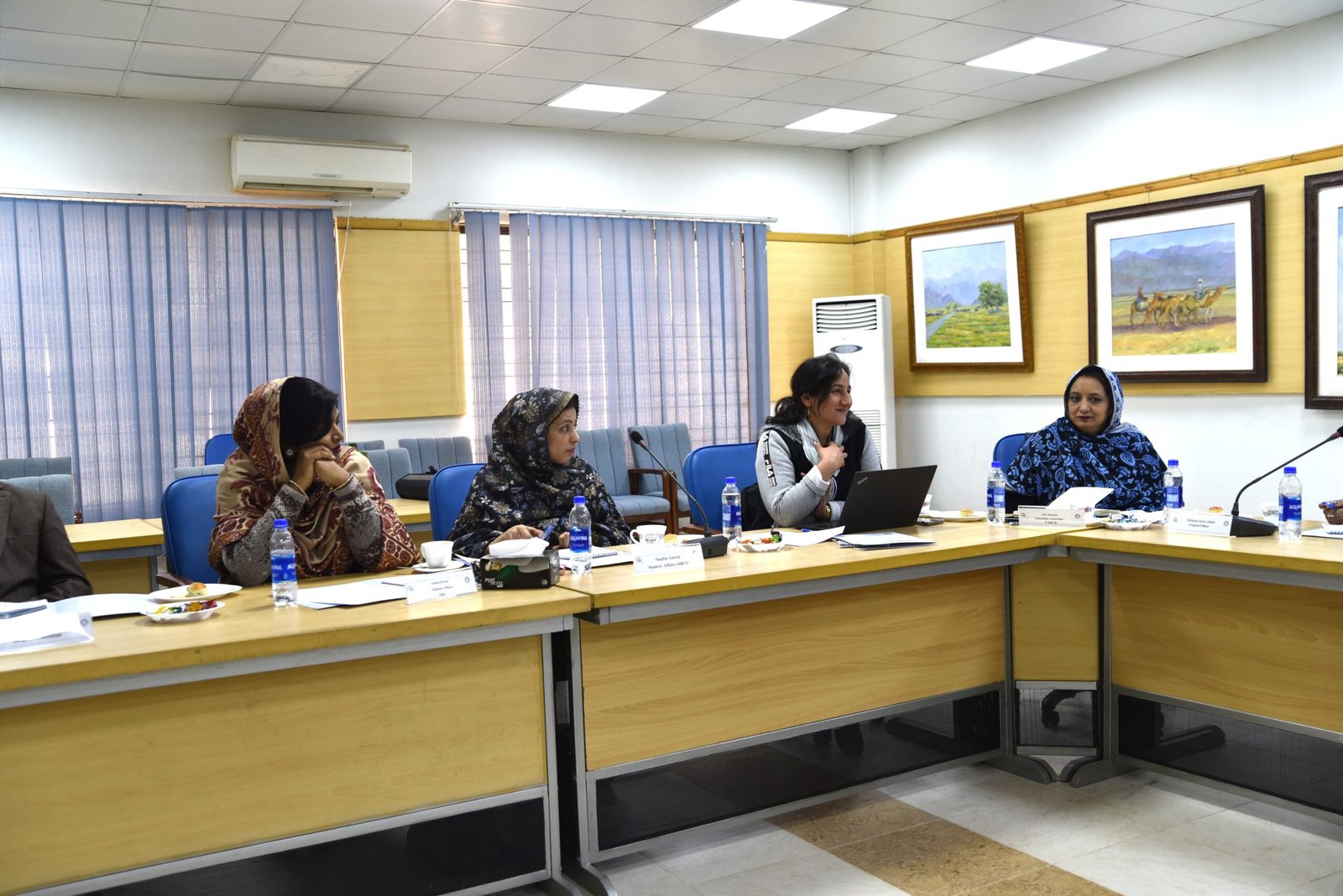
Opening Session
The event began with the recitation of the Holy Quran. Prof. Dr. Zahid Rauf, Director ICRMS, delivered the opening remarks, welcoming all attendees and appreciating the continued collaboration between ICRMS, BUITEMS, and UNHCR. He emphasized the significance of the Task Force Meeting in addressing ongoing and emerging challenges for enrolled refugee students in the higher education institutes.
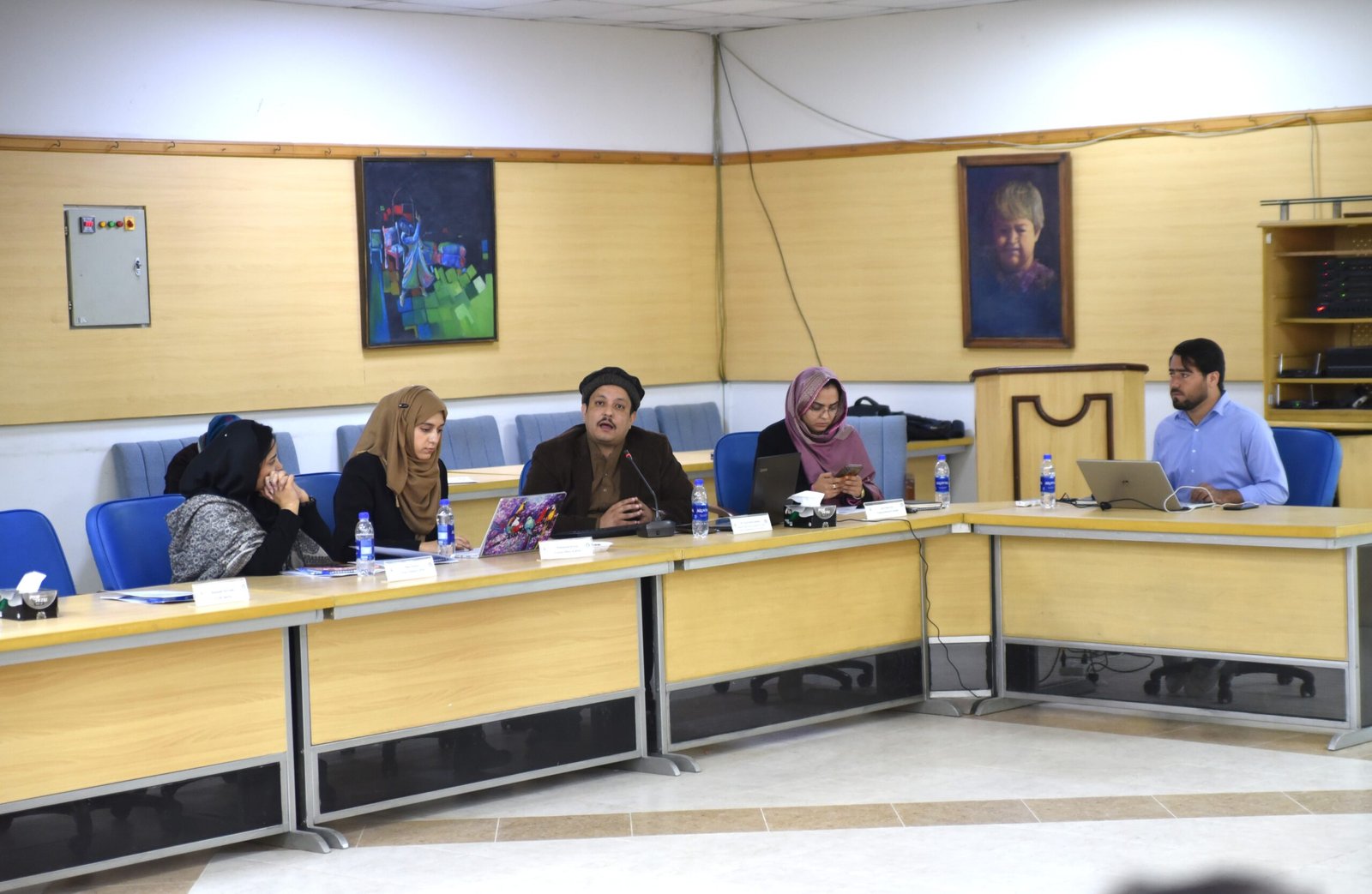
The session was moderated by Ms. Nafisa Nasar, Program and Research Associate at ICRMS. Key presentations included a briefing on the progress on the recommendations of Task Force I & II by Ms. Aiman Nadeem on a detailed presentation, outlining the progress achieved and the initiatives undertaken by ICRMS and partner institutions. She highlighted the areas where significant improvements had been made, along with the challenges that still persist and require collective efforts. Her presentation provided a clear roadmap for strengthening coordination among stakeholders and ensuring effective implementation of agreed recommendations.
Dr. Syed Muhammad Nabeel ul Haq, Assistant Professor, Economics Department delivered an insightful presentation on the Crash Course Tracer Study, outlining its objectives, methodology, and major findings. He discussed student enrolment patterns, academic performance, and the barriers experienced by refugee students during the program. His presentation emphasized the need for strengthened academic support, improved learning resources, and enhanced institutional coordination to ensure better educational outcomes for refugee learners.
Thematic Sessions
Discussion on IFRP Phase III & Its Impact
Representatives from higher education institutes provided updates on the impact of the Illegal Foreigners Repatriation Plan (IFRP) Phase III.
Key points:
- Increased fear among students of harassment and detention
- Dropout risks due to mobility restrictions
- Need for verified student identification and protection mechanisms
- University-specific updates were shared by BUITEMS, SBKWU, UoB, UoL and Inspire Pakistan.
Students’ Legal Protection & Visa Regime
Representatives from Inspire Pakistan and UNHCR and Mr. Nazir Agha, advocate High Court highlighted the legal situation regarding refugee students.
Discussion points:
- Implementation gaps in Balochistan High Court’s protective decision
- Students’ legal vulnerability in public spaces
- Need for revision in student visa regime
- Proposed fee waiver mechanisms to support continuation of higher education
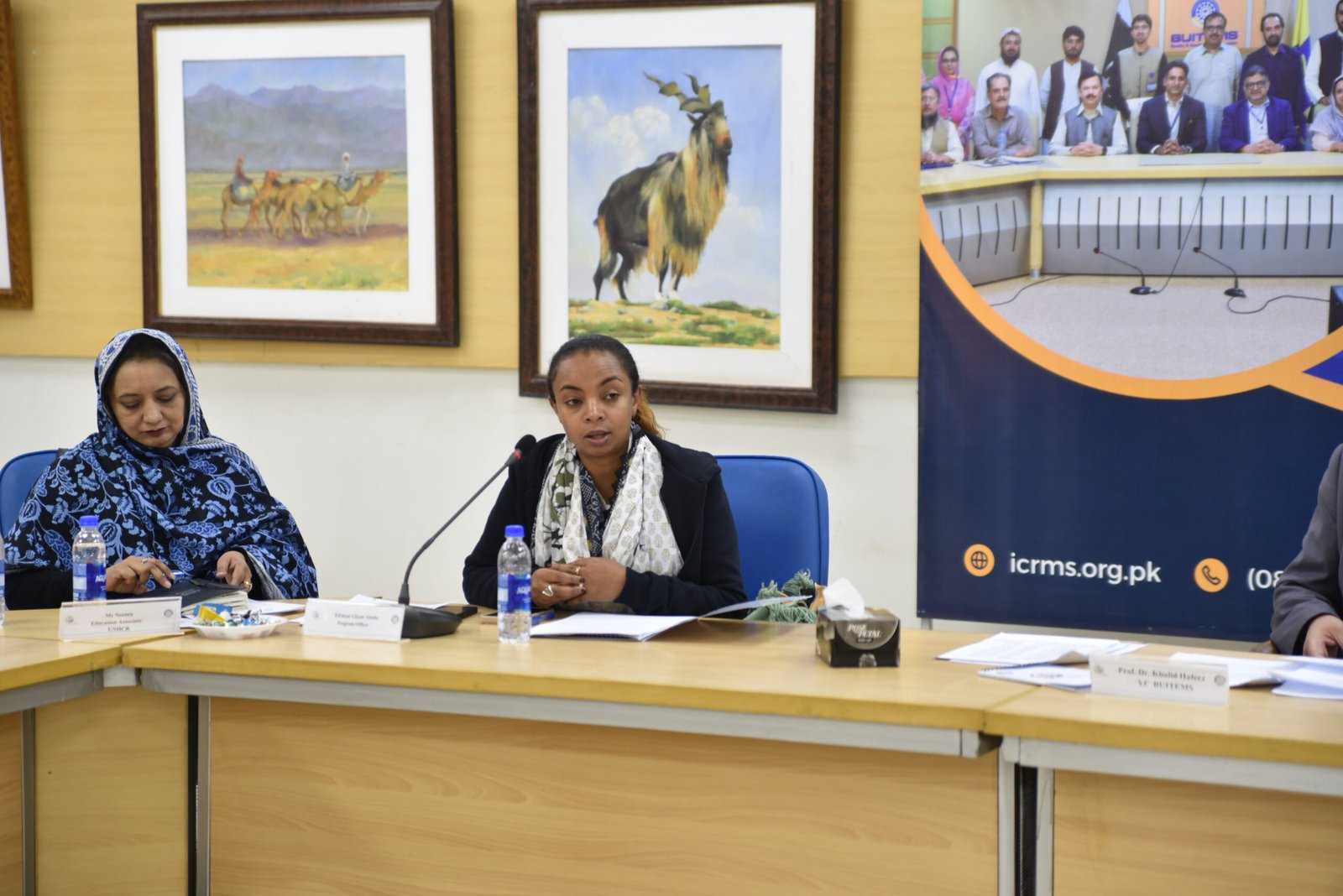
Remarks By Efratan Gizaw, Program Officer at UNHCR, highlighted the importance of continued collaboration between UNHCR, ICRMS, BUITEMS to support Afghan refugee students in Balochistan. She emphasized the intersectional challenges faced by refugee students particularly in the context of IFRP Phase III, and underscored the need for evidence-based interventions, legal protection, access to scholarships, and institutional coordination. She reaffirmed UNHCR’s commitment to ensuring inclusive, safe, and equitable access to higher education, enabling refugee learners to continue their studies and in supportive and inclusive academic environments.
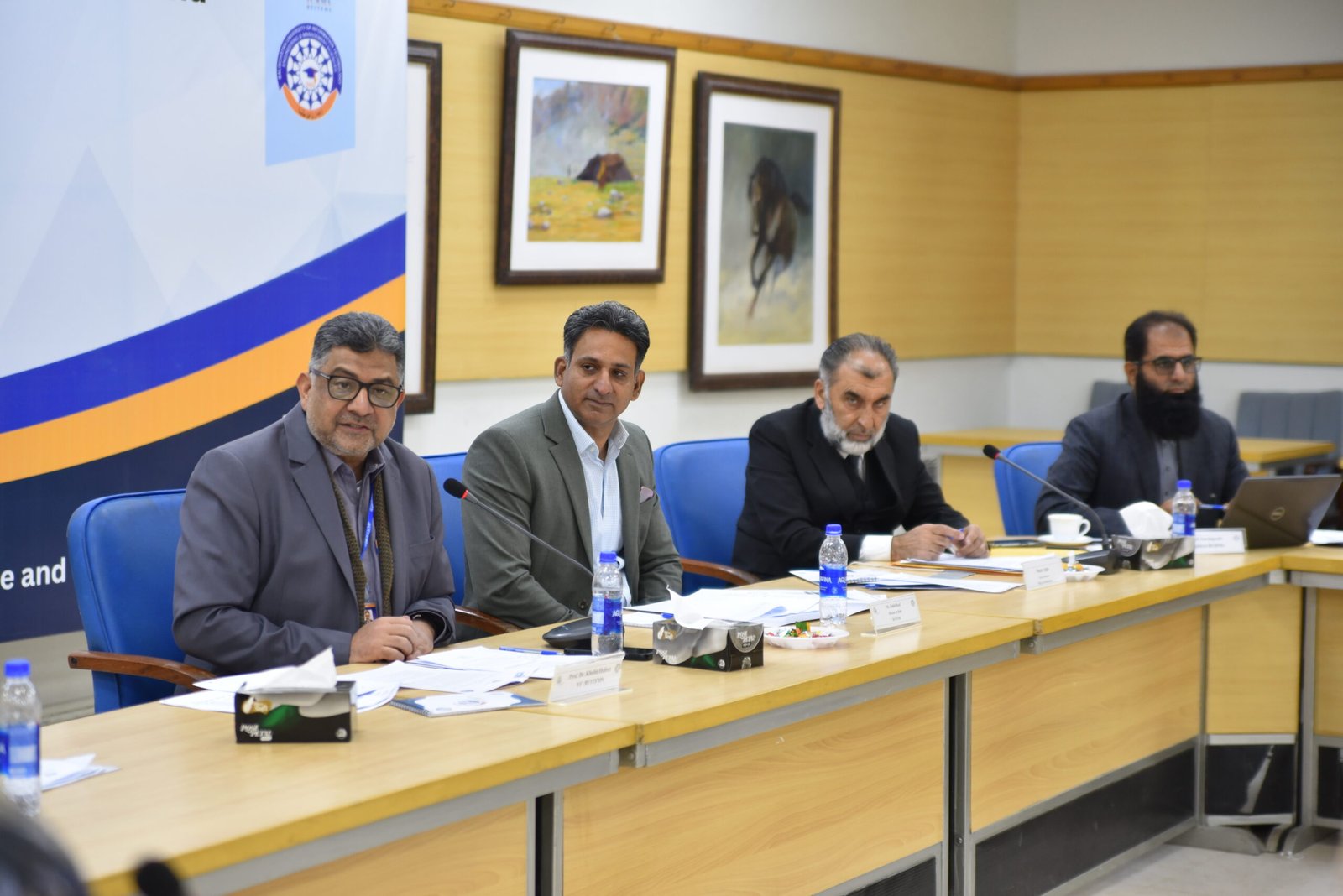
In his concluding remarks, Prof. Dr. Khalid Hafeez, Vice Chancellor of BUITEMS, appreciated the collaborative efforts of ICRMS, UNHCR, and the participating universities and institutions. He emphasized the importance of creating an enabling academic environment for Afghan refugee students and reaffirmed BUITEMS’ commitment to promoting inclusive and equitable access to higher education. Prof. Dr. Khalid Hafeez highlighted the need for sustained coordination among stakeholders, evidence-based policymaking, and practical interventions to address the ongoing academic, legal, and financial challenges faced by refugee learners. He noted that initiatives like the recently conducted Crash Course have had a significant impact, equipping refugee students with essential skills, boosting their confidence, and enhancing their readiness for higher education. He encouraged all participants to continue working collectively toward long-term solutions that ensure educational stability, protection, and empowerment for refugee students in Balochistan.
Reported by Muhammad Asif
Reporting Associate

