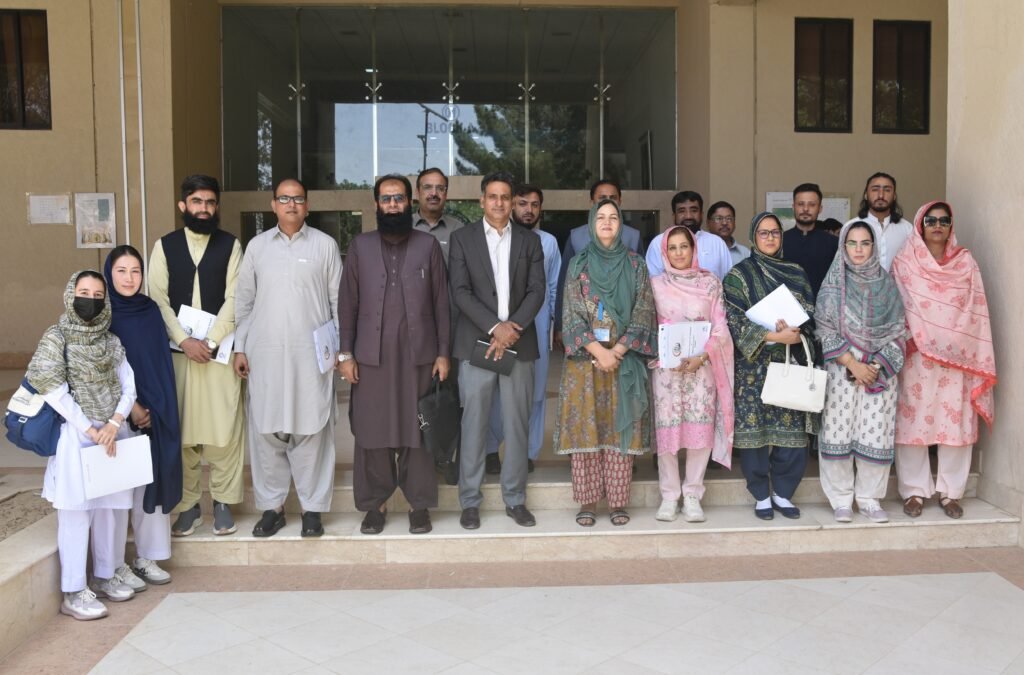
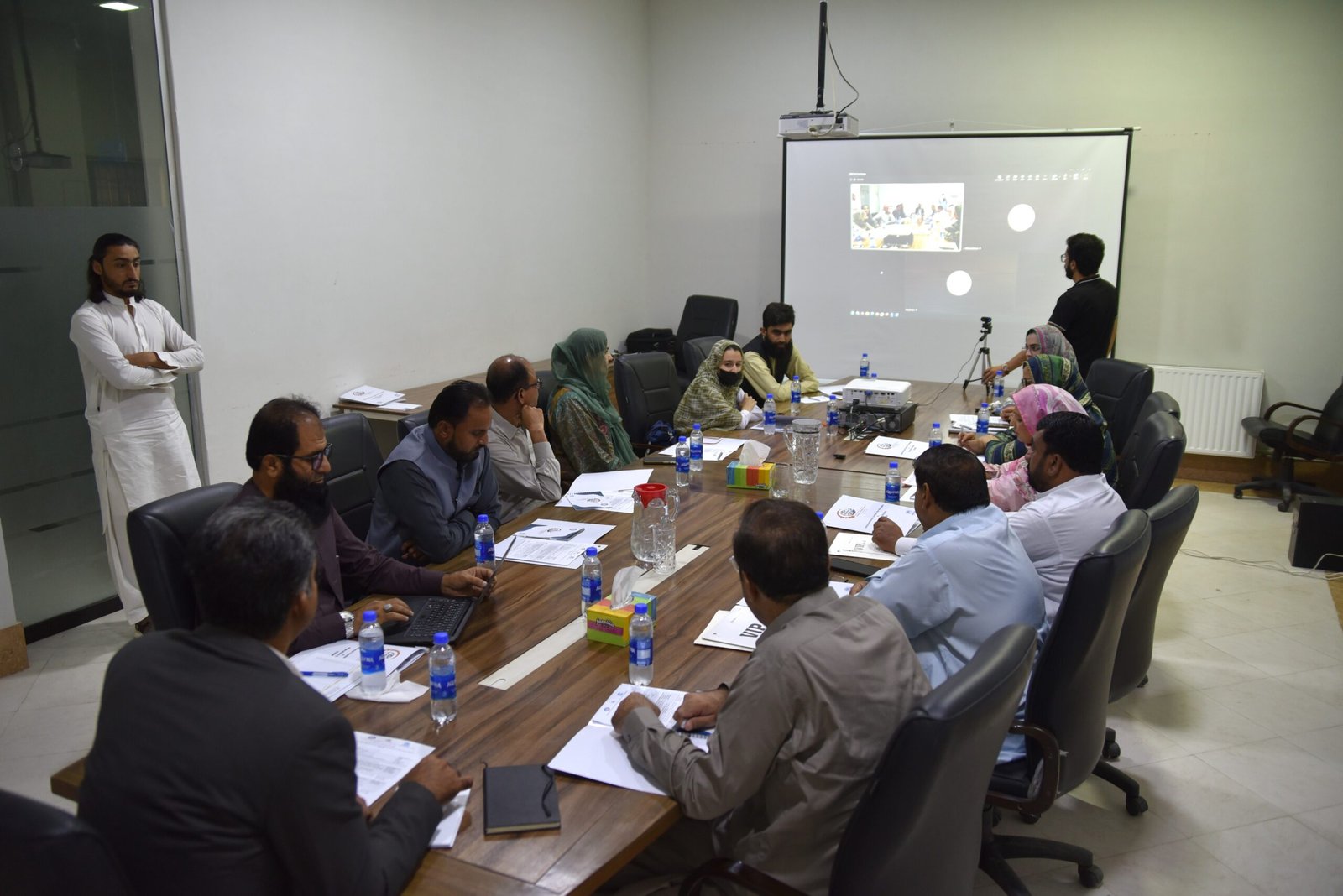
On 22 June 2026, the International Center for Refugee and Migration Studies (ICRMS), conducted its First Provincial Task Force Meeting of year 2026 at BUITEMS to enhance access to higher education for refugee students in Balochistan. The meeting was attended by the representatives from BUITEMS, University of Balochistan (UoB), University of Loralai (UoL), HEC Regional Centre Quetta, United Nations High Commissioner for Refugees UNHCR, Inspire Pakistan, and Refugee Students. Discussions focused on strengthening institutional coordination, ensuring academic continuity, and safeguarding the educational rights of refugee students.
The proceedings commenced with the registration of participants, followed by the recitation of verses from the Holy Quran and a round of introductions. Opening remarks were delivered Dr. Zahid Rauf, Director, ICRMS, who emphasized the importance of continued collaboration among stakeholders. He highlighted the need to protect the academic progress of already enrolled refugee students and briefed participants on progress made since the 2025 Task Force meetings.
He explained that the Provincial Task Force, established in 2023, aims to improve refugee students’ access to higher education in Balochistan by addressing admission challenges, degree recognition, documentation issues, and advocating for inclusive university policies. He also noted that ICRMS had organized preparatory courses to help refugee students qualify for NTS examinations.
Dr. Zahid highlighted that recent legal and policy changes have made access to higher education more difficult. New refugee students are now required to enroll as international students using valid passports and visas, but most cannot afford the higher international tuition fees. He recalled earlier discussions on finding ways to allow refugee students to pay domestic tuition fees despite their international status.
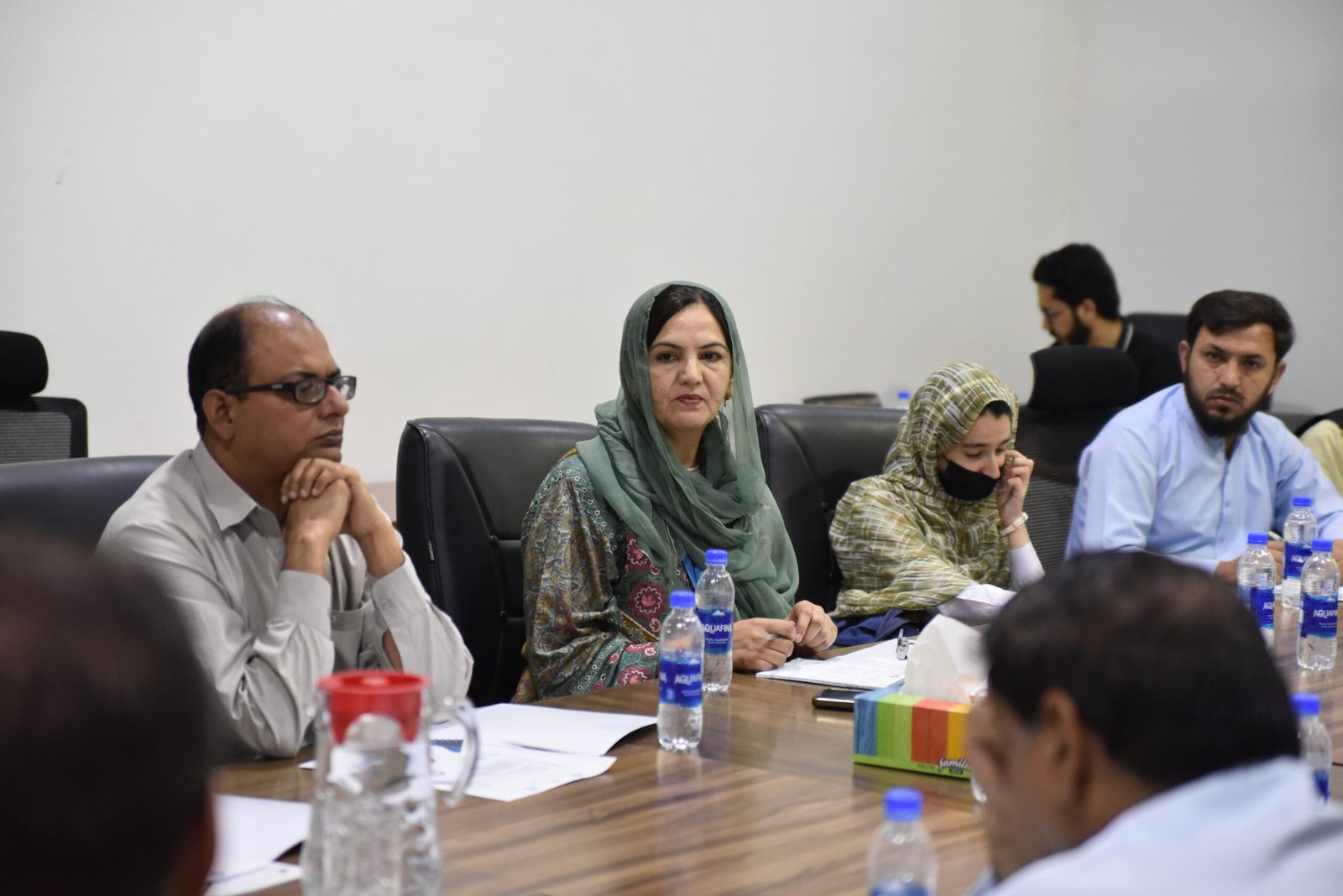
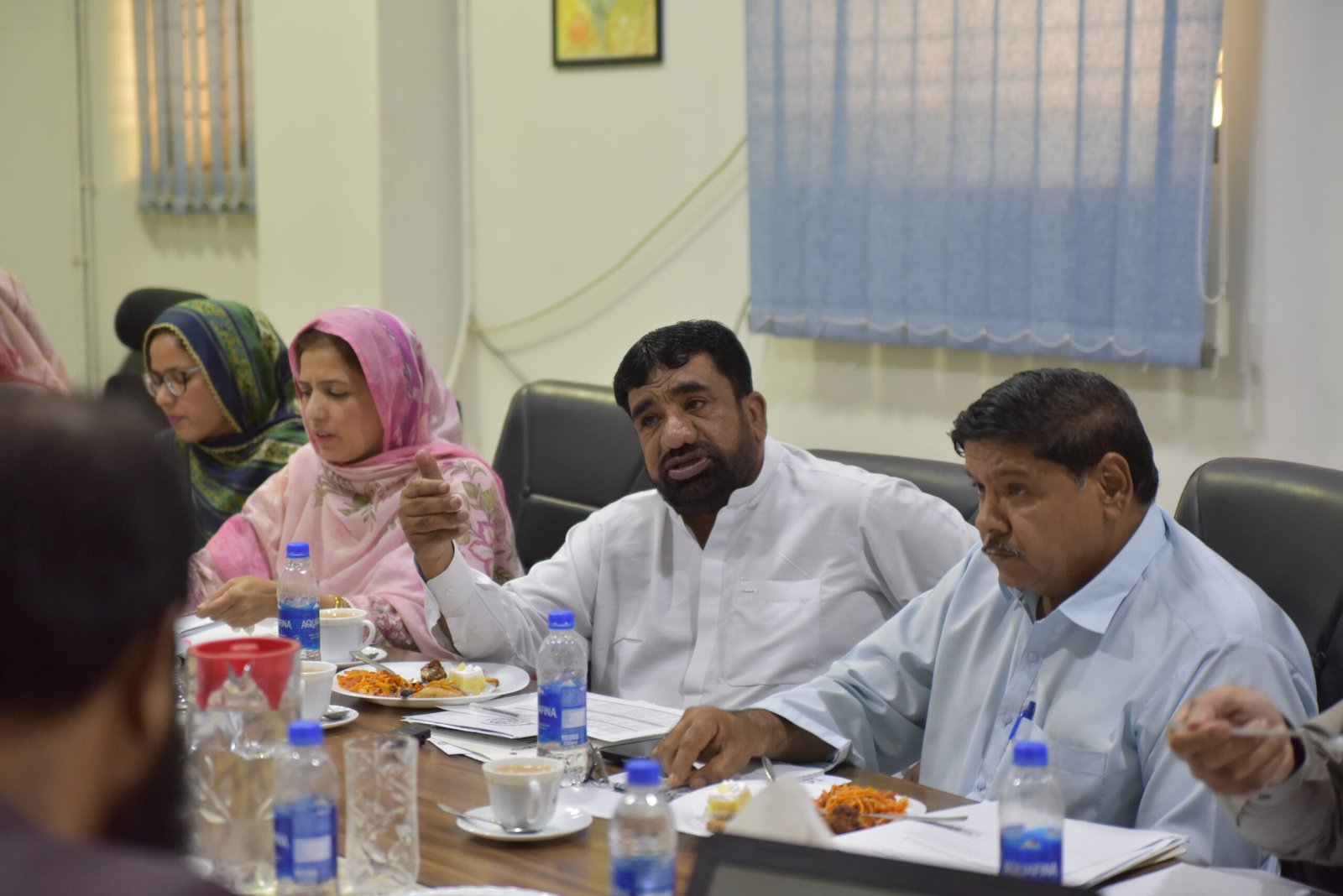
He stressed that the Task Force’s immediate priority is to ensure the academic continuity of currently enrolled refugee students by addressing issues such as mobility restrictions, attendance, missed coursework and examinations, assignment deadlines, and degree verification and attestation. He also informed participants that ICRMS continues to assist refugee graduates facing documentation and attestation challenges.
Moderated Session on Key Themes
The meeting featured detailed discussions on several key issues affecting refugee students. Participants discussed ways to strengthen protection mechanisms for refugee students, the proposal to classify them as international students while charging domestic tuition fees, progress on degree verification for graduates, and updates on the implementation of the Letter of Understanding (LoU) with Inspire Pakistan.
The meeting also focused on the suspended medical seats at Balochistan Medical College (BMC) and reserve seats at other universities. Participants discussed alternative academic pathways and institutional support mechanisms to ensure educational continuity and provide greater academic flexibility for refugee students facing legal, mobility, and documentation challenges.
Recommendations
Policy & Coordination
- In second Task Force meeting, ICRMS may encourage the participation of Vice Chancellors of Public universities of Balochistan where refugee students are enrolled and ensure follow-up on key challenges and recommendations of first Task Force Meeting of 2026.
- The respected Vice Chancellors may request the Higher Education Commission (HEC), Ministry of Interior, and Ministry of Federal Education and Professional Training to advocate for policy clarity and possible relaxation measures for refugee students.
- Universities may formalize flexible academic pathways (semester freeze, assignment-based assessment, distance learning where feasible).
- Universities may review feasibility of associate degree awards for students unable to complete full programs.
- Expand LoU model (BUITEMS–Inspire Pakistan) to other universities for direct fee transfer mechanisms.
- Ensure uninterrupted scholarship continuity for students affected by bank account closures or documentation gaps.
Conclusion
The Provincial Task Force Meeting I–2026 reaffirmed the shared commitment of higher education institutions, UN agencies, and development partners to safeguarding the academic continuity and protection of refugee students enrolled in universities across Balochistan. While participants acknowledged the evolving legal and policy constraints affecting admissions, mobility, and degree recognition, there was a strong consensus on the need for coordinated institutional responses and humanitarian considerations to support currently enrolled students. The meeting highlighted the importance of strengthened inter-agency coordination, flexible academic arrangements, improved protection mechanisms, and continued engagement with relevant government authorities to ensure that refugee students are able to complete their education in a safe, dignified, and supportive environment.
Reported by Muhammad Asif
Reporting Associate

