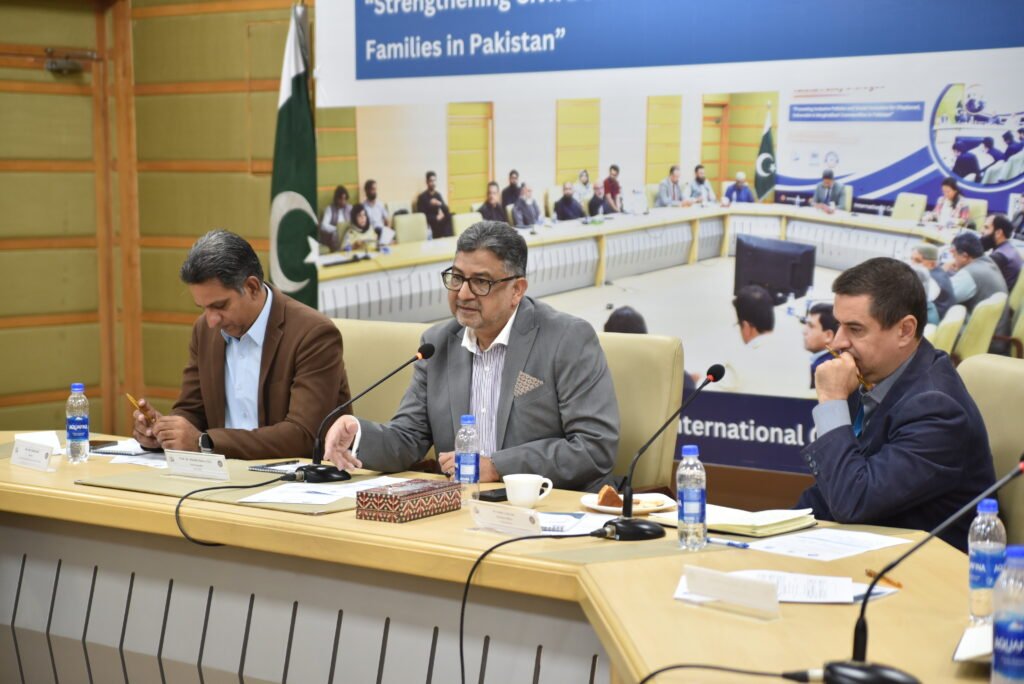
On 10 November 2026, the International Centre for Refugee and Migration Studies (ICRMS), BUITEMS, in partnership with the United Nations High Commissioner for Refugees (UNHCR), organized its Second Policy Dialogue on the theme “Strengthening Civil Documentation and Legal Identity for Vulnerable and Mixed-Status Families in Pakistan.”
The session provided a multi-sectoral platform for relevant stakeholders to discuss the challenges faced by displaced and marginalized communities in Pakistan and explore inclusive, coordinated, and protection-sensitive approaches to addressing their needs. Particular attention was given to mapping documentation gaps among vulnerable and mixed-status families; examining the relationship between legal identity and access to fundamental rights and essential services; exploring administrative remedies, legal safeguards, and mechanisms for recourse for individuals facing documentation-related challenges; and assessing institutional frameworks, potential reforms, and the way forward.
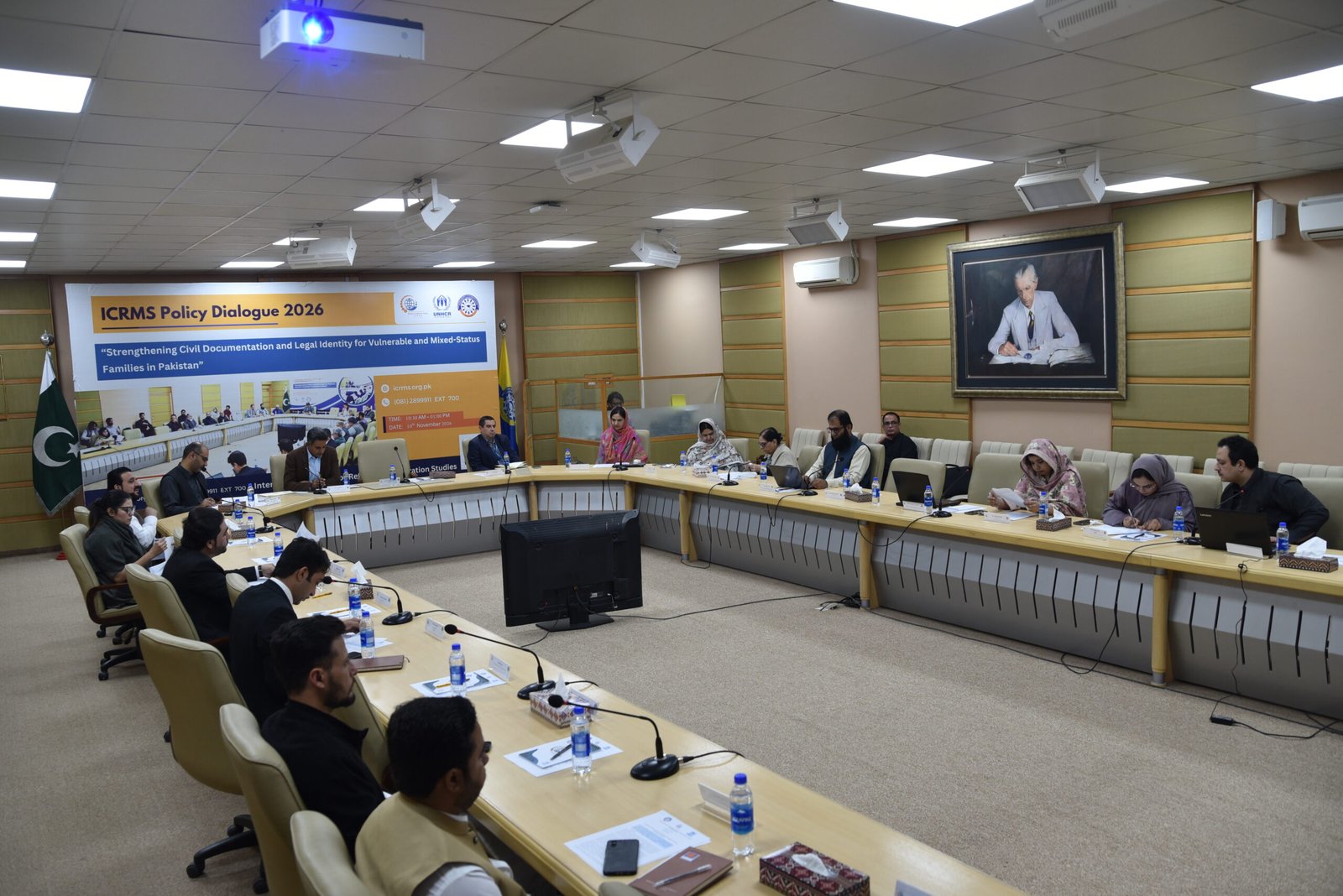
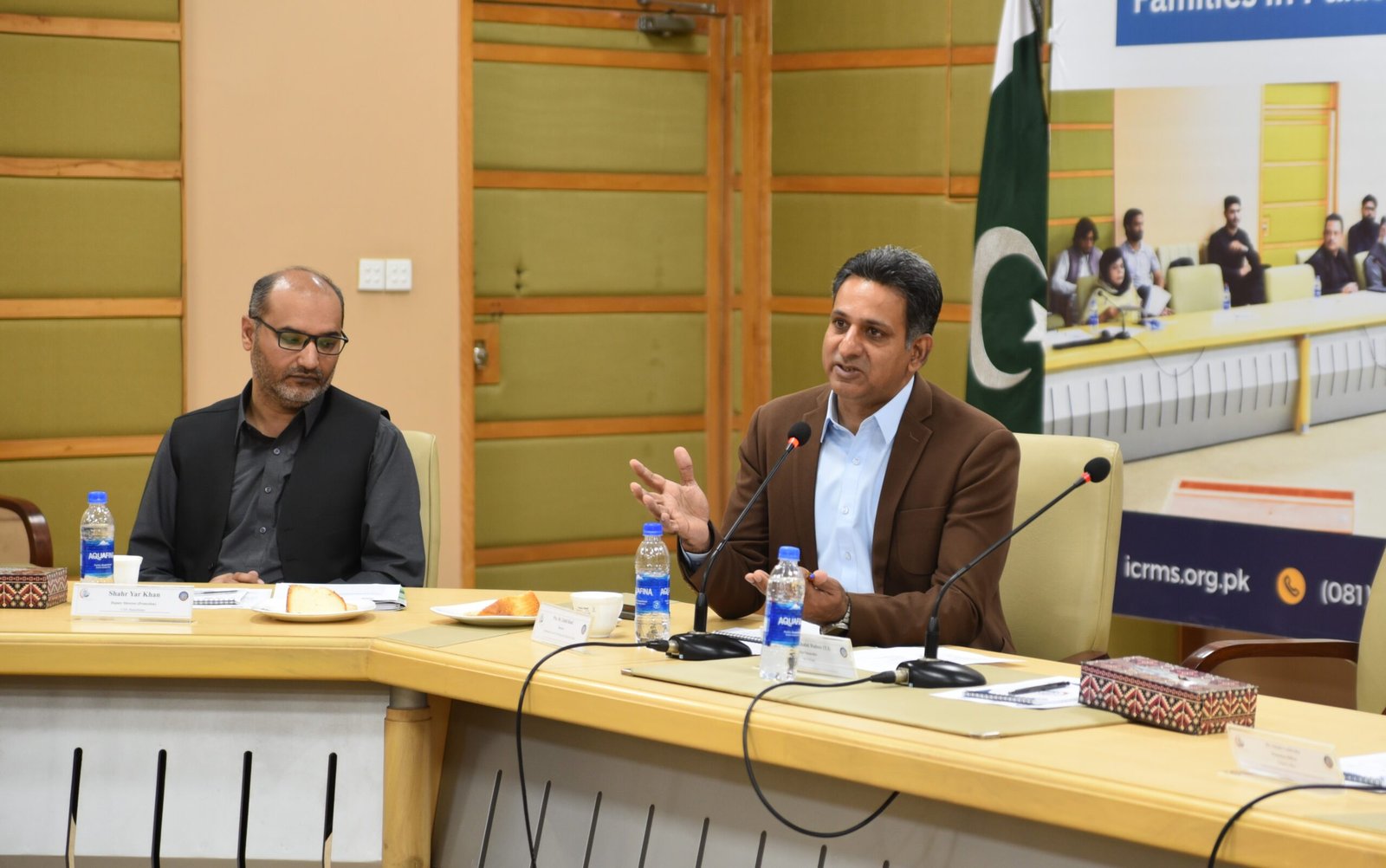
The event brought together representatives from academia, provincial government, international organizations, social development sector organizations, human rights bodies, civil society members, and law experts. The diverse participation facilitated the exchange of perspectives and practical experiences while strengthening stakeholder engagement and dialogue on coordinated responses and support mechanisms for displaced and marginalized communities in Pakistan.
The event commenced with the recitation of the Holy Quran, followed by a round of introductions among the participants. The opening remarks was delivered by Prof. Dr. Zahid Rauf, Director, ICRMS-BUITEMS. He welcomed the distinguished guests, government representatives, development partners, and participants, and appreciated the continued collaboration between ICRMS, BUITEMS, and UNHCR. He highlighted the importance of civil documentation and legal identity in ensuring dignity, protection, and fundamental rights for vulnerable and mixed-status families. He emphasized the challenges faced by undocumented individuals in accessing education, healthcare, social protection, and essential public services.
The event moderator, Dr. S.M. Nabeel Ul Haq, Director Population Research Centre, delivered a presentation on “Civil Documentation and Legal Identity for Vulnerable and Mixed-Status Families in Pakistan,” based on desk research with particular focus on Balochistan. The presentation highlighted key documentation challenges, including gaps in birth registration, CNICs, Proof of Registration (PoR) cards, and legal identity, presenting relevant statistics from government reports. It also discussed the documentation challenges faced by refugees and mixed-status families and the impact of these barriers on access to education, healthcare, employment, and other essential services.
A moderated discussion session followed the presentation, focusing on the following key thematic areas:
- Documentation Gaps Among Vulnerable and Mixed-Status Families: Challenges related to CNICs, birth registration, Proof of Registration (PoR) cards, Afghan Citizen Cards (ACC), and undocumented family members.
- Legal Identity and Access to Essential Services: The impact of documentation barriers on access to education, healthcare, employment, financial services, and legal protection, particularly for women, children, and marginalized groups.
- Administrative Remedies and Legal Safeguards: Existing administrative and legal remedies, access to legal assistance, risks of statelessness, arbitrary detention, exploitation, and documentation challenges arising from repatriation and border-management policies.
- Institutional Coordination and Policy Reforms: The roles of NADRA, government departments, judiciary, civil society organizations, and international partners in addressing documentation gaps and strengthening legal identity systems.
- Inclusive and Rights-Based Documentation Mechanisms: Development of accessible documentation pathways, effective referral systems, confidentiality safeguards, and sustainable solutions for vulnerable and mixed-status families.
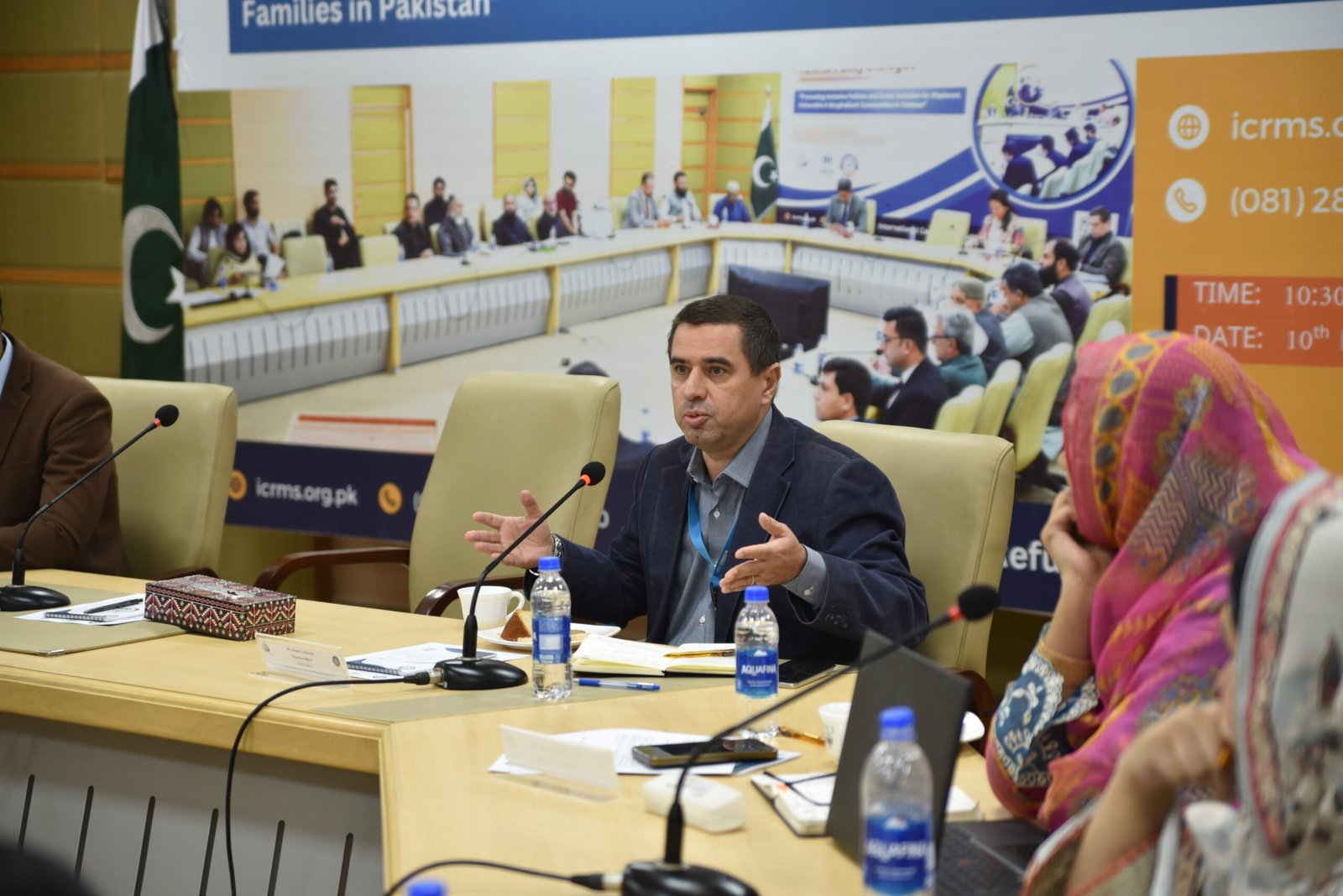
Remarks by Mr. Arkadiy Leybovskiy – Protection Officer, UNHCR emphasized the importance of civil documentation, particularly birth certificates, in ensuring legal identity and access to essential services. He highlighted that documentation becomes especially important in unexpected and challenging situations, including displacement, movement to other countries, and eventual return to one’s home country.
He stressed that birth registration and other essential civil documents play a vital role in protecting individuals and safeguarding their rights. He further suggested identifying the most essential document as a starting point for a comparative review and encouraged relevant stakeholders to assess the existing gaps and take practical steps towards addressing documentation challenges.
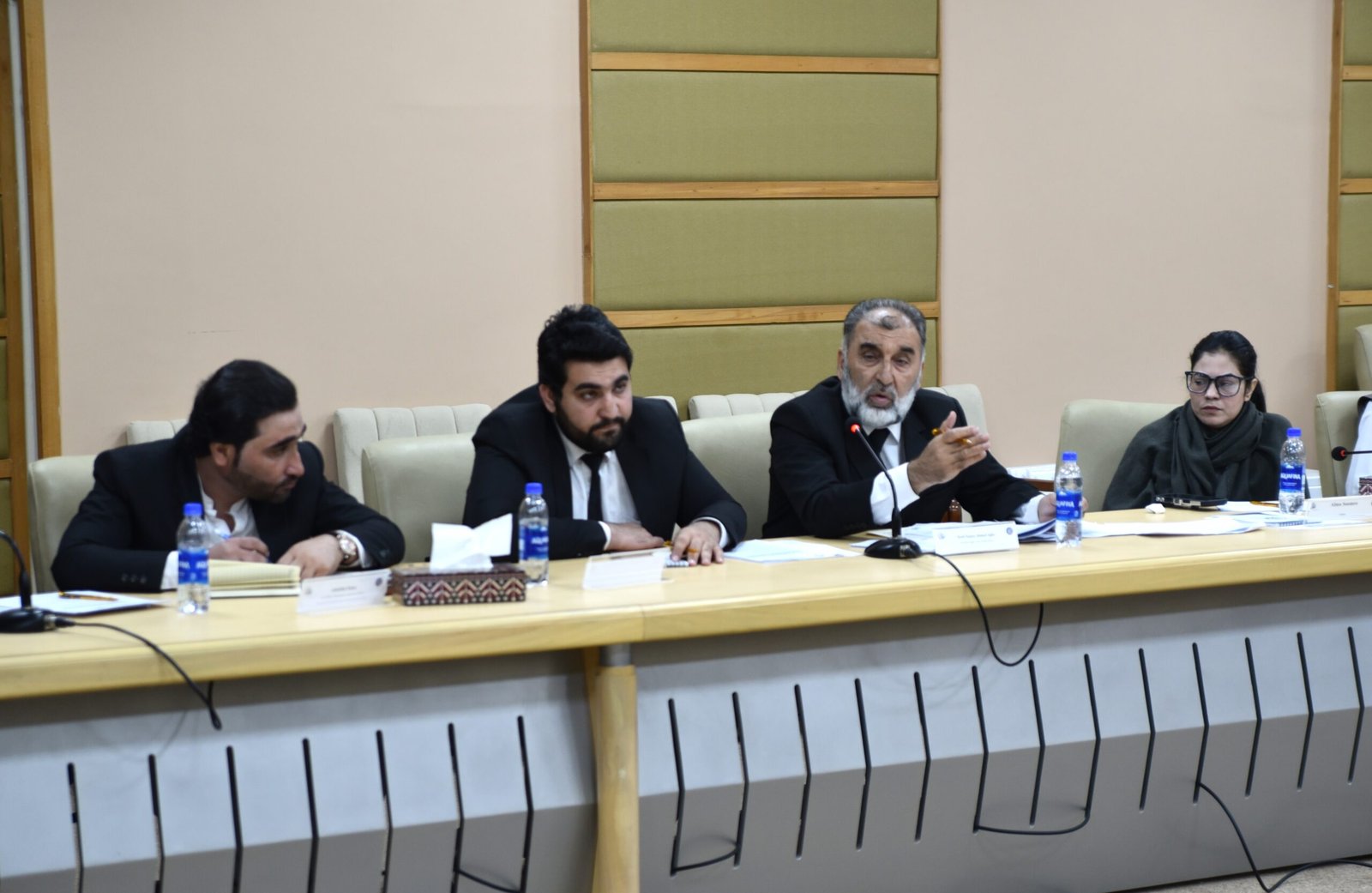
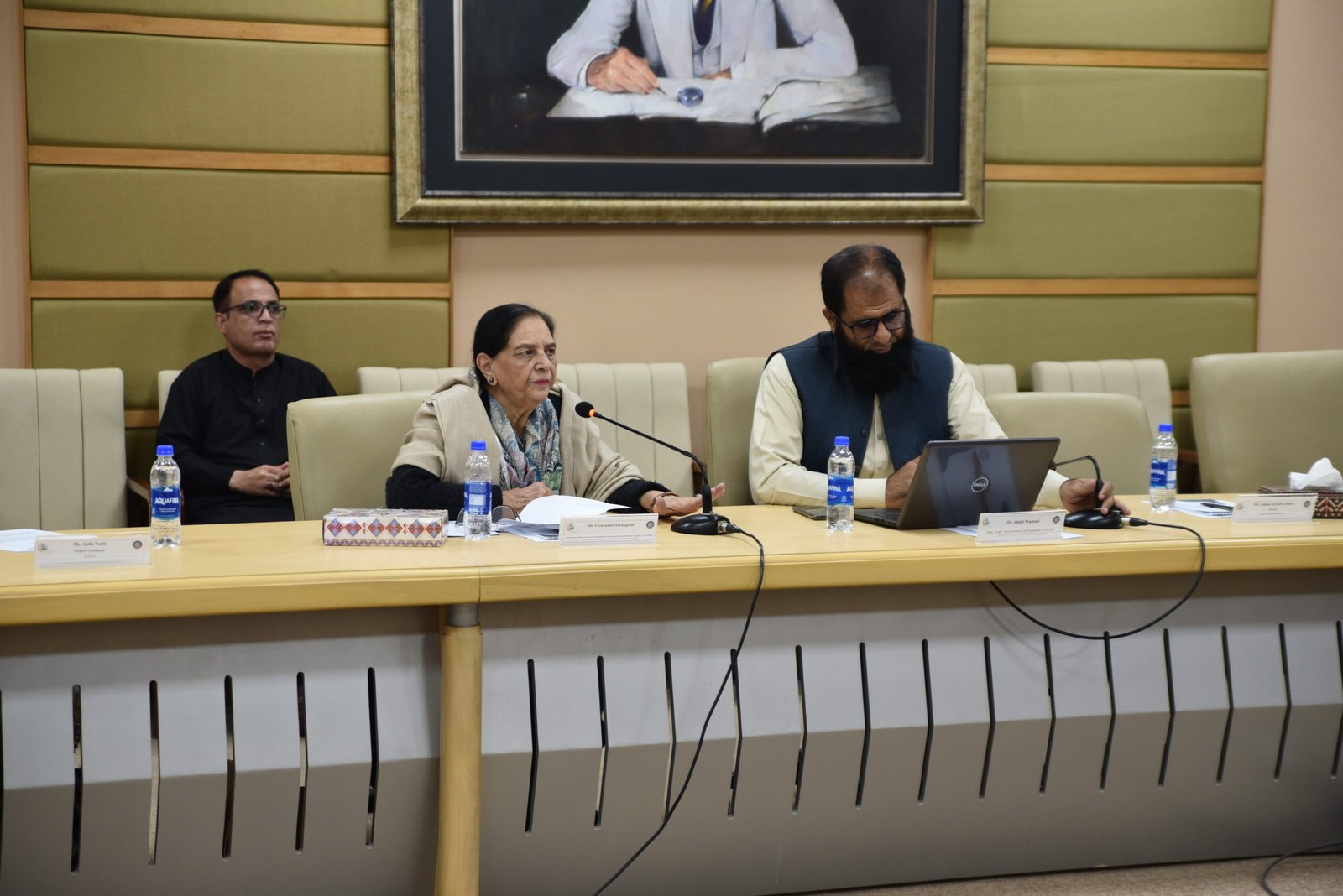
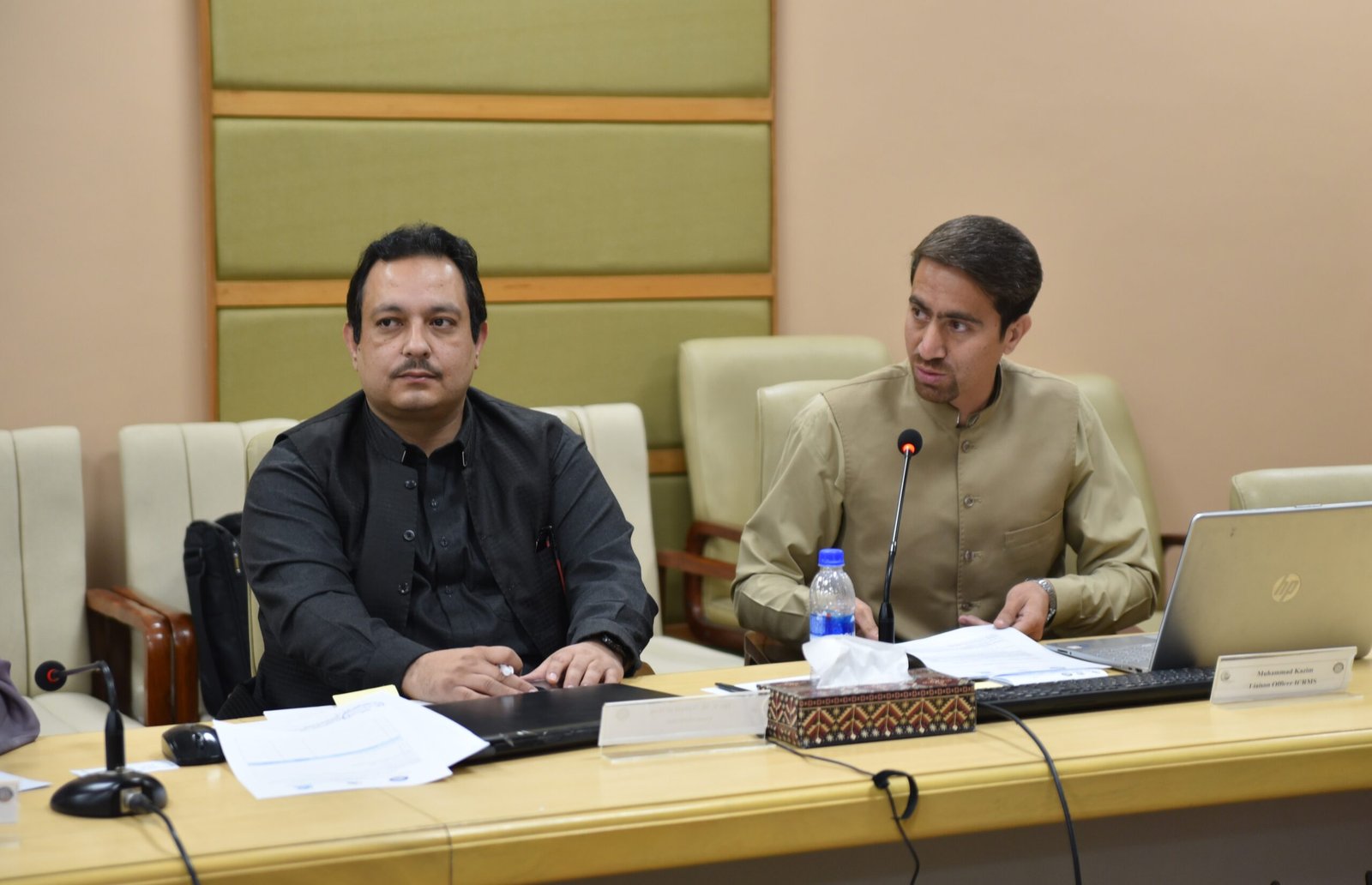
The closing address was delivered by the Vice Chancellor, BUITEMS, Prof. Dr. Khalid Hafeez (T.I), who expressed his gratitude to the distinguished guests, UNHCR, government institutions, human rights organizations, and partner organizations for their valuable participation. He appreciated ICRMS for organizing the session and highlighted the importance of translating the discussions into practical and actionable policy recommendations. He emphasized the need to establish focused working groups to develop concrete recommendations addressing displacement and migration from legal, economic, technological, and social inclusion perspectives.
He concluded by encouraging continued collaboration, stronger institutional coordination, and collective efforts among stakeholders to develop sustainable and inclusive responses to strengthening civil documentation and legal identity for vulnerable and mixed-status families in Pakistan.
Reported by Muhammad Asif
Reporting Associate

