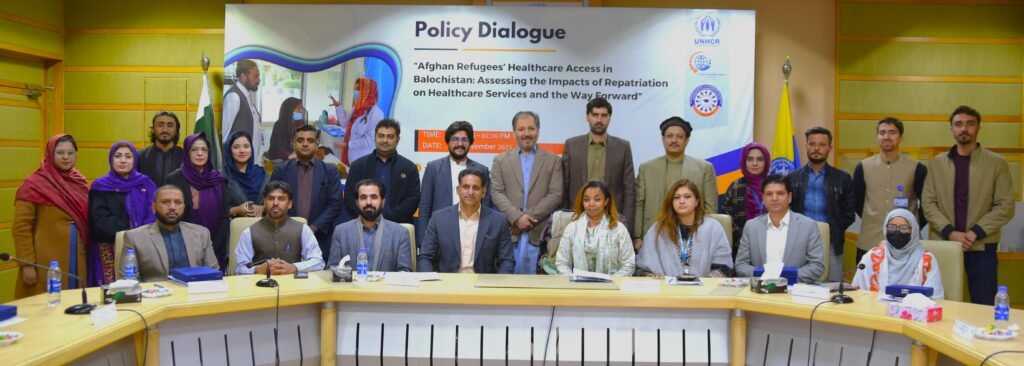
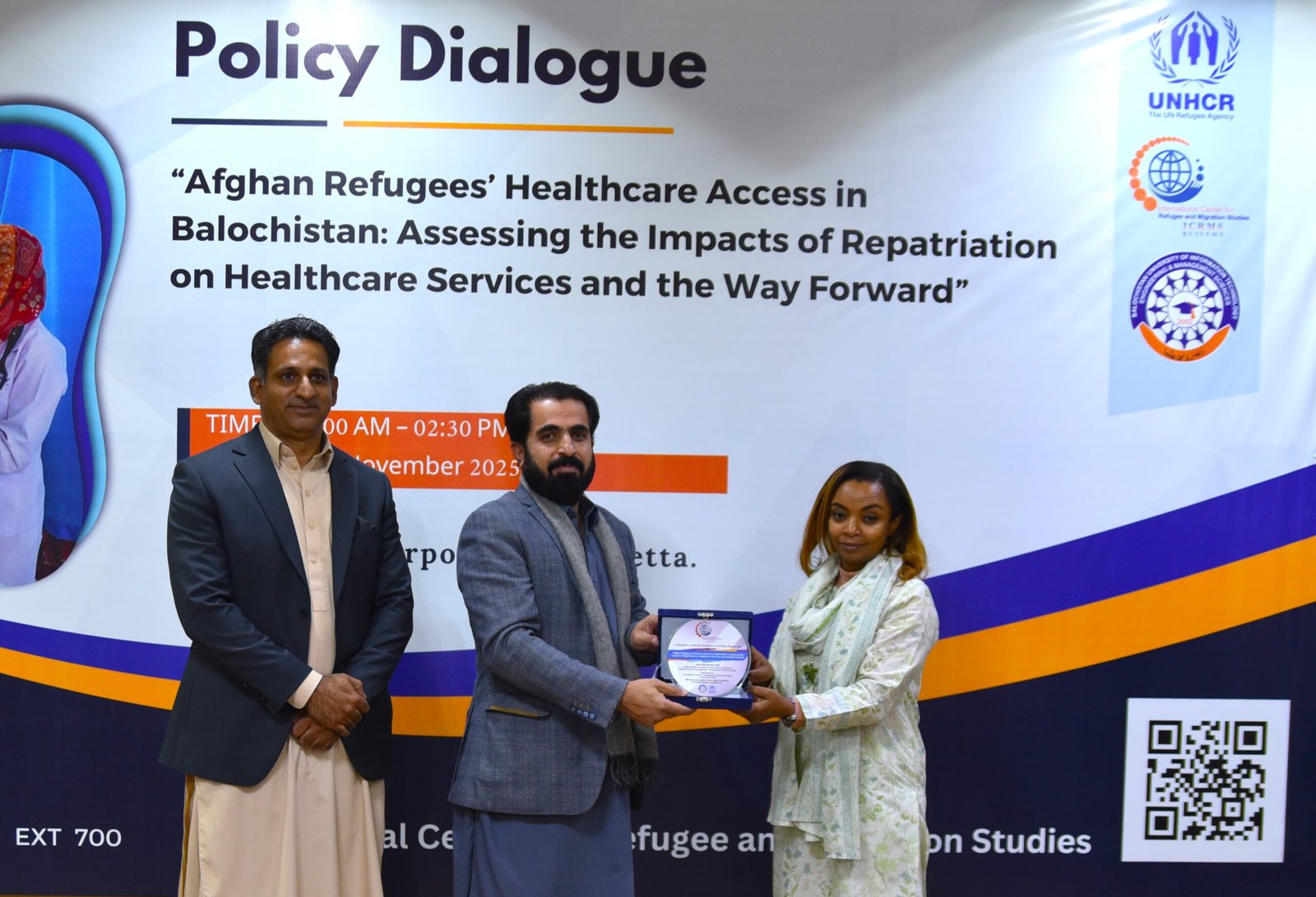
The International Center for Refugee and Migration Studies (ICRMS), in partnership with the United Nations High Commissioner for Refugees (UNHCR), organized Third Policy Dialogue on 26 November 2025 to examine the complex and evolving healthcare challenges. faced by Afghan refugees during the third phase of the Illegal Foreigners’ Repatriation Plan (IFRP-2023). The dialogue aimed to understand the impact of repatriation on healthcare access, assess the vulnerabilities of women, children, the elderly, and persons with special needs, evaluate healthcare conditions at border points, and identify existing policy gaps while proposing practical, evidence-based recommendations. The session brought together multi-sectoral stakeholders from government institutions, academia, NGOs, INGOs, UN agencies, and humanitarian organisations, contributing to a comprehensive analysis of the issue. The event commenced with guest registration, followed by the recitation of the Holy Quran and an introductory video highlighting the work and contributions of ICRMS.
The dialogue was attended by distinguished representatives from key public, private, and humanitarian institutions, including Dr. Sahira Paras, Deputy Medical Superintendent (DMS), BMC Health; Dr. Ghazala Inayat, Deputy Director Health, Government of Balochistan; Mr. Ali Raza, Balochistan Coordinator, NCHR; Shoaib Baloch, Project Coordinator (Support), MSF; Dr. Moiz, Benazir Health Department; Mohsin Niazi, Admin Manager, PEOC/CM-Complaint, PDMA; Dr. Jahanzaib, Assistant District Health Officer (ADHO), Health Department Quetta; Muhammad Akbar Nasar, Director MER, PPHI Balochistan; Syed Noo Uddin, Assistant Public Health Officer, UNCH; Syed Tahir Ali, Nutrition Specialist, UNICEF; Abdullah Khan, Regional Manager, Alkhidmat Foundation; Sadia Jaffar, Field Manager, HAQDAR; Dr. Syed Muhammad Nabeel ul Haq, Assistant Professor, Economics Department; and Dr. Asghar Ali Jamali, Deputy Director (Rescue), PDMA. Their participation added valuable technical expertise and enriched the policy discussions with insights from diverse sectors.Prof. Dr. Zahid Rauf, Director of ICRMS, welcomed the participants and emphasized the importance of collaborative, evidence-based, and humanitarian approaches to supporting vulnerable Afghan refugees during the ongoing repatriation process. He appreciated UNHCR’s continued partnership and acknowledged BUITEMS’ role in providing an effective platform for meaningful policy engagement.
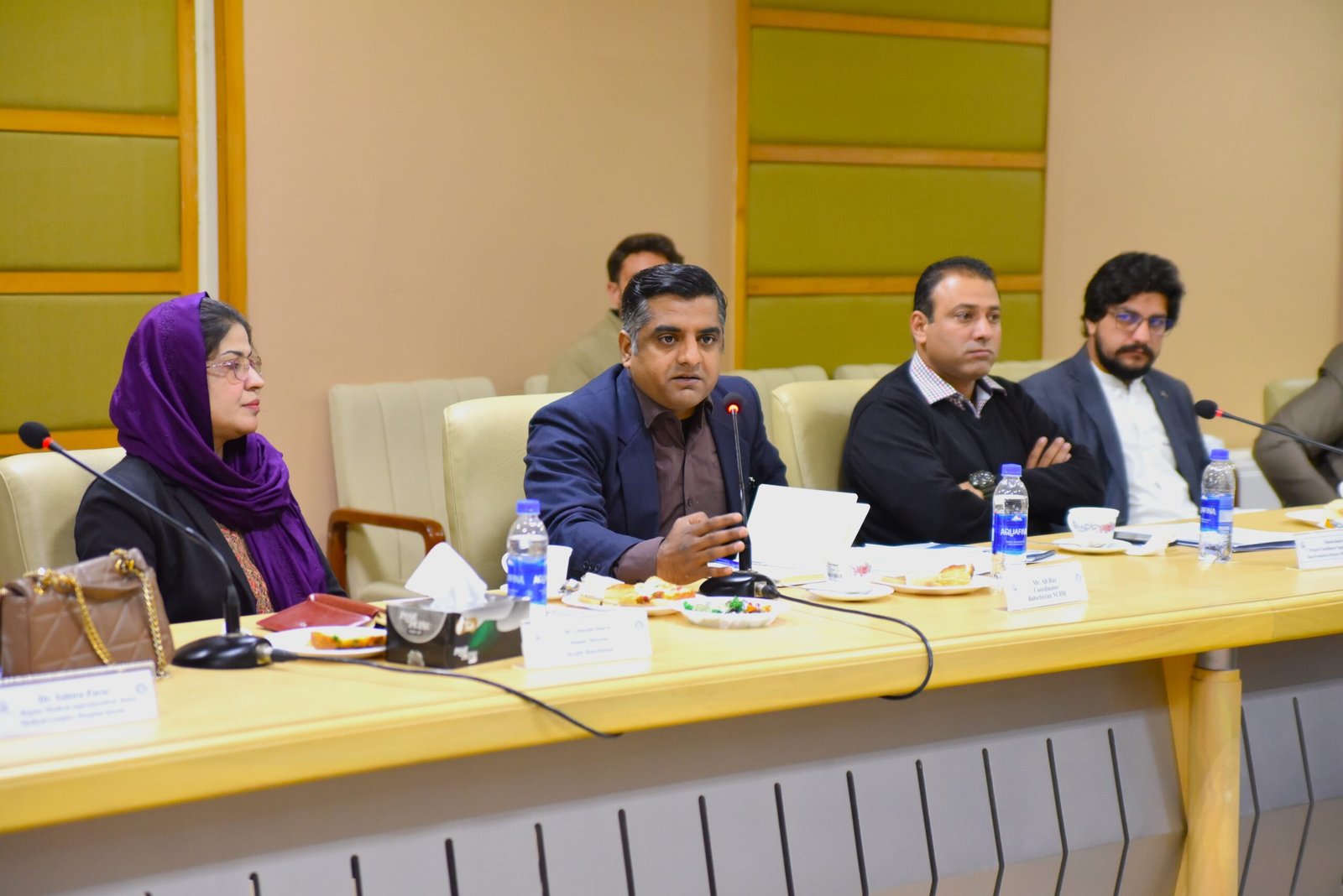
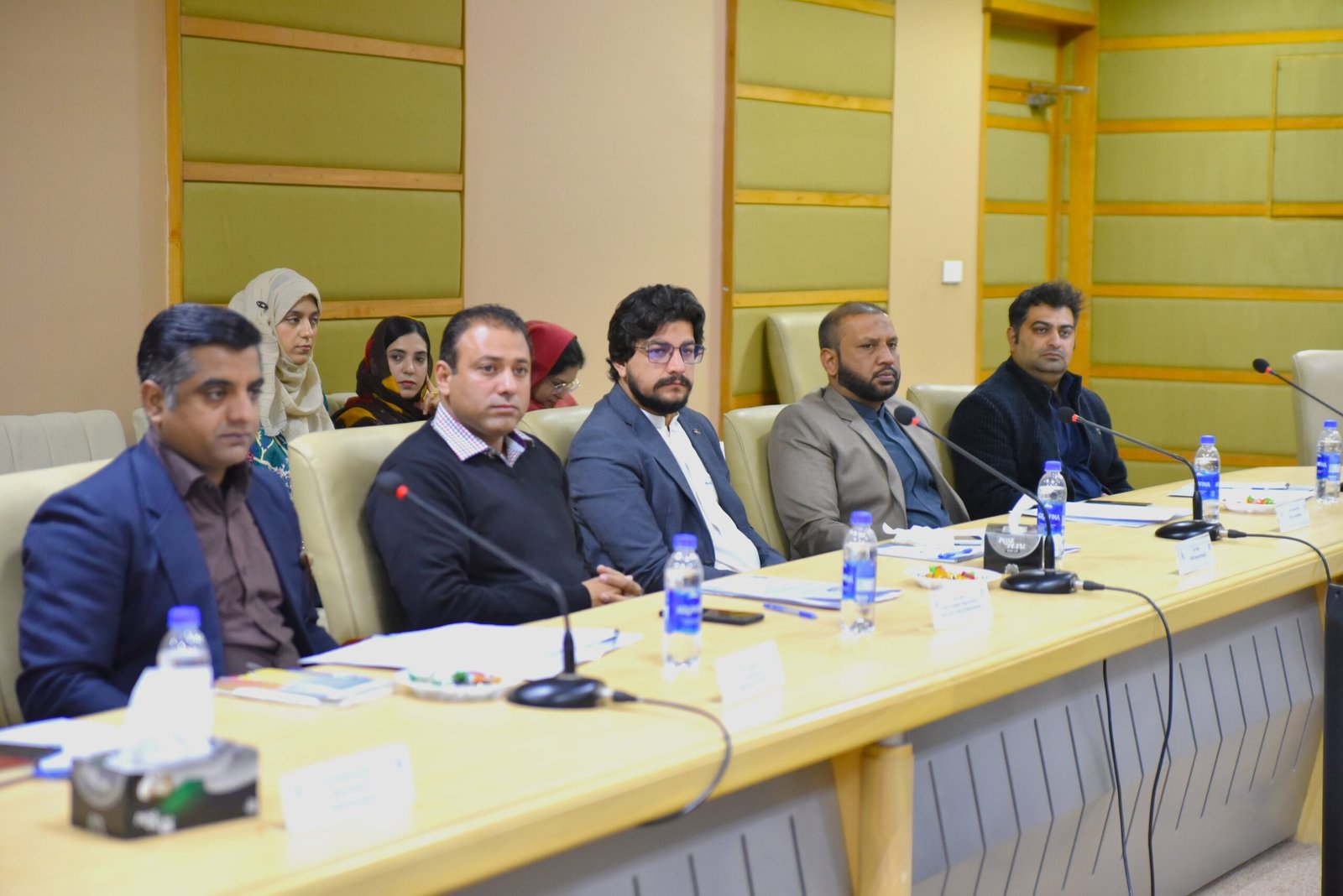
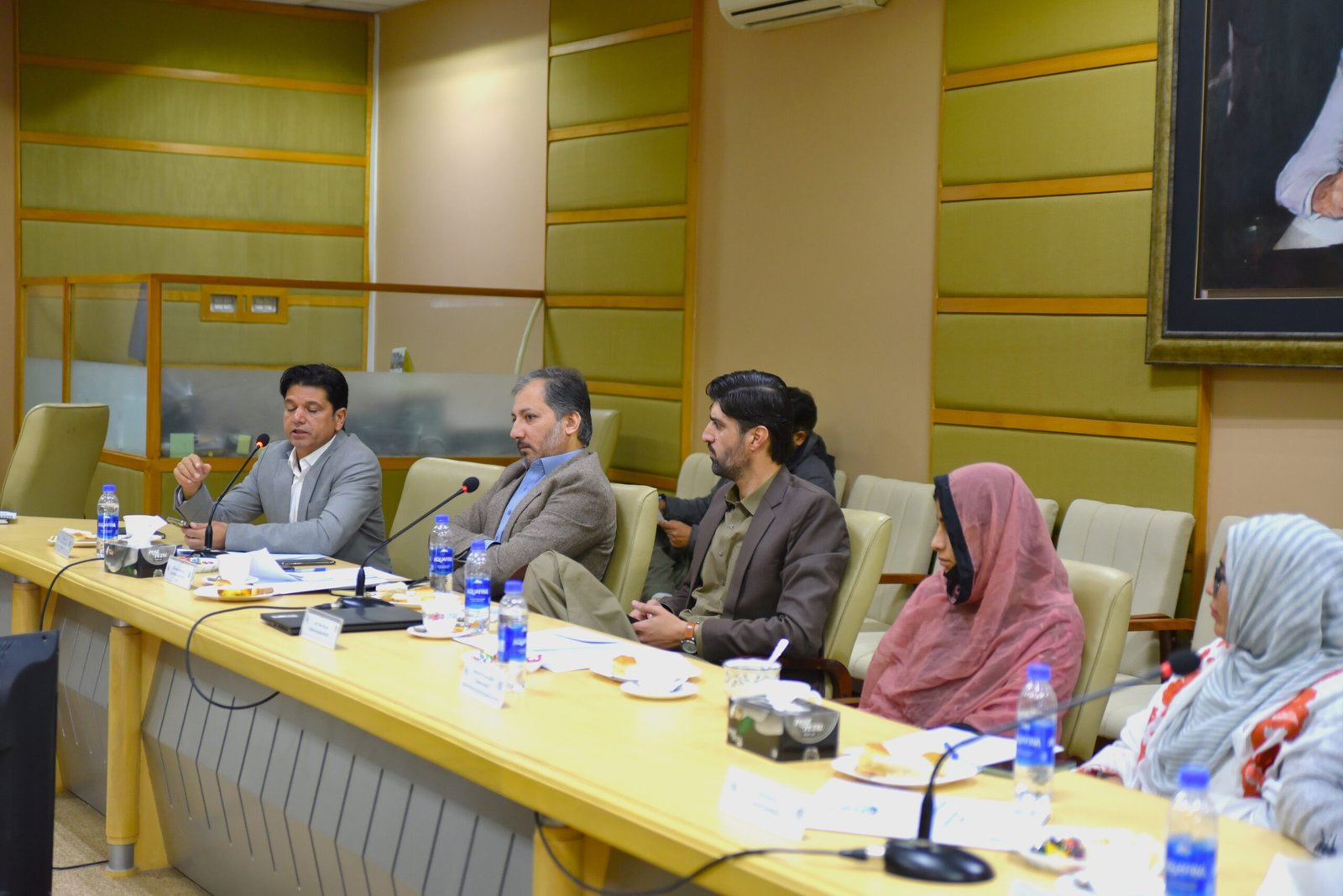
Following the opening remarks, Dr. Nabeel Ahmed presented an in-depth overview, covering:
- Healthcare access issues during repatriation;
- Challenges at border crossing points;
- Gaps in healthcare support for vulnerable groups;
- The fragile state of Afghanistan’s health system;
- Policy gaps within Pakistan’s returnee support structures.
His presentation set a strong foundation for the subsequent thematic discussions.
Thematic Discussion
Theme 1: Healthcare Access During Repatriation and Border Movements
Participants highlighted fear-driven avoidance of hospitals among refugees, limited access to maternal and chronic disease care, challenges faced at congested and underserved border points, and the urgent need for medical desks, mobile clinics, and protection-sensitive procedures during repatriation.
Theme 2: Healthcare Access in Border Crossing Areas — Facilities, Accessibility & Awareness
Discussions focused on the scarcity of health facilities and emergency services at border areas, lack of female medical staff, limited awareness among refugees about available services, and the need for improved referral pathways and dedicated border health units.
Theme 3: Border Closures, Health, and WASH Challenges
The session emphasized that prolonged border closures intensify maternal health complications, disrupt childhood immunizations, heighten vulnerabilities for persons with disabilities, and increase malnutrition and disease outbreaks due to inadequate WASH infrastructure. Experts stressed the need for gender-sensitive and disability-inclusive responses.
Theme 4: Institutional Roles, Disaster Response & System Capacity
Participants examined gaps in coordination among government departments, INGOs, and UN agencies; the overburdened capacity of provincial health systems; and insufficient emergency preparedness in refugee-populated areas. Strengthening multisectoral coordination and enhancing data-sharing mechanisms were identified as key areas for improvement.
Theme 5: Afghanistan’s Health System & Pakistan’s Returnee Policy
Speakers assessed Afghanistan’s overstretched health system—marked by severe shortages of medical staff, supplies, and maternal health services—and its limited capacity to absorb large-scale returnees. Policy gaps in Pakistan’s repatriation framework were also discussed, emphasizing the need for humanitarian safeguards, cross-border health coordination, and long-term resilience planning.
- Policy Recommendations
- Introduce a humanitarian stay mechanism for vulnerable groups (pregnant women, widows, unaccompanied women, persons with disabilities, and individuals with verified medical conditions) based on documented evidence.
- Reduce and simplify visa fees and procedures, making them affordable for low-income refugees, and introduce flexible visa options for patients, students, and seasonal laborers.
- Ensure protection from detention or deportation for refugees receiving medical treatment, follow-ups, or hospitalization, with clear instructions to law enforcement agencies.
- Establish cross-border medical referral and coordination mechanisms between government departments, UN agencies, INGOs, and MSF to support urgent health cases.
- Expand access to healthcare through health insurance coverage, mobile health units, CHW outreach, maternal and child health services, and health support desks in refugee-populated areas.
- Develop inclusive policies for vulnerable minority and gender groups, including ethnic and religious minorities, transgender persons, women, artists, musicians, students, and individuals awaiting resettlement.
- Use reports from all ICRMS–UNHCR dialogues for advocacy with the Chief Secretary, Home Department, Ministry of Interior, NCHR, and other relevant authorities.
- Strengthen emergency preparedness by training communities through PDMA and partner organizations on basic health and emergency response, supported by formal MoUs.
Concluding Remarks
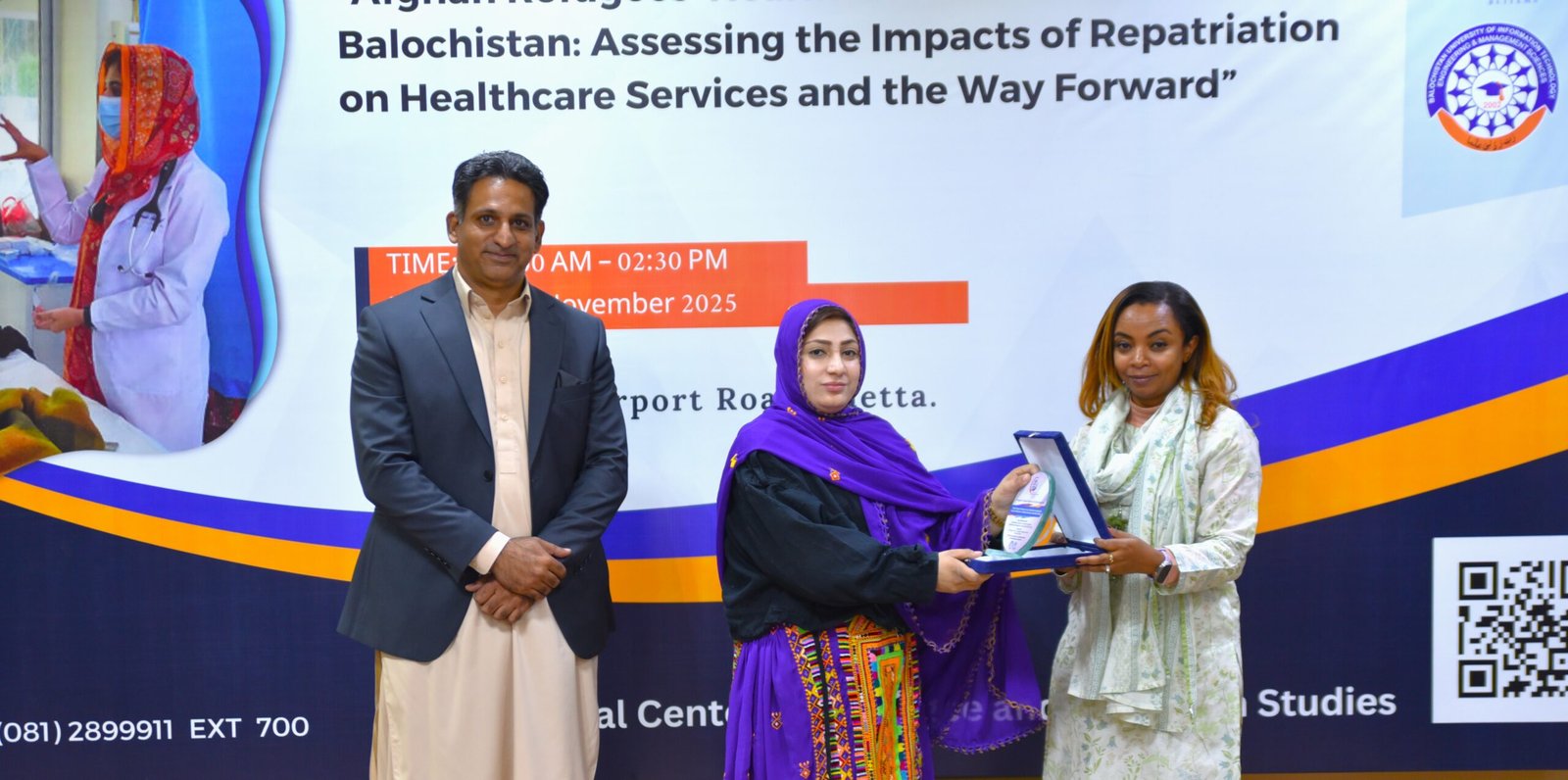
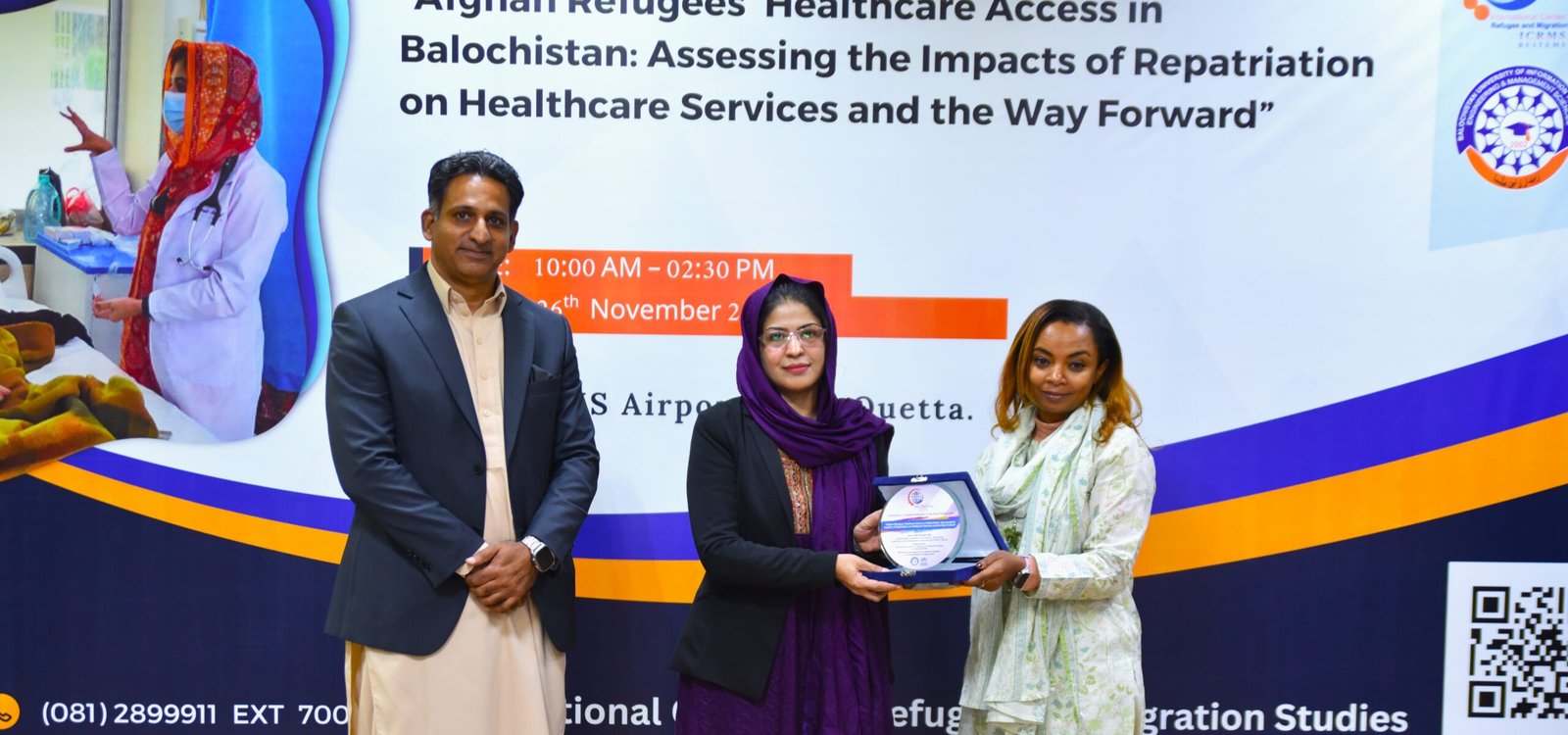
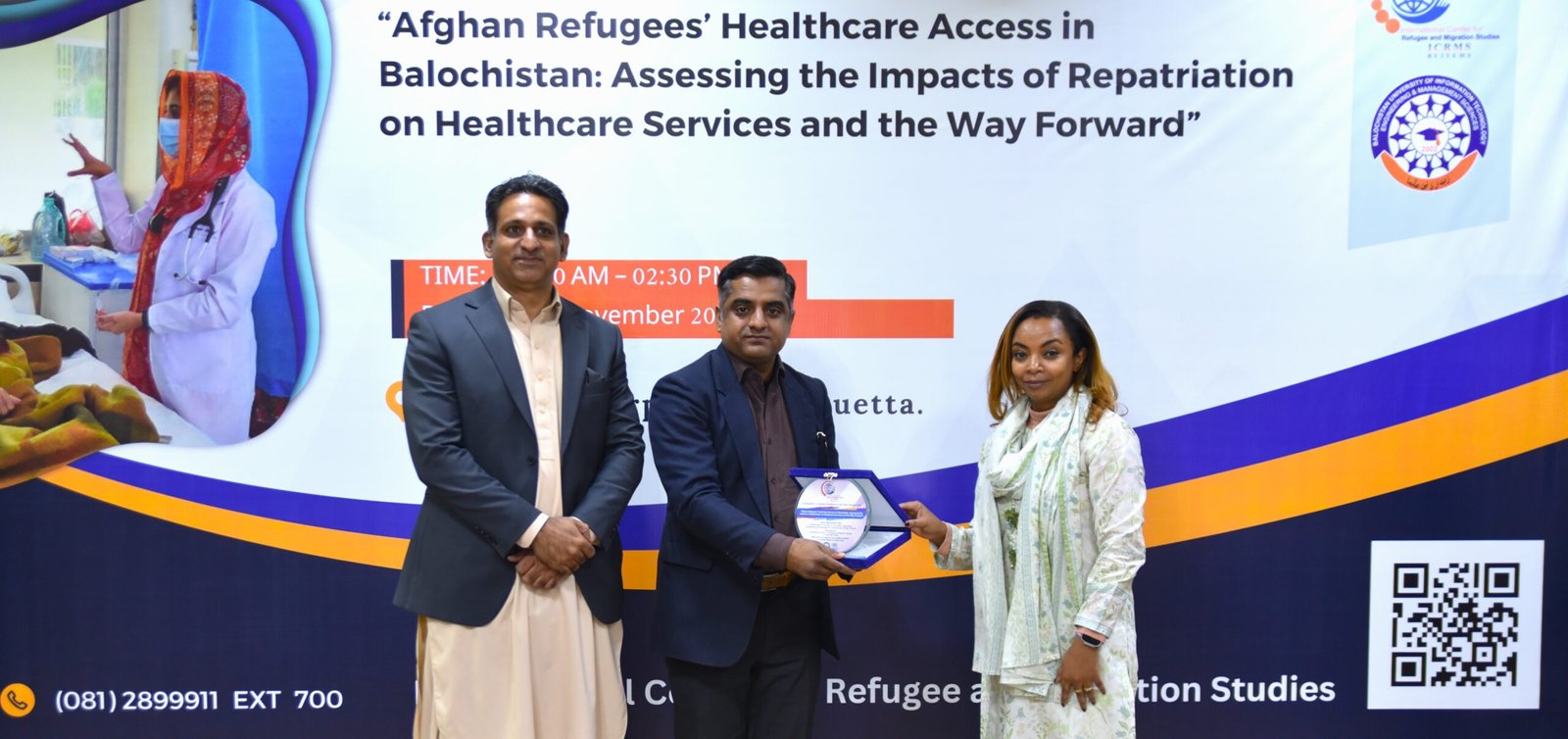
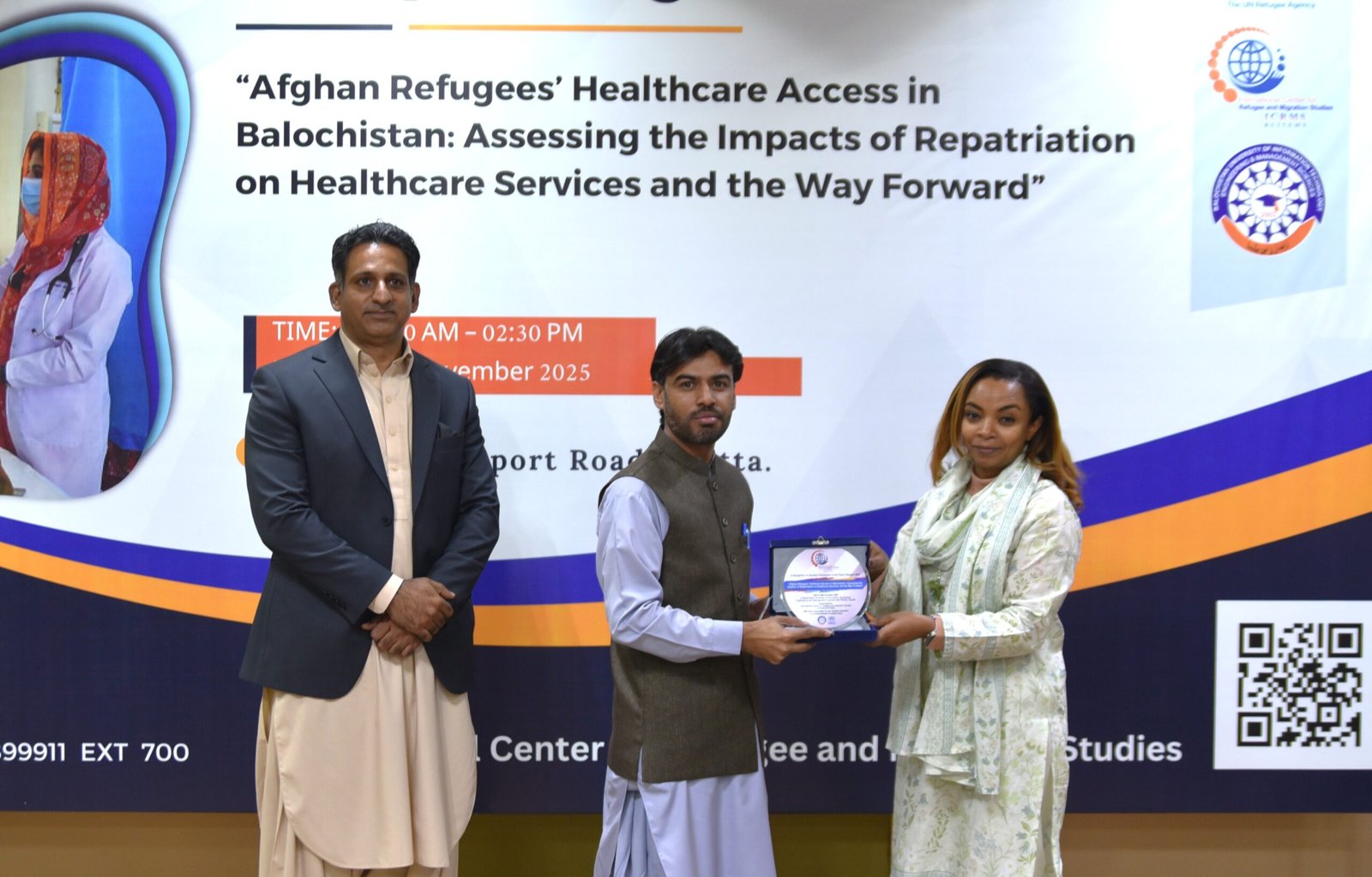
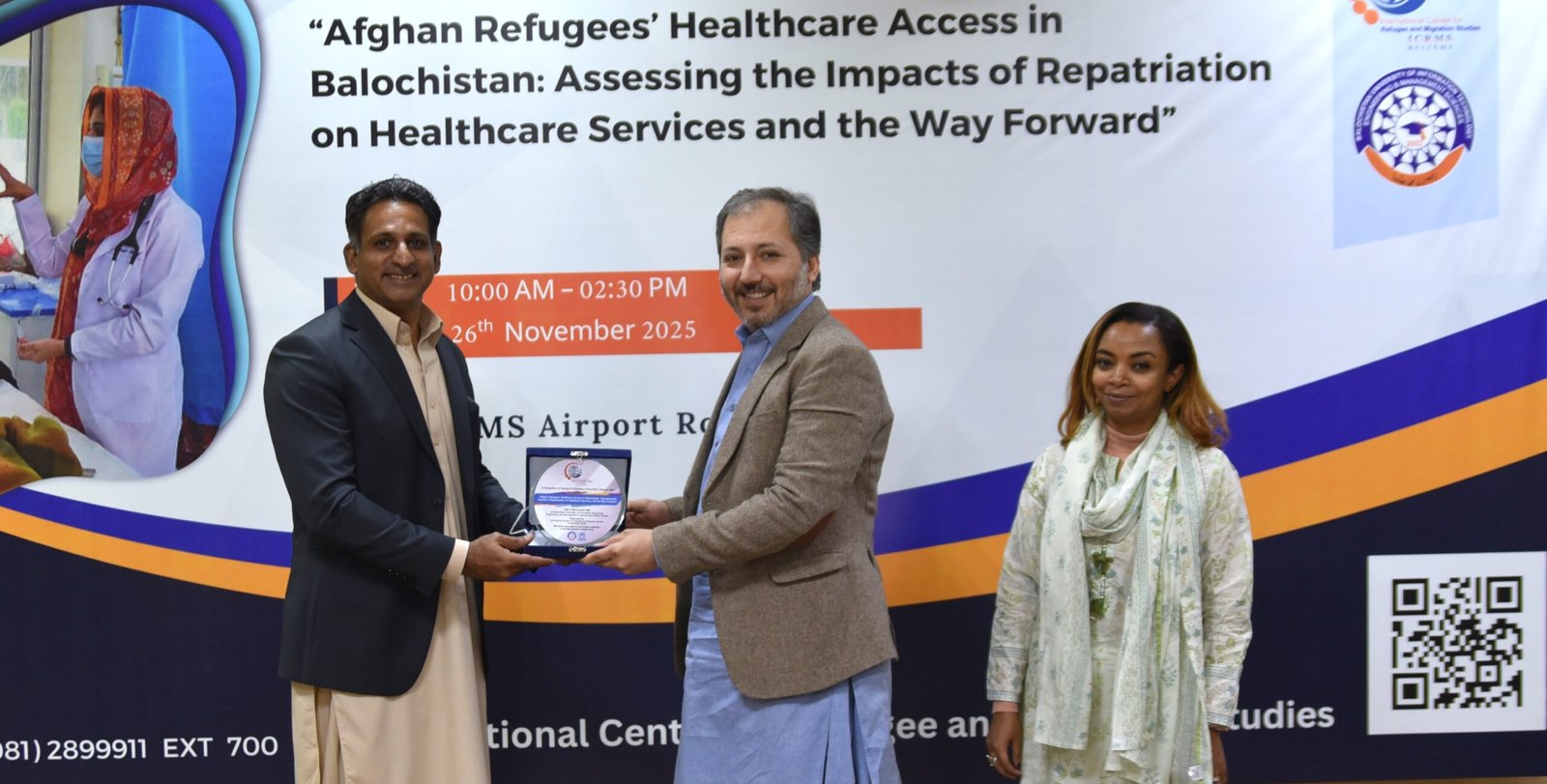
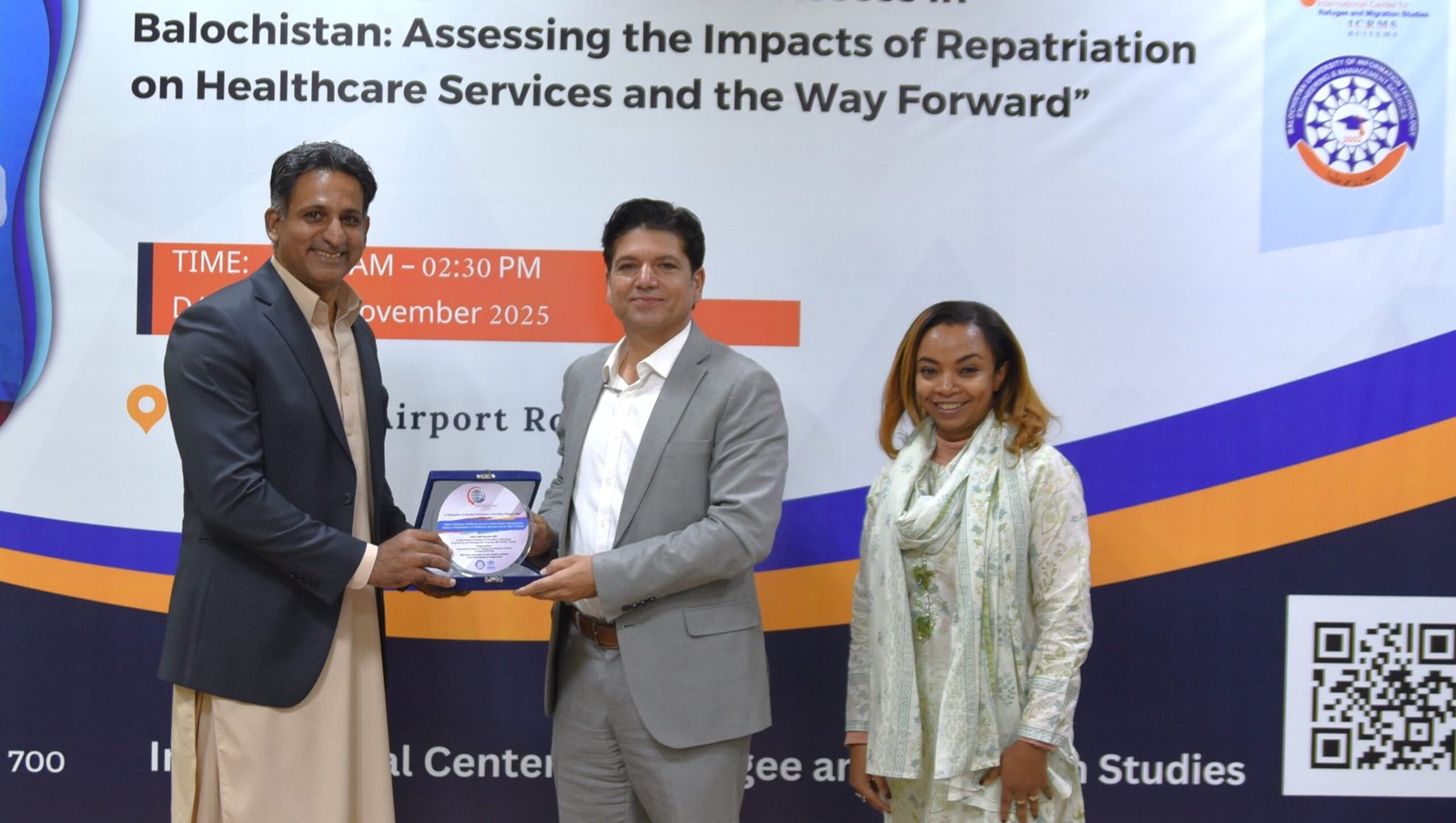
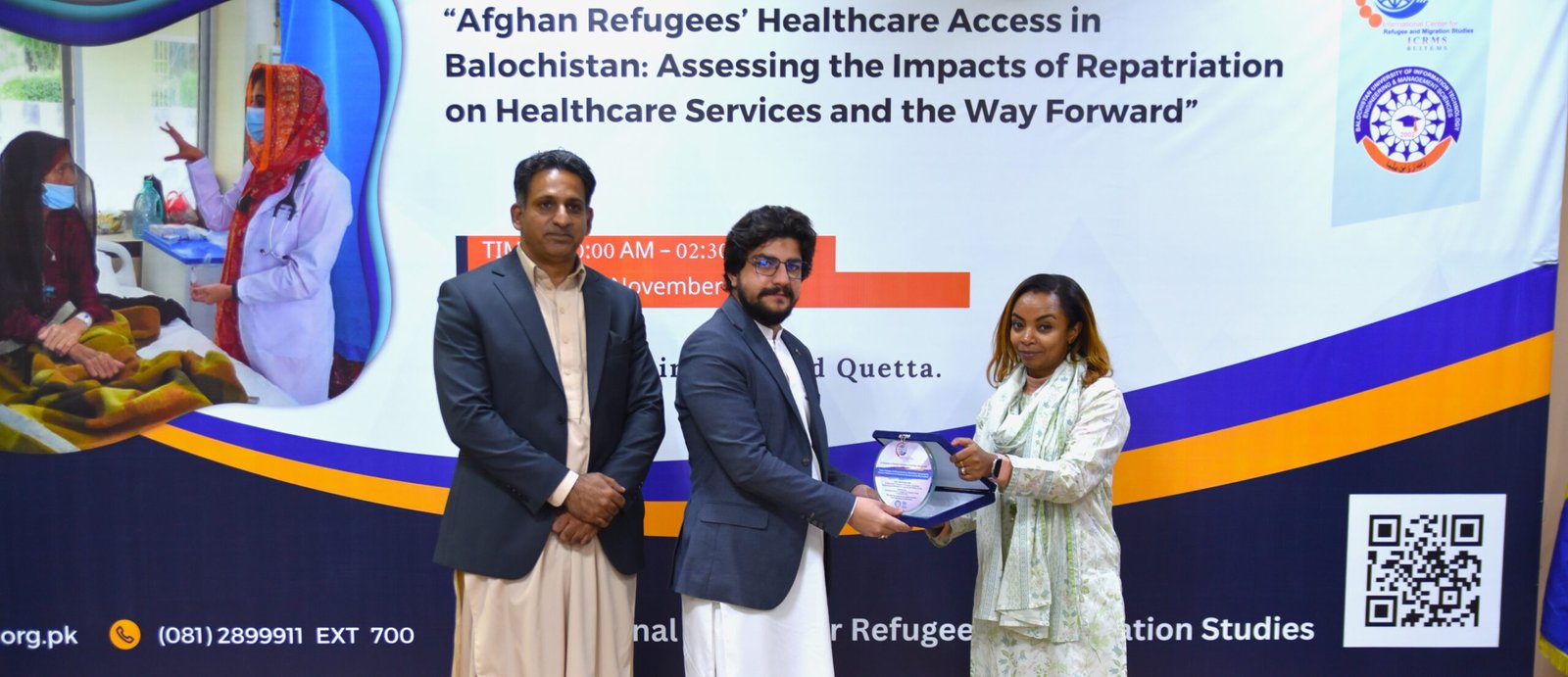
In his concluding remarks, Efratan Gizaw Abebe, Programme Officer, UNHCR, appreciated ICRMS and BUITEMS for convening a timely and critical dialogue. He emphasized that healthcare access must remain a core humanitarian priority during repatriation and reaffirmed UNHCR’s commitment to supporting partners, enhancing service delivery for vulnerable populations, and ensuring that the repatriation process remains protection-sensitive and rights-based.
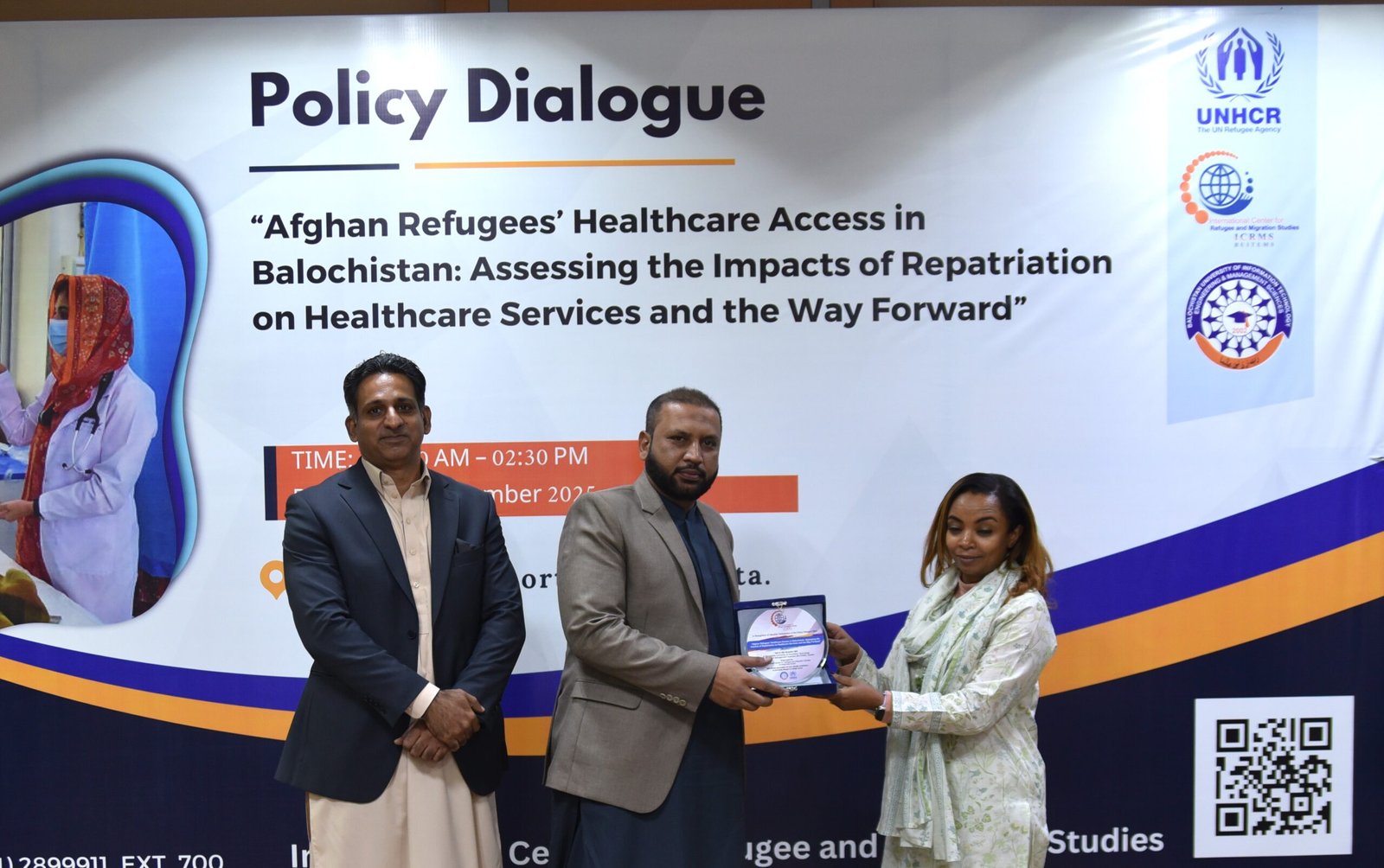
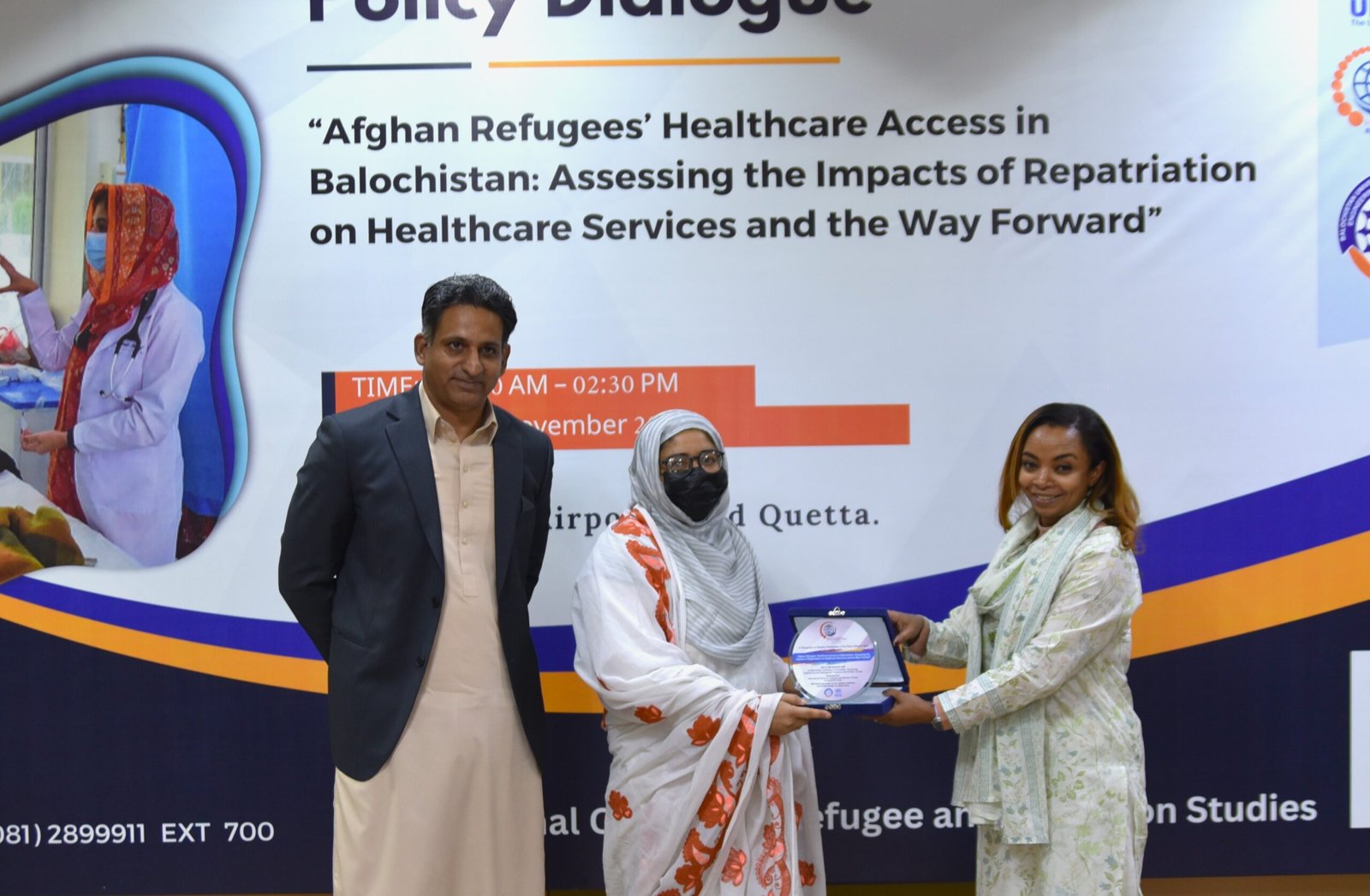
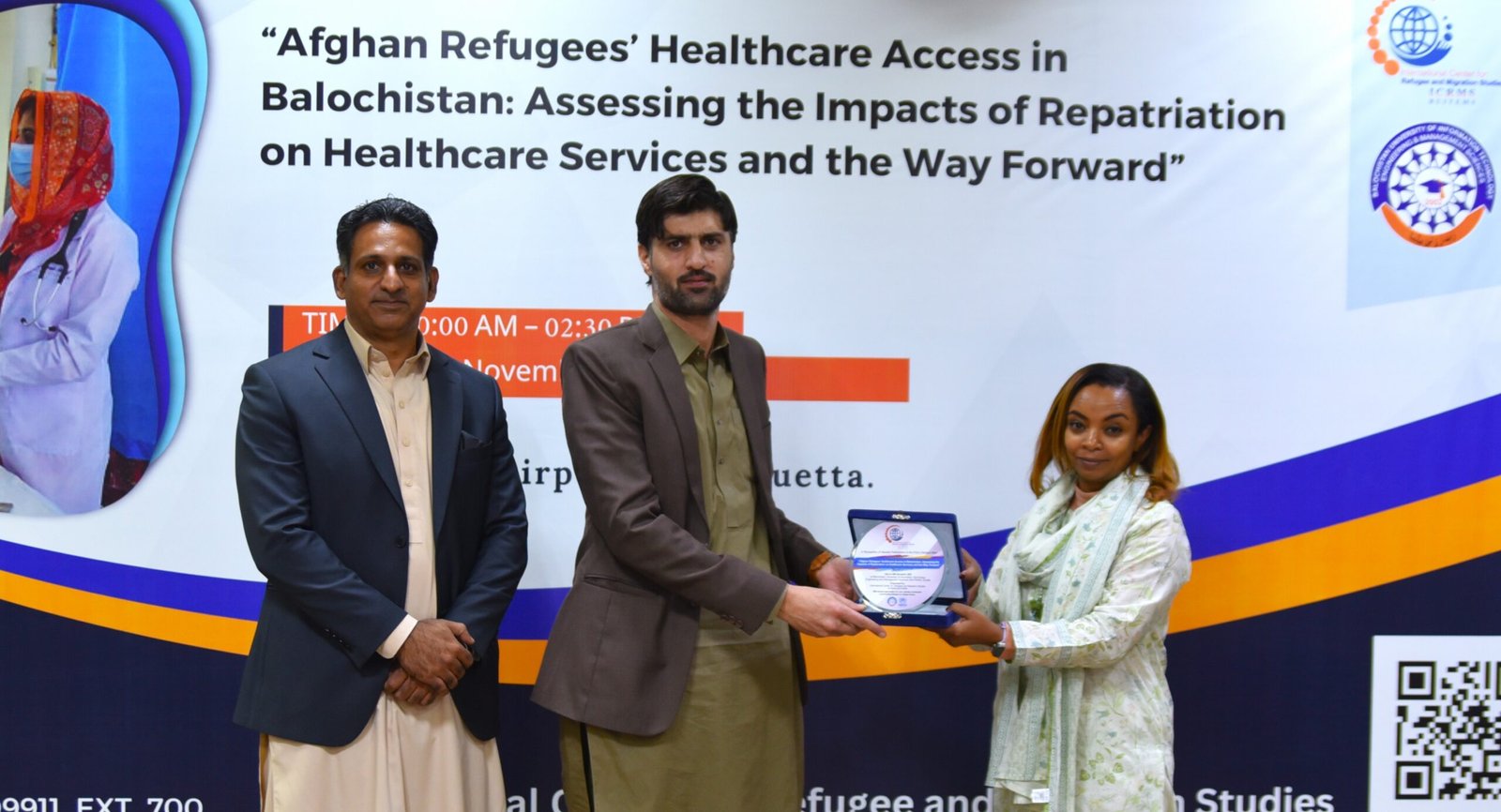
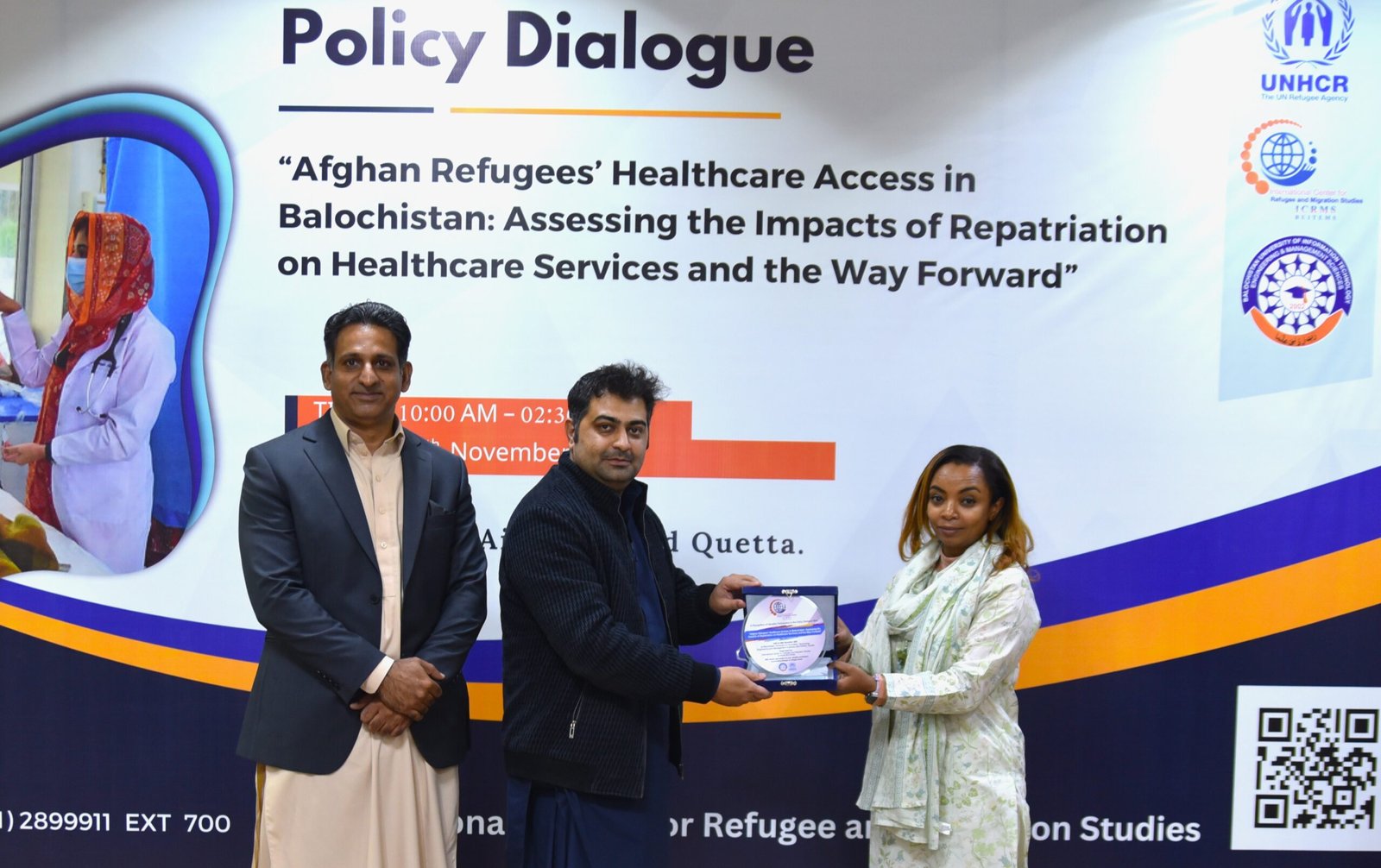
The event concluded with a vote of thanks by Prof. Dr. Zahid Rauf, followed by a group photo session and a networking lunch, fostering further collaboration and dialogue among government, academia, and humanitarian stakeholders on sustainable pathways for refugee inclusion, improved healthcare access, and long-term economic resilience.
Reported by Muhammad Asif
Reporting Associate

