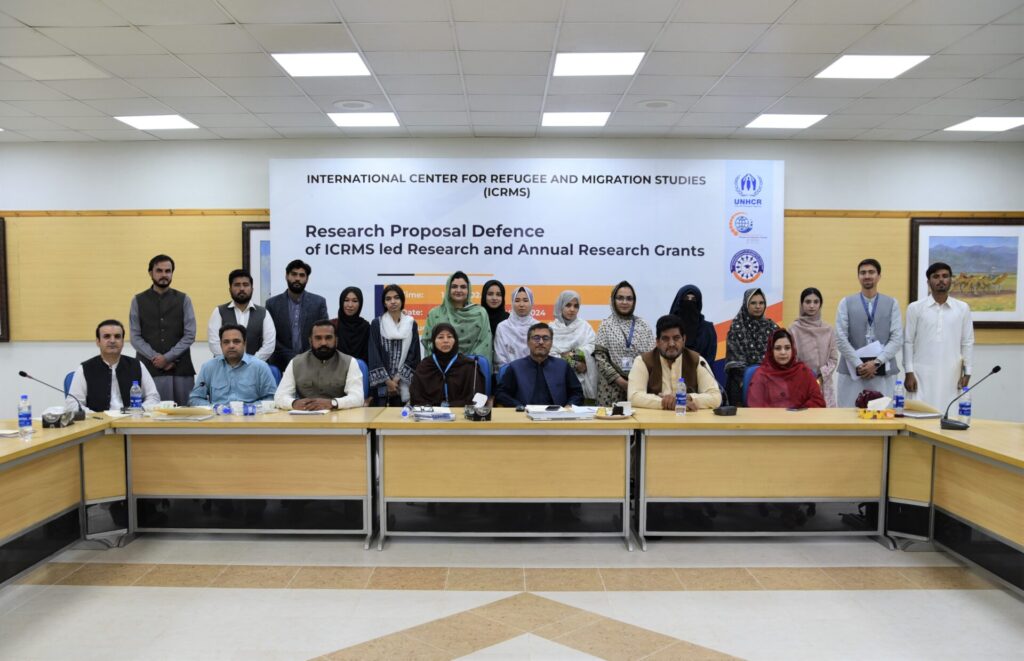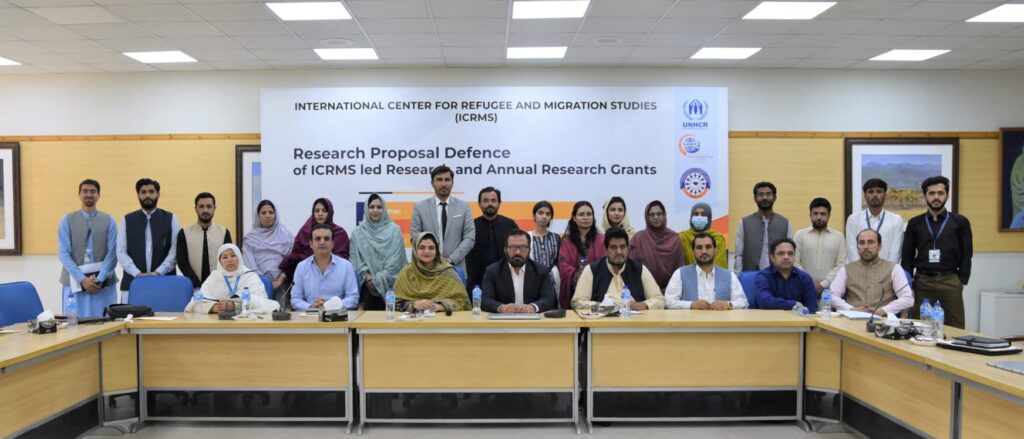
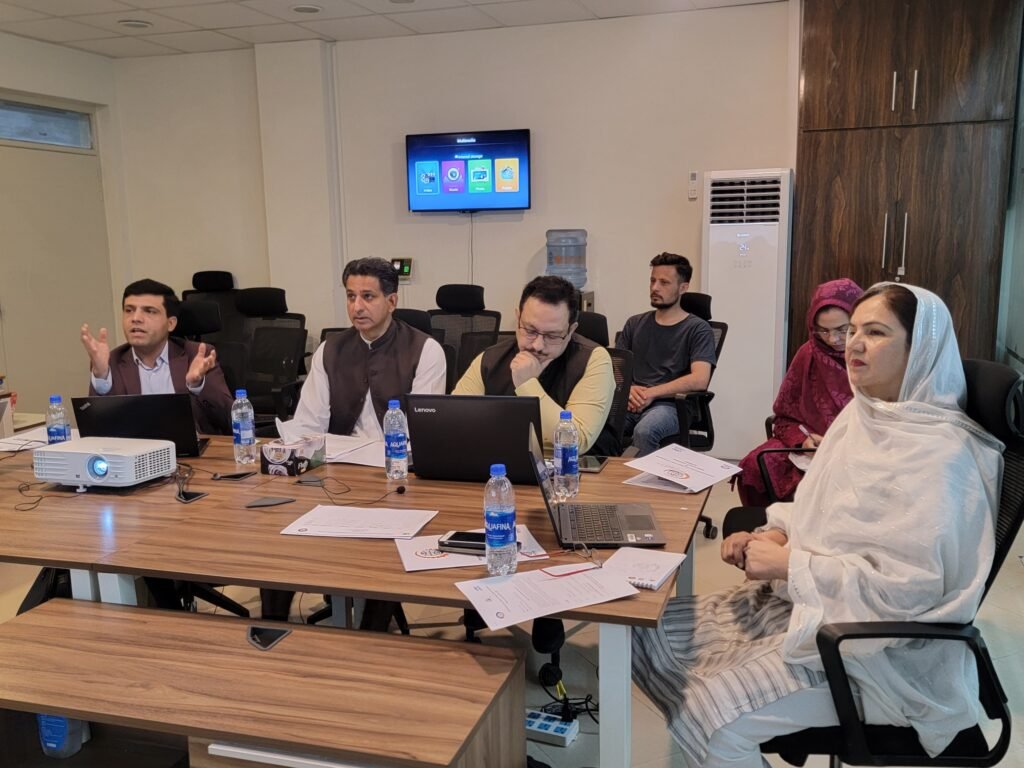
The International Center for Refugee and Migration Studies (ICRMS) organized the Proposal Defence session for applicants who submitted proposals for the ICRMS Research Grants 2026 on May 15 at the ICRMS Office, SS Block A, Balochistan University of Information Technology, Engineering and Management Sciences (BUITEMS), Takatu Campus. The program commenced with participant registration, followed by the recitation of the Holy Quran. This was followed by a round of introductions of participants and ICRMS staff to familiarize attendees with the researchers, evaluators, and members of the organizing team. The event was moderated by Mr. Muhammad Kazim, Liaison Officer at ICRMS.
The event formally began with opening remarks by Dr. Zahid Rauf, Director ICRMS, who provided an overview of the ICRMS Research Grants and highlighted the importance of producing policy-relevant research on ongoing forced migration and repatriation issues in Pakistan. He emphasized that the proposal defence process is designed to ensure that selected projects meet high academic standards while remaining relevant to contemporary humanitarian, forced displacement, and policy challenges.
Ms. Tahira Awan, Senior Protection Assistant at United Nations High Commissioner for Refugees (UNHCR), also addressed the participants and appreciated the initiative for promoting high-quality research and evidence-based analysis on issues affecting Afghan refugees in Pakistan.
A total of three research grants were announced, and under each topic, two applicants were shortlisted. The presentations were evaluated by a distinguished panel of experts, including:
- Dr. Syed Muhammad Nabeel-ul-Haq (Director, Population Research Center, and Assistant Professor, Department of Economics, (BUITEMS).)
- Dr. Uzair Hashmi (Director, Local Quality Enhancement Cell (LQEC), JSPPL, and Assistant Professor, Department of Government and Public Policy, NUST, Islamabad)
- Dr. Aurangzaib Alizai (Chairperson, Assistant Professor, Department of Gender and Development Studies, University of Balochistan)
Ms. Tahira Awan from UNHCR also shared her insights and feedback with the presenters.
Proposal Defence Presentations
Grant 1: Legal Stay, Documentation Reform, and Protection Risks for Vulnerable Afghan Refugees under IFRP Phase-III in Pakistan
The following applicants presented their proposals under the above-mentioned topic:
- Dr. Abdul Samad, Assistant Professor, Department of Management Sciences, University of Loralai (UoL), presented online.
- Dr. Kamran Naeem, Chairperson, Department of Management Sciences and Director, Business Incubation Center, Mir Chakar Khan Rind University, Sibi, Balochistan.
The proposed study focused on legal stay arrangements, documentation reform, and protection risks faced by vulnerable Afghan refugees, including ethnic and religious minorities, women, and students under IFRP Phase-III in Pakistan. The evaluators actively engaged the presenters through detailed questions related to methodology, data collection, and policy relevance, followed by constructive feedback and suggestions to strengthen the research design and analytical depth.
Grant 2: Forced Return of Afghan Refugees and Its Socio-Economic Consequences: Labour Shortages and Structural Impacts on Pakistan’s Economy
The following applicant presented her proposal under the above-mentioned topic:
- Dr. Saima Sarwar, Chairperson, Department of Entrepreneurship, Government College University (GCU), Lahore.
The study examined the socio-economic consequences of Afghan refugee repatriation, with a particular focus on labour shortages and structural impacts on Pakistan’s economy. The evaluators engaged in a comprehensive question-and-answer session focusing on economic modelling, labour market dynamics, and policy implications. Suggestions were provided to enhance empirical grounding and strengthen analytical clarity. The discussion also highlighted emerging concerns regarding post-2023 repatriation pressures, including gendered impacts and shifts in labour market structures.
Grant 3: Non-Refoulement, Legal Status, and Protection Gaps: Examining Pakistan’s Compliance with International and National Refugee Law in the Context of Afghan Refugees
The following applicants presented their proposals under the above-mentioned topic:
- Dr. Aurangzaib Alamgeer, Dean, Faculty of Social Sciences and Humanities and Professor, Department of International Relations, BUITEMS.
- Dr. Hidayat Ullah Khan, Assistant Professor, Department of International Relations, BUITEMS.
The study focused on principles of non-refoulement, legal status, and protection gaps while assessing Pakistan’s compliance with international refugee law under IFRP Phase-III. It further explored the protection challenges faced by Afghan refugees in Quetta and Chaman, Balochistan.
The evaluators engaged the presenters in a detailed discussion, raising topic-specific questions on legal frameworks, international obligations, and field-level realities. Constructive feedback was provided to refine the legal analysis and enhance comparative perspectives.
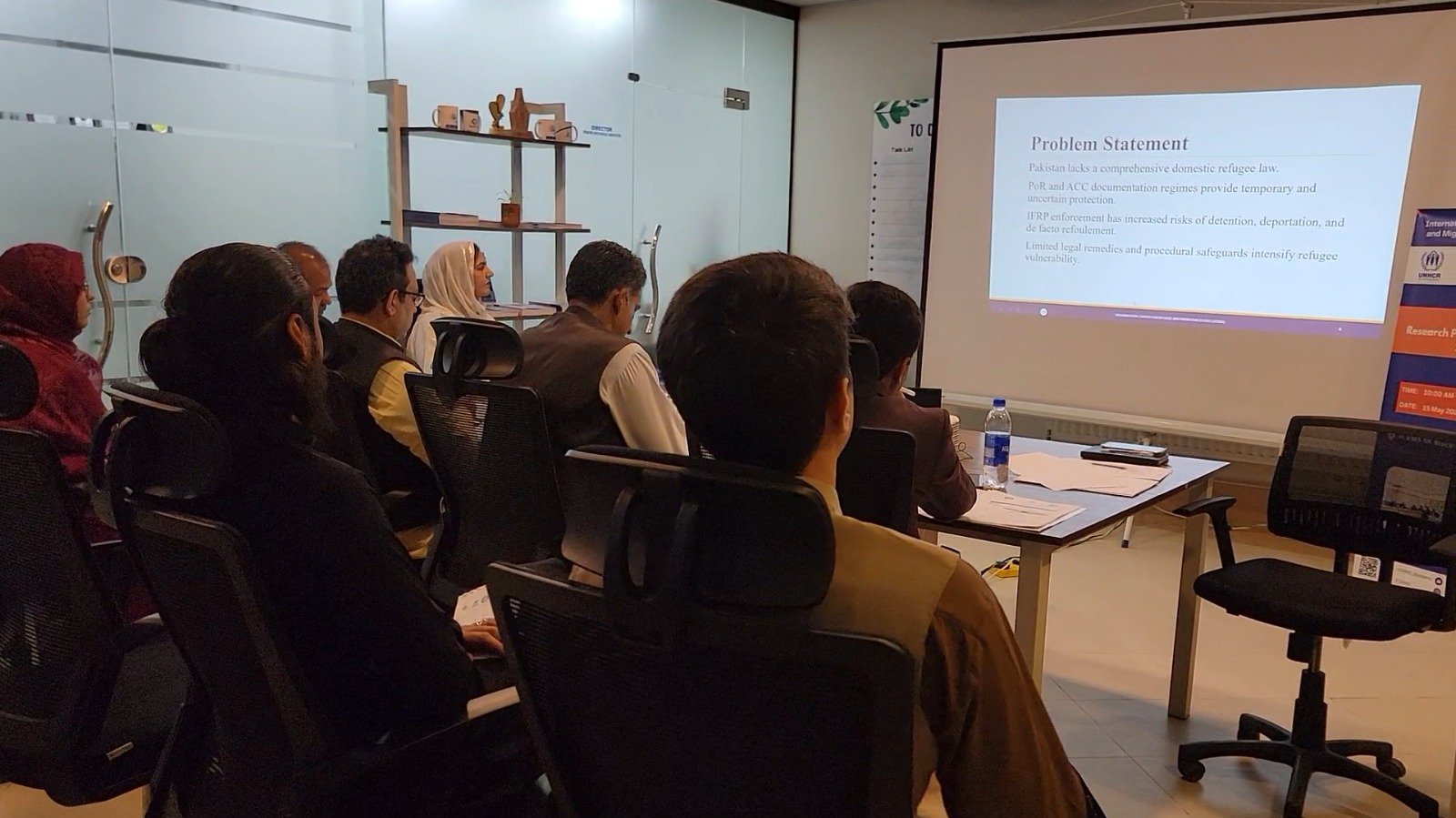
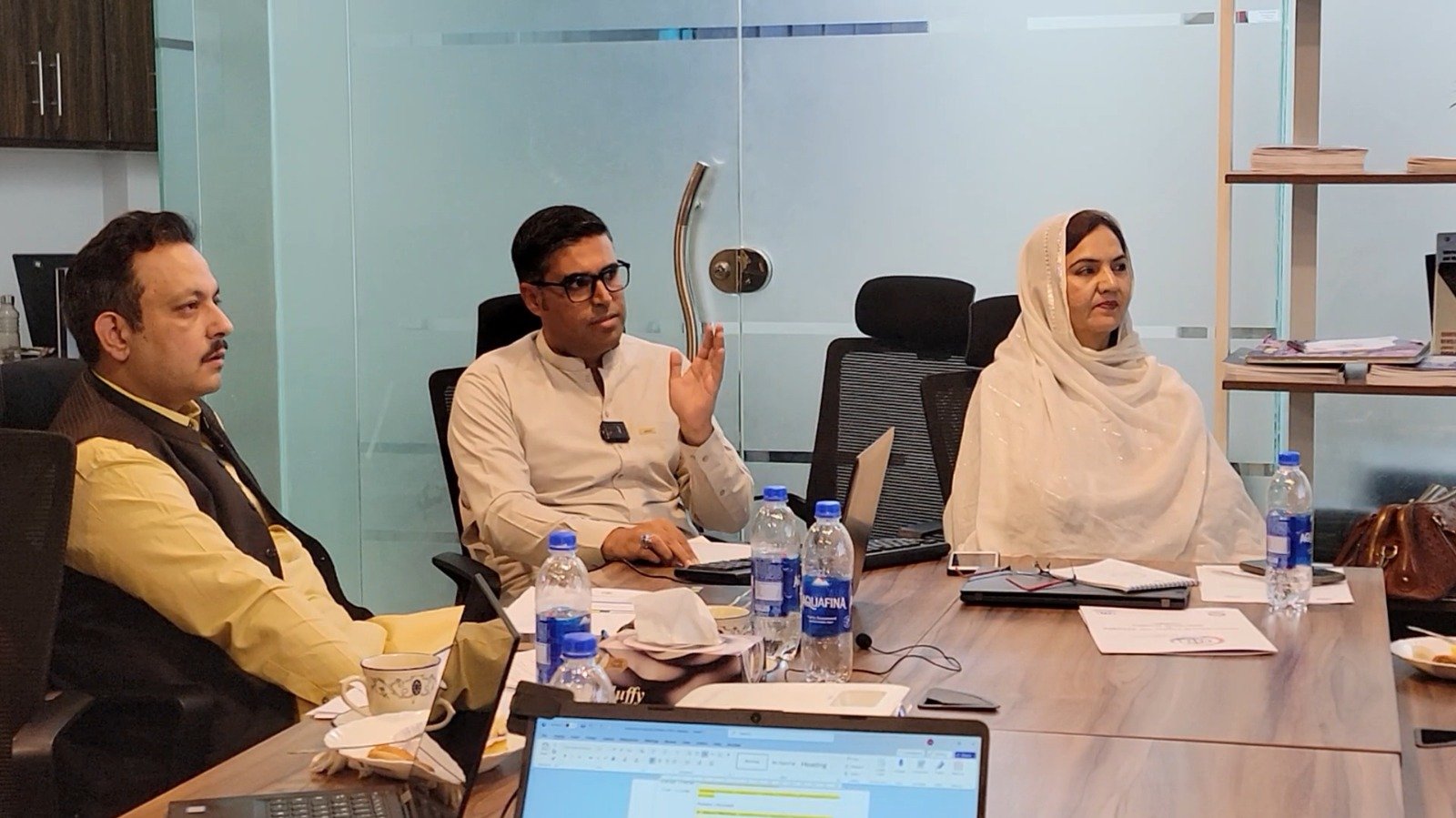
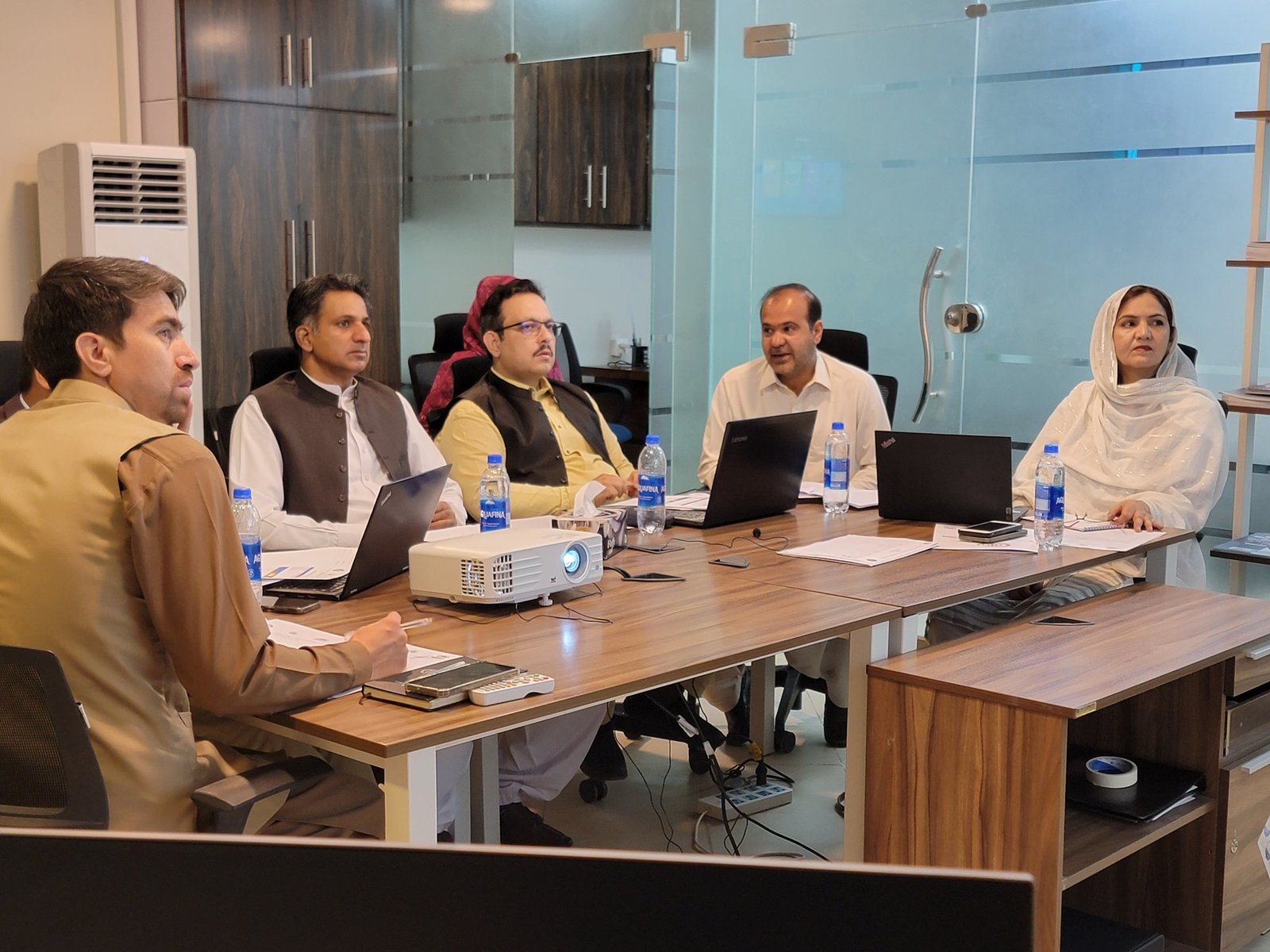
Each presenter was allocated 12 minutes for the presentation, followed by an 8-minute question-and-answer session. The evaluators actively assessed the proposals through targeted questions aimed at evaluating research design, methodological rigour, analytical framework, and policy relevance. Constructive feedback and recommendations were provided to enhance the overall quality and feasibility of the proposed studies. The evaluators will continue to supervise the selected research projects until their completion.
The event concluded with closing remarks by Dr. Zahid Rauf, Director ICRMS, who thanked the evaluators, researchers, and representatives of UNHCR for their valuable support and active participation. He further stated that the final shortlisting of grants recipients would be completed after the consolidation and review of evaluators’ scores based on both the written proposals and presentations.
Reported by Muhammad Asif
Reporting Associate