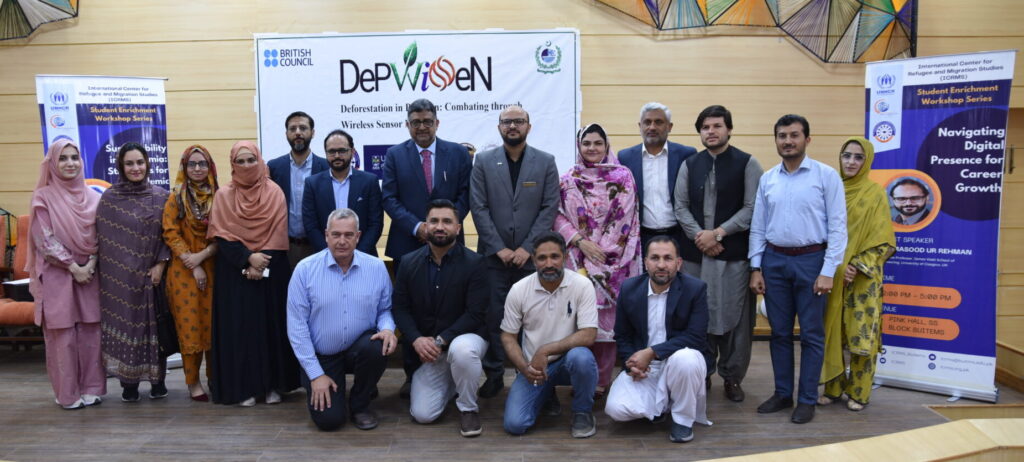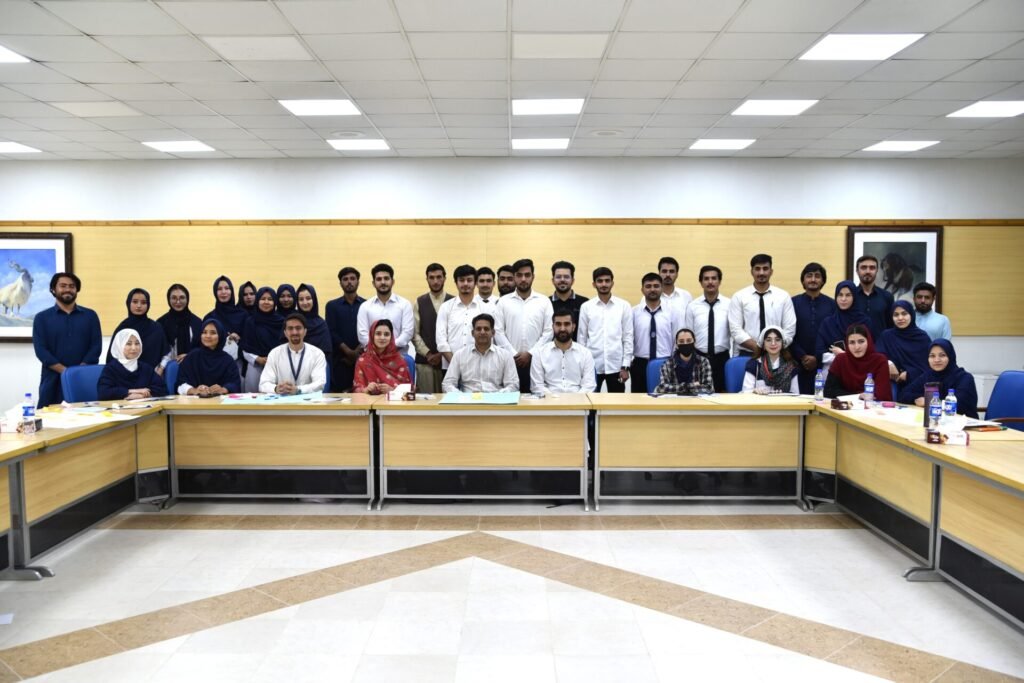
The International Center for Refugee and Migration Studies (ICRMS)-BUITEMS, successfully organized its first session of capacity-building and enrichment workshop series titled “Social Responsibility, Leadership, and Professional Development” on April 30, 2026, at BUITEMS. The workshop was designed to strengthen the capacities of refugee and host students by enhancing their understanding of social responsibility, leadership, and professional development while promoting inclusive learning, collaboration, and youth empowerment.
The event commenced with the formal opening with the recitation of the Holy Quran and the ICRMS introductory video. The video highlighted ICRMS’s mission, institutional achievements, and its ongoing commitment to education, research, and refugee-host community engagement.
Mr. Muhammad Kazim, Liaison Officer, ICRMS, hosted the event, guided participants throughout the program, and delivered the opening remarks along with the workshop briefing. He warmly welcomed all participants and emphasized the importance of student focused capacity-building initiatives in nurturing socially responsible, professionally competent, and community oriented future leaders.
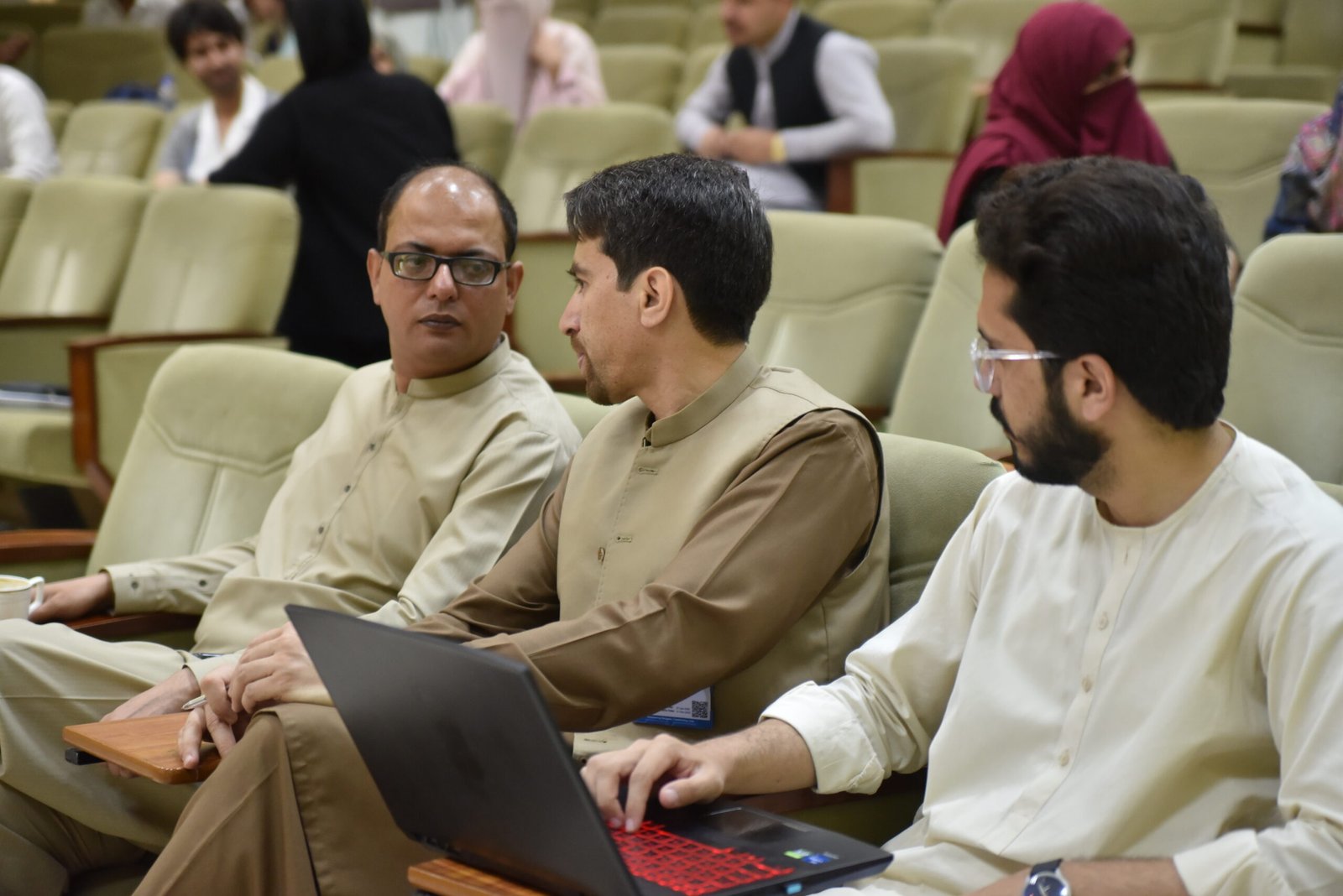
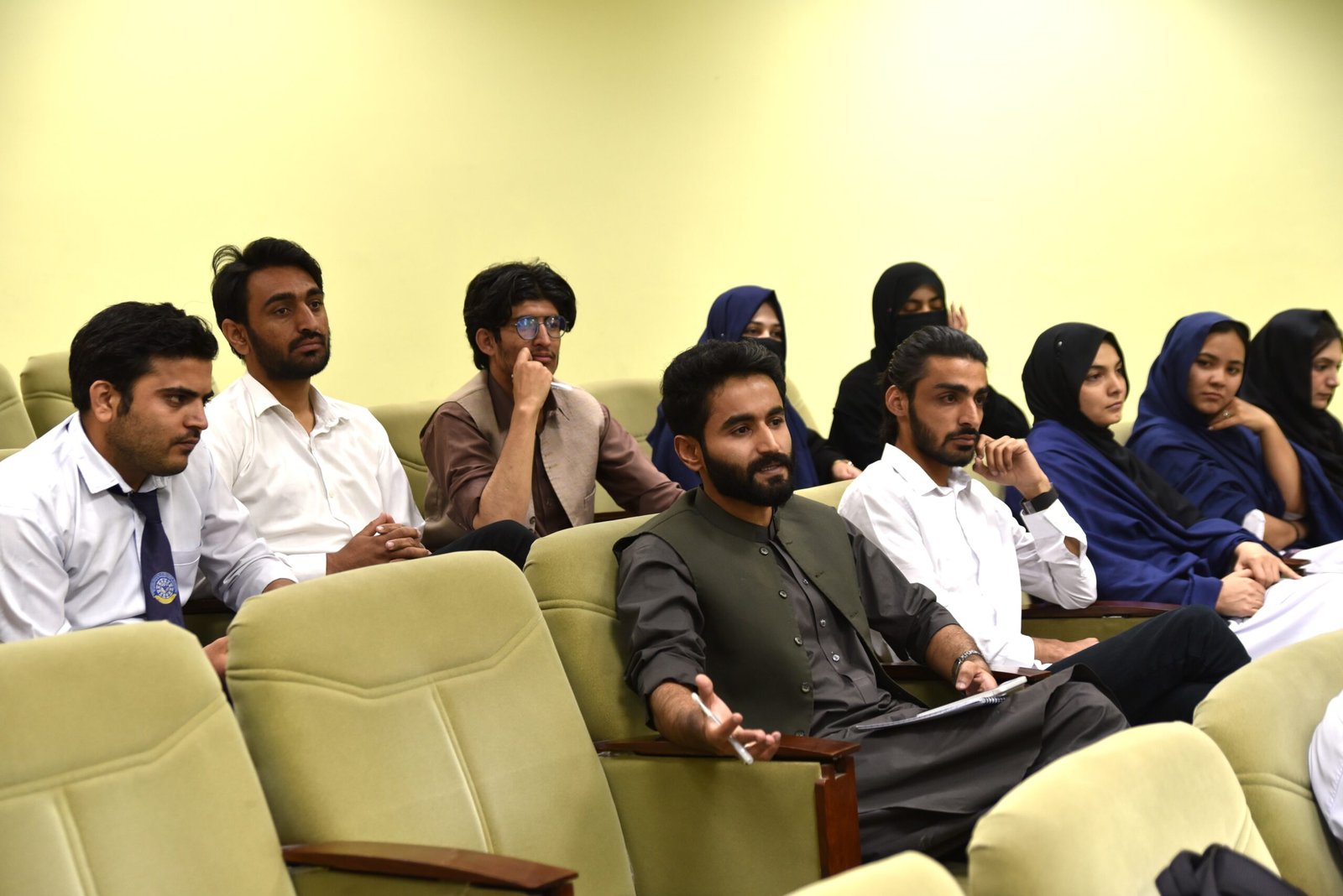
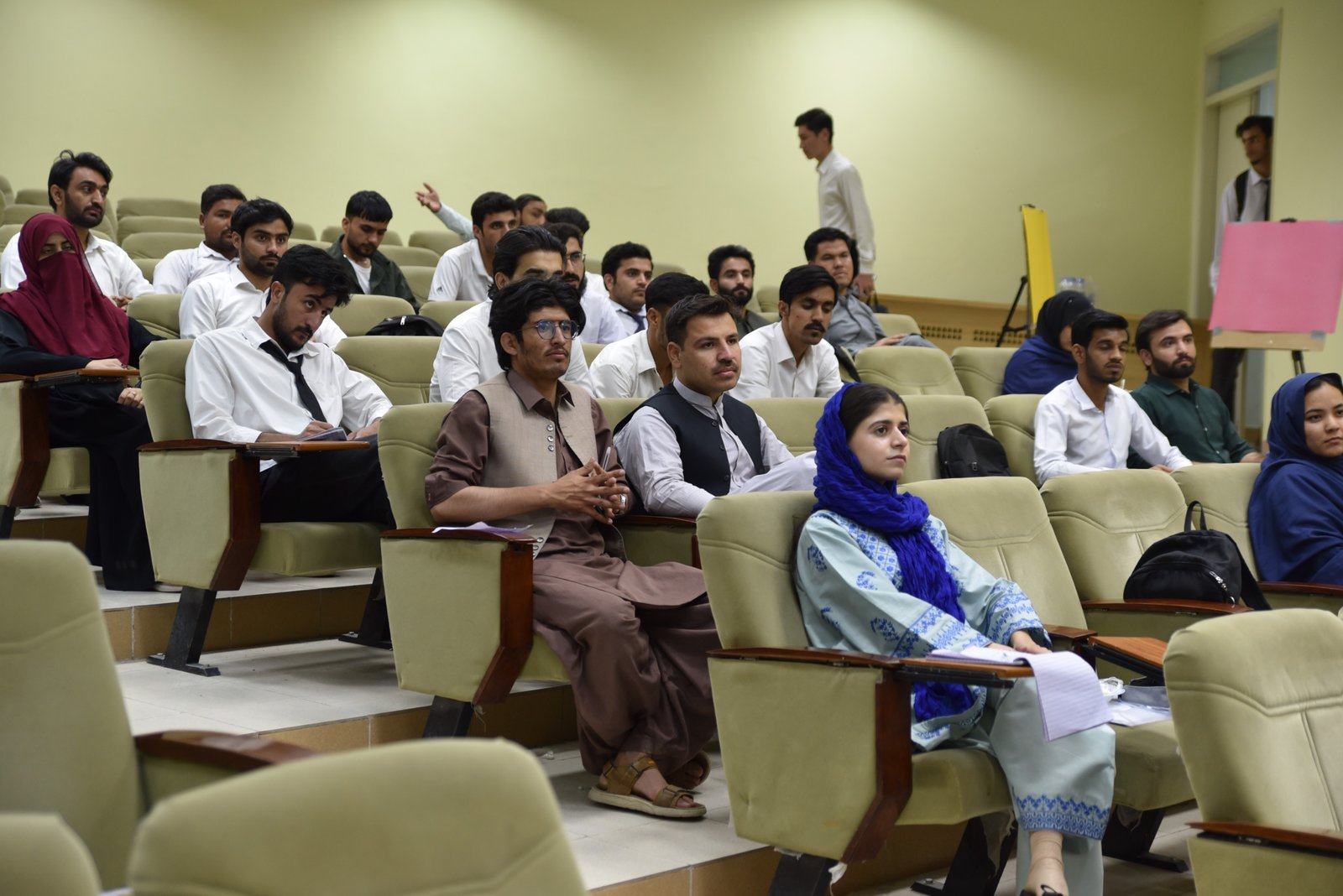
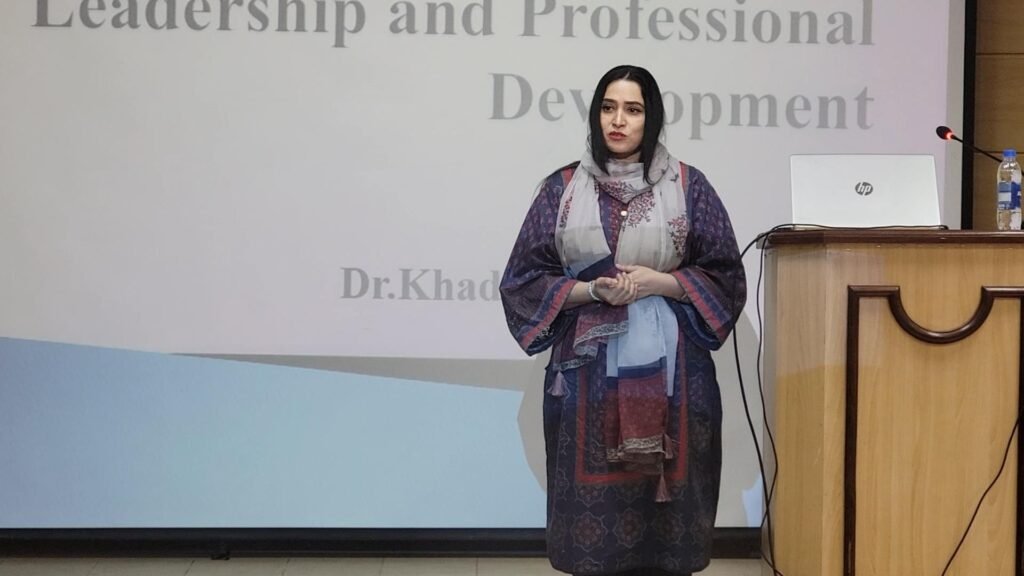
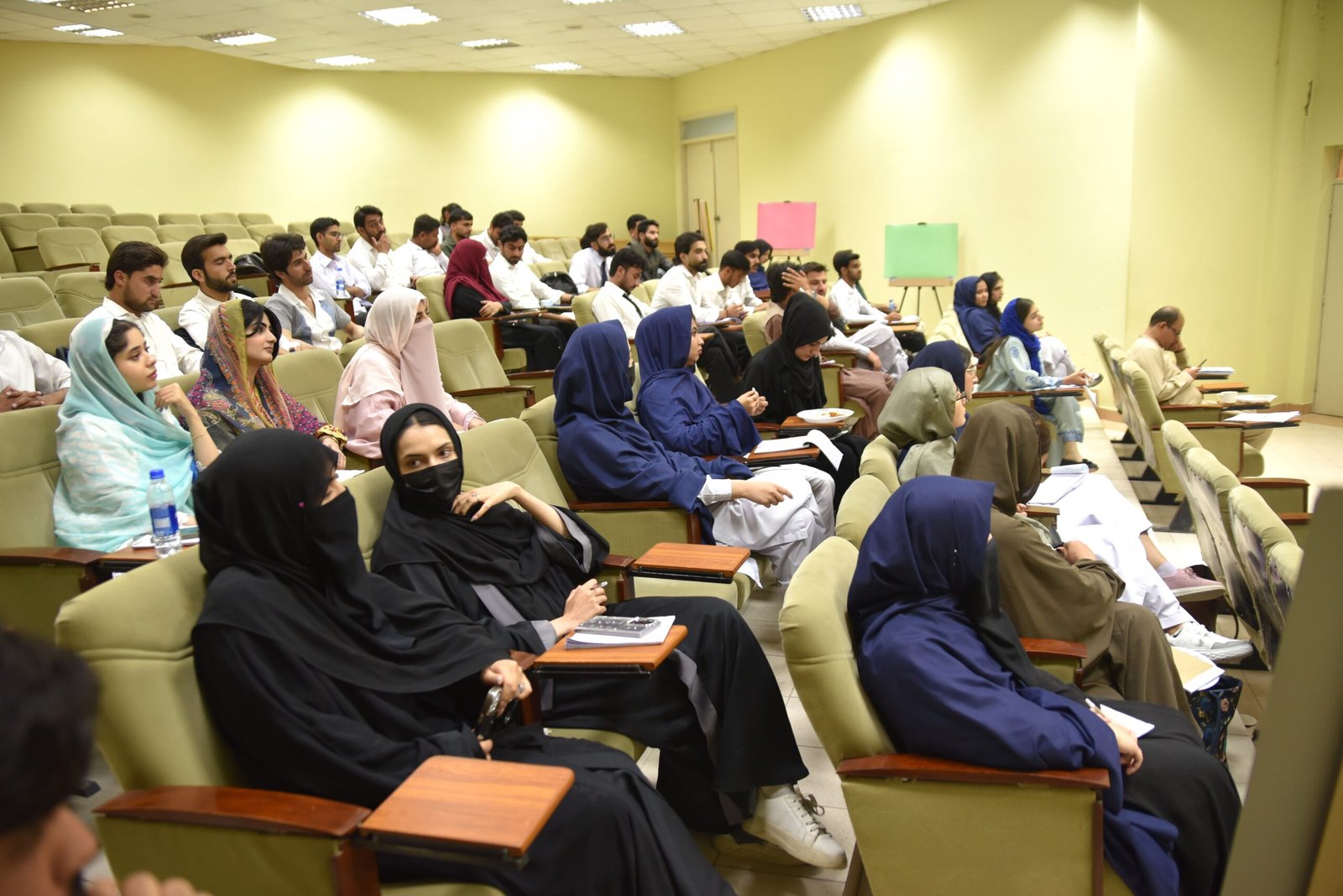
The technical session of the workshop was delivered by Dr. Khadija Jaffar, Lecturer Education Department, BUITEMS and Education Specialist who facilitated an engaging and insightful workshop on the interconnected themes of social responsibility, leadership, and professional development. She explained that social responsibility is the duty of every individual to contribute positively to society and the environment through ethical actions, awareness, and active citizenship. She further described community development as a participatory and inclusive process through which individuals identify societal needs, recognize strengths, and collaboratively work to improve social, economic, and cultural well-being. Her session also introduced participants to multiple leadership styles, including democratic, autocratic, transformational, strategic, and situational leadership, enabling students to understand how leadership approaches can be adapted according to different challenges and contexts.
A major strength of the workshop was its interactive and experiential learning methodology. Through activities such as “Values in Action,” “Step into Leadership,” and the Balloon activity, students reflected on personal values, leadership qualities, social responsibility, and the importance of knowledge, skills, and attitude as essential components of holistic personal and professional growth. These practical exercises encouraged teamwork, peer learning, and stronger interaction between refugee and host students while creating a dynamic and engaging educational environment.
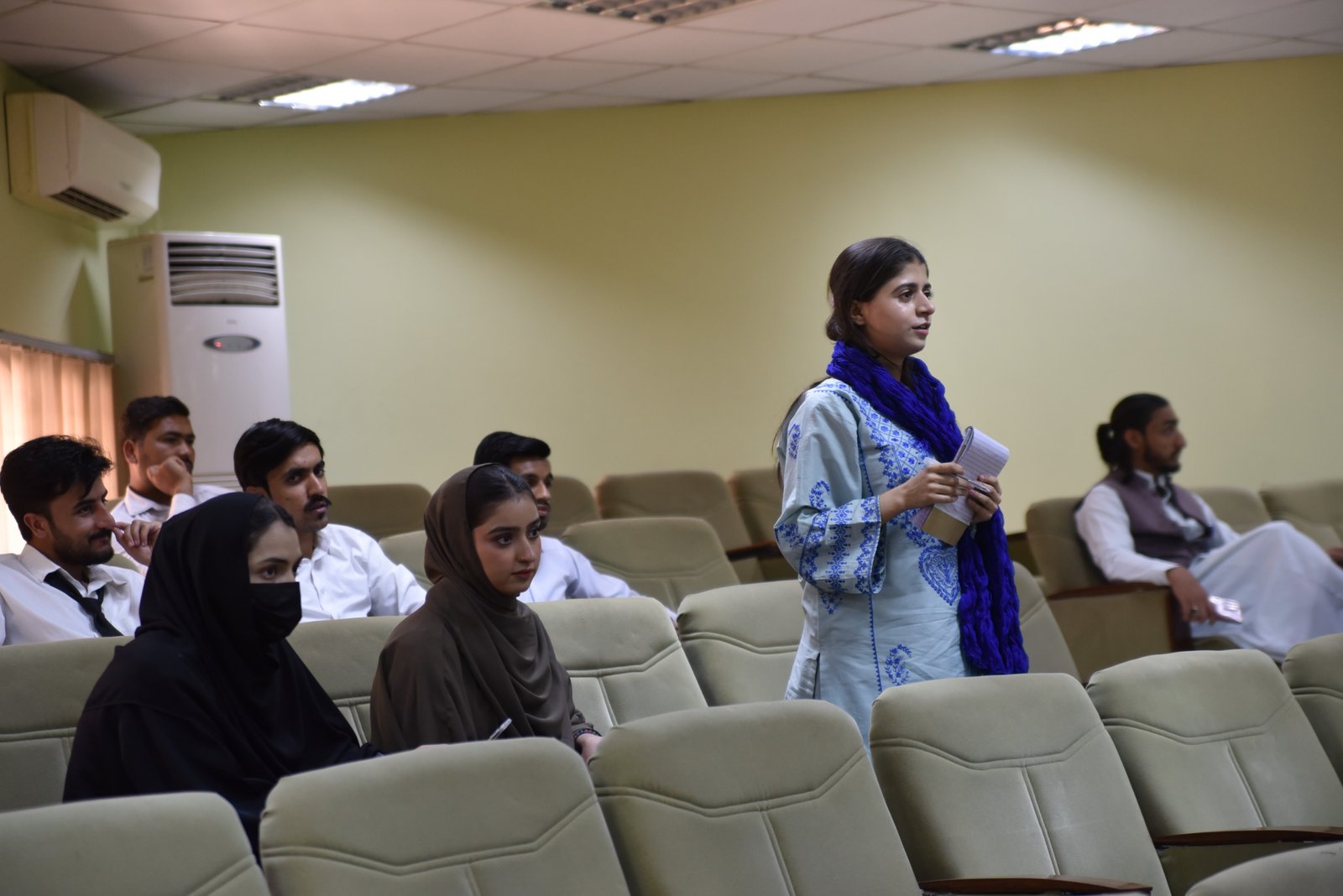
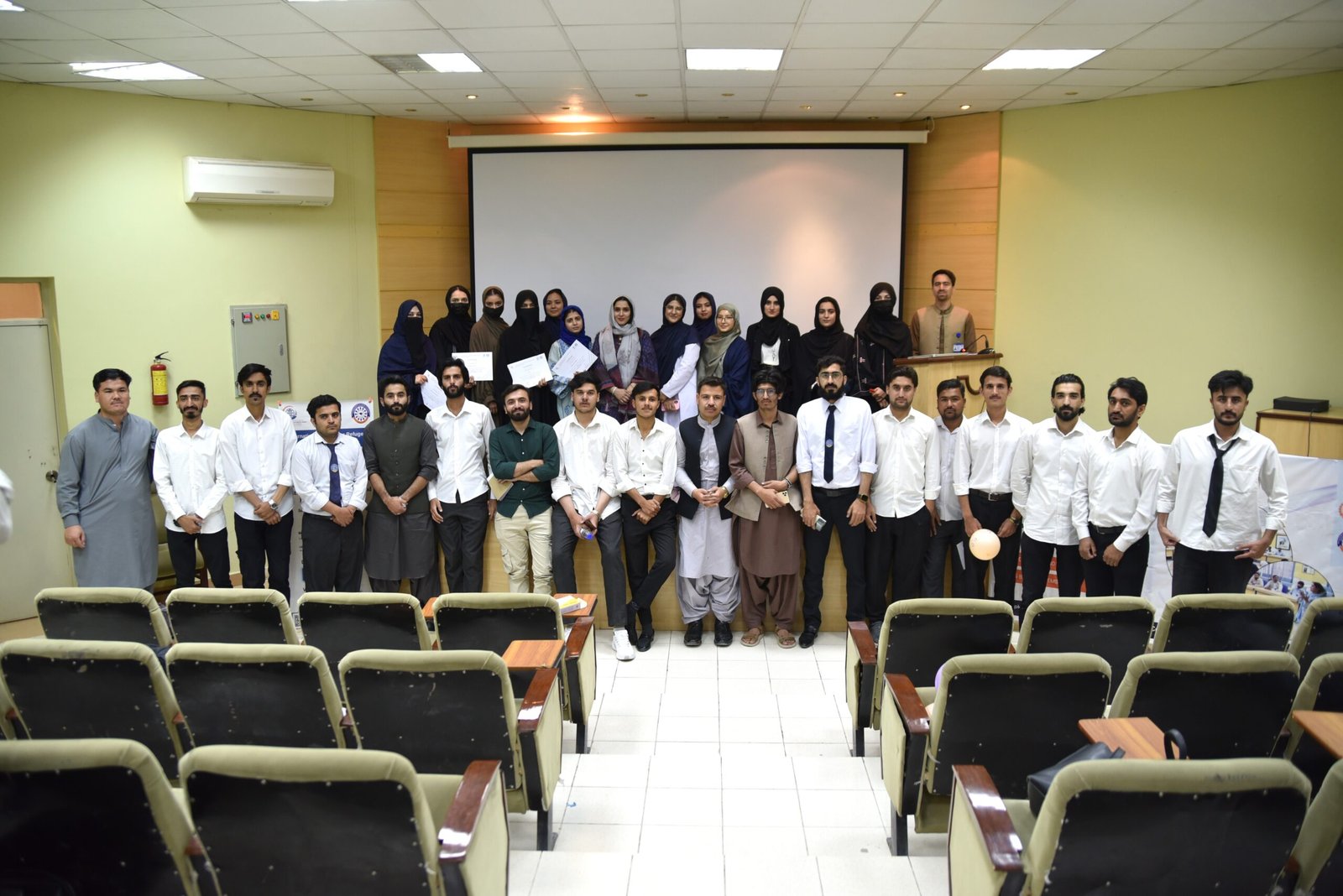
A total of 65 students, along with ICRMS staff, participated in the workshop, including both refugee and host community students. Among them, 40 were male students and 25 were female students, reflecting strong and inclusive participation from diverse student groups. The workshop provided an important platform for participants to engage in meaningful discussions, collaborative learning, and practical activities focused on personal growth and community development. Participant reflections and feedback highlighted the workshop’s positive impact on their personal and academic development. Students expressed appreciation for the opportunity to develop new perspectives on leadership, understand their responsibilities toward society, and strengthen their commitment to personal and professional excellence.
The event concluded with a certificate distribution ceremony, in which participating students were awarded certificates in recognition of their active participation and successful completion of the workshop. Overall, the workshop provided students with practical knowledge, leadership exposure, and professional insight while reinforcing ICRMS’s commitment to fostering inclusive educational opportunities, empowering youth, and building socially responsible future leaders capable of making meaningful contributions to their communities.
Reported by Muhammad Asif
Reporting Associate